Image of Jean Lebris

Merveilleux-scientifique

Club Merveilleux-scientifique
Total Entries 7
Representative Jean Lebris
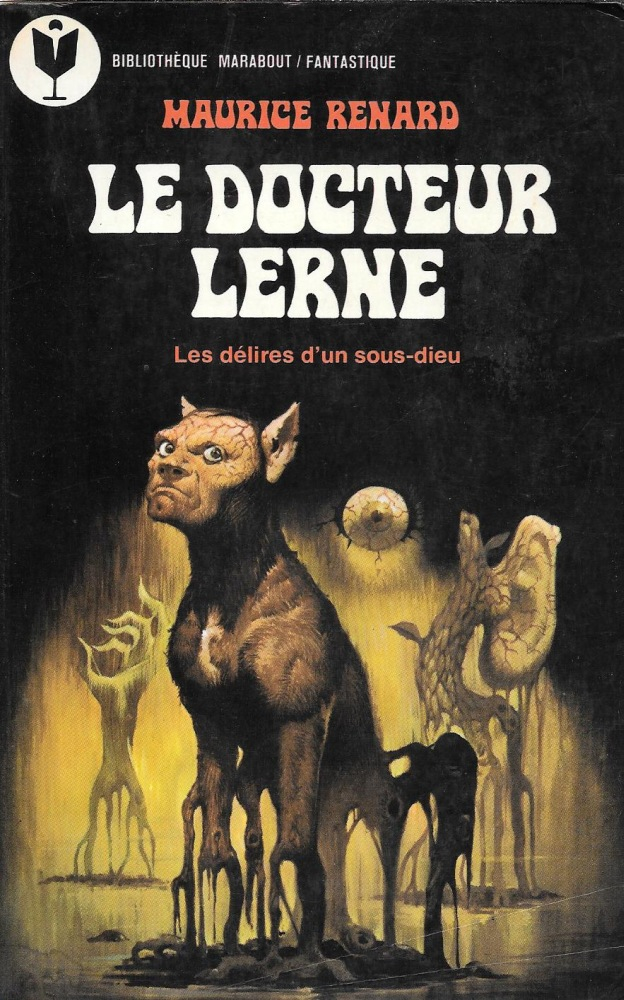
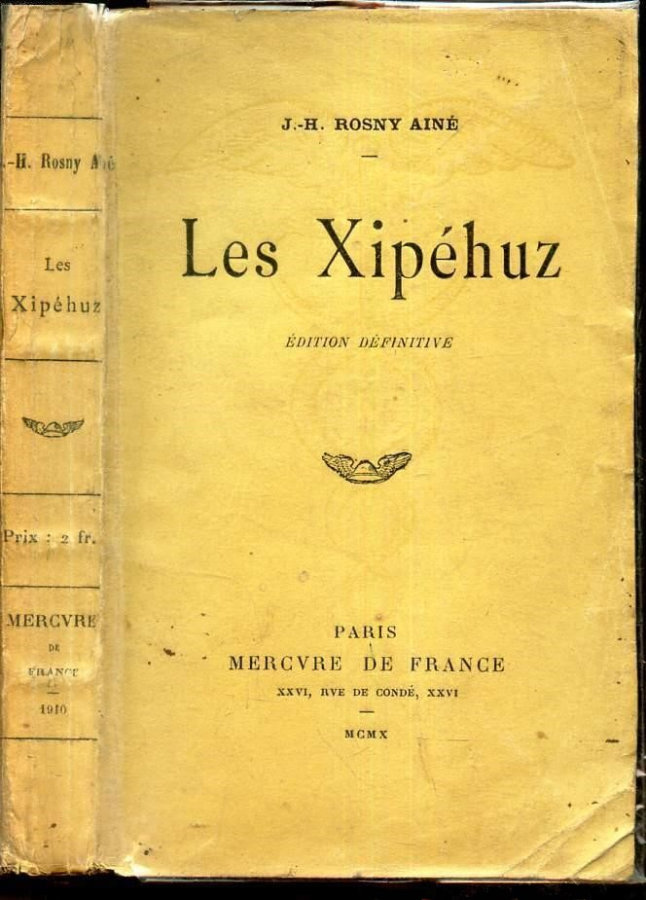
Le docteur Lerne, sous-dieu (1908), or “Dr Lerne, Demi-God”, was a celebrated novel by Maurice Renard, hailed by the poet Guillaume Apollinaire as a “subdivine novel of metamorphoses”. Published in English as New Bodies for Old, it heralded the dawn of a new French literary genre – one that ventured boldly into the uncertain and the unknown. Renard called it “merveilleux-scientifique” (“scientific-marvellous”) and its ambition was to help the reader speculate on what could be, and on what exists beyond the reach of our senses, rather than what will be. In other words, allowing a better understanding of what Renard poetically called “the imminent threats of the possible”. As he wrote in 1914, the goal was to “patrol the margins of certainty, not to acquire knowledge of the future, but to gain a greater understanding of the present”. Rejecting the “scientific adventure” storytelling of the celebrated French sci-fi writer Jules Verne – who had died only three years before the publication of Le docteur Lerne, sous-dieu – the merveilleux-scientifique genre was grounded in plausibility and the scientific method. According to Renard, only one physical, chemical or biological law may be altered when telling a story. This strict discipline, he argued, is what lent the genre its power to sharpen the reader’s mind, by offering a wholly original kind of thought experiment. ~ Merveilleux-scientifique — Aeon.co
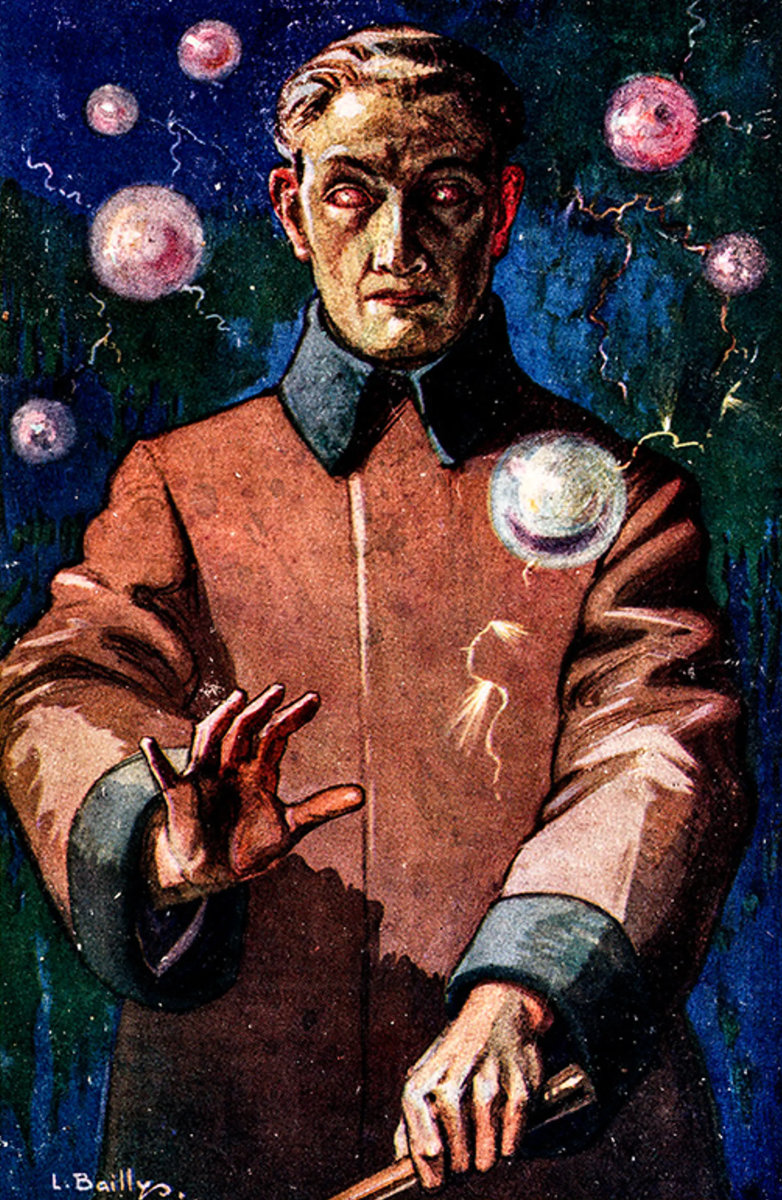
L'Homme Truqué by Maurice Renard (1923, Éditions Pierre Lafitte) | L. Baillys

L’Homme Truqué by Maurice Renard (1923, Éditions Pierre Lafitte) | L. Baillys
Quick View

Dr. Lerne

Image of Dr. Lerne
Category Dr. Lerne
Includes 

When Nicolas Vermont entered the greenhouse, he would make a gruesome discovery. It was the early 20th century in rural France, and Nicolas was visiting his uncle – a scientist and surgeon called Dr. Frédéric […]

Entry Dr. Lerne
Description 

When Nicolas Vermont entered the greenhouse, he would make a gruesome discovery. It was the early 20th century in rural France, and Nicolas was visiting his uncle – a scientist and surgeon called Dr. Frédéric […]

Quick View

Jean Lebris

Image of Jean Lebris
Category Jean Lebris
Includes 

In L’homme truqué (1921) by Maurice Renard, the prisoner of a mad German scientist is subjected to terrible experiments that give him the ability to see electricity. Alias Jean Lebris Real Names/Alt Names Jean Lebris, […]

Entry Jean Lebris
Description 

In L’homme truqué (1921) by Maurice Renard, the prisoner of a mad German scientist is subjected to terrible experiments that give him the ability to see electricity. Alias Jean Lebris Real Names/Alt Names Jean Lebris, […]

Quick View

Lucien Delorme

Image of Lucien Delorme
Category Lucien Delorme
Includes 

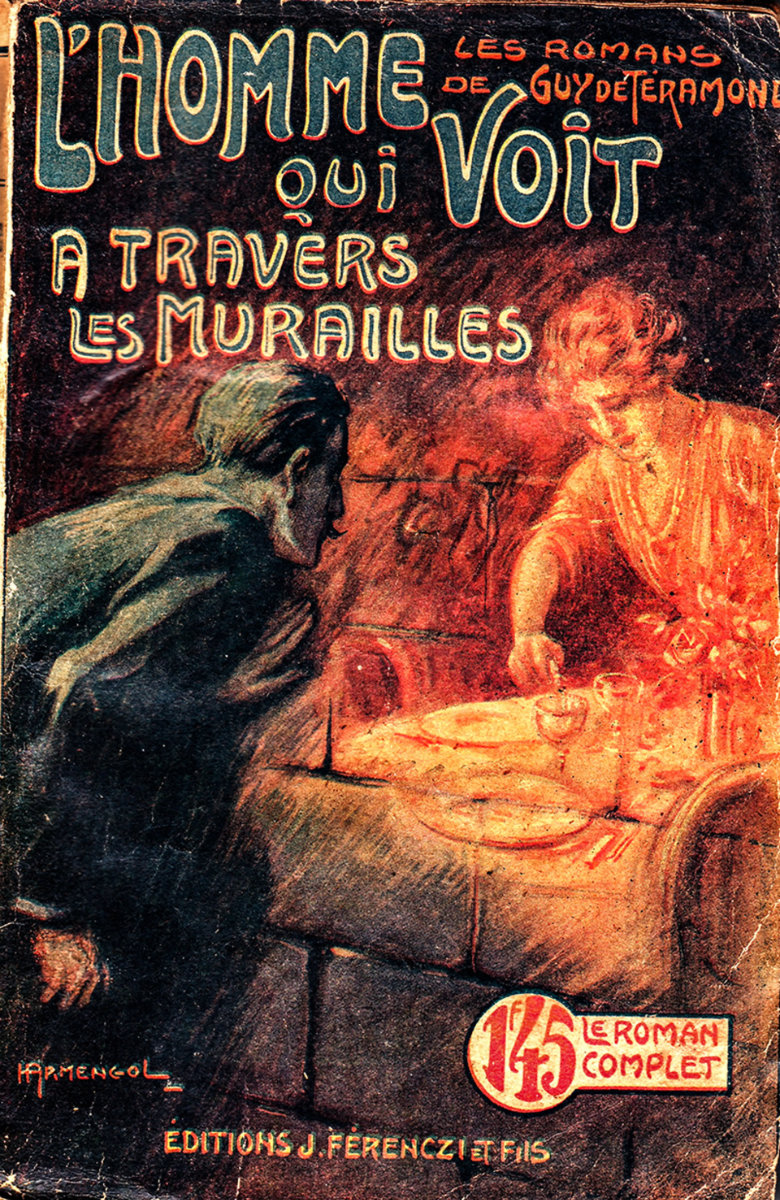
The merveilleux-scientifique narrative aims to explore “the unknown” and “the uncertain”, to deeply question the human condition. One compelling example is in Guy de Téramond’s L’homme qui voit à travers les murailles (1913), or The […]

Entry Lucien Delorme
Description 

The merveilleux-scientifique narrative aims to explore “the unknown” and “the uncertain”, to deeply question the human condition. One compelling example is in Guy de Téramond’s L’homme qui voit à travers les murailles (1913), or The […]

Quick View

Lynx

Image of Lynx
Category Lynx
Includes 

Gabriel Mirande, hero of Le lynx (1911) by André Couvreur and Michel Corday… suddenly gains the ability to hear thoughts: “It was a chaotic tumult of ideas in his head, a cerebral activity a hundred […]

Entry Lynx
Description 

Gabriel Mirande, hero of Le lynx (1911) by André Couvreur and Michel Corday… suddenly gains the ability to hear thoughts: “It was a chaotic tumult of ideas in his head, a cerebral activity a hundred […]

Quick View

Professor Flax

Image of Professor Flax
Category Professor Flax
Includes 

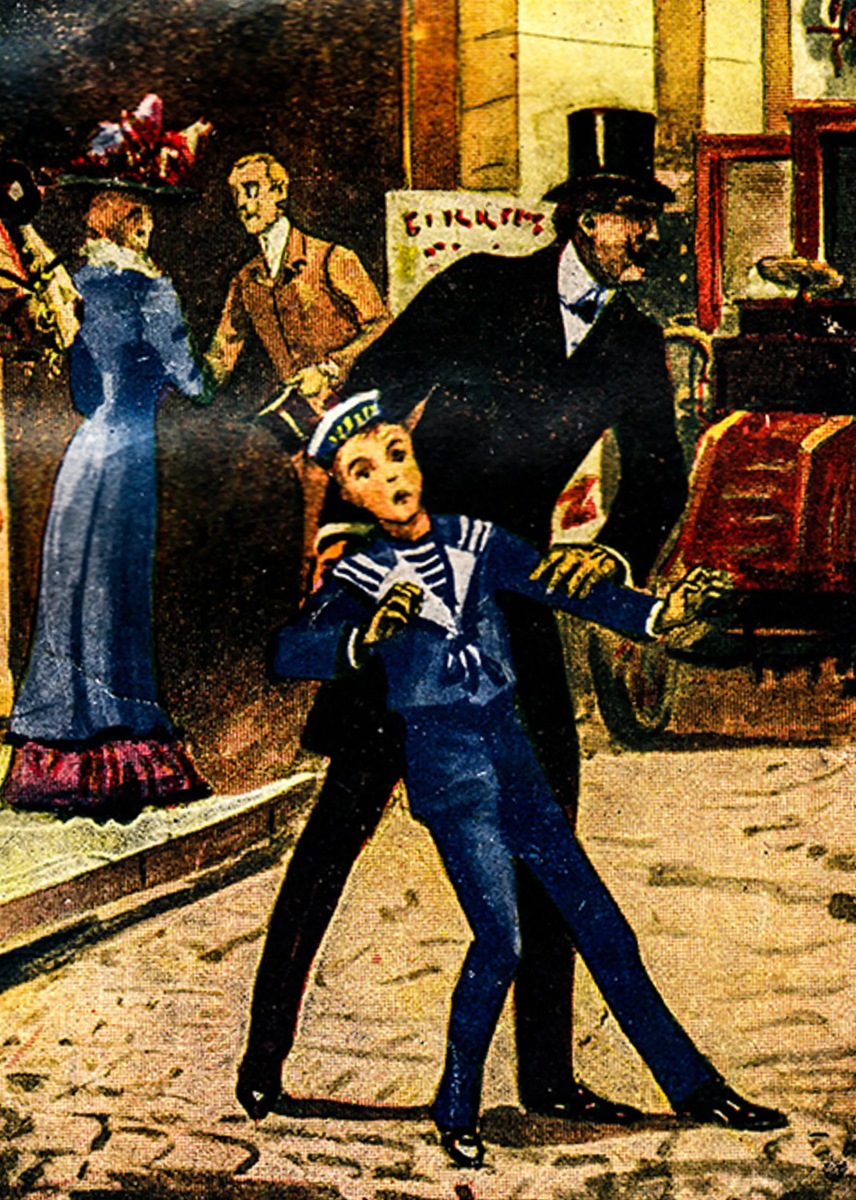
Louis Forest’s On vole des enfants à Paris (1908), or Someone Is Stealing Children in Paris, radioactive material is used to exponentially increase the intelligence of ordinary children and turn them into “supermen”: “To produce […]

Entry Professor Flax
Description 

Louis Forest’s On vole des enfants à Paris (1908), or Someone Is Stealing Children in Paris, radioactive material is used to exponentially increase the intelligence of ordinary children and turn them into “supermen”: “To produce […]

Quick View

Sir Laurence Merly

Image of Sir Laurence Merly
Category Sir Laurence Merly
Includes 

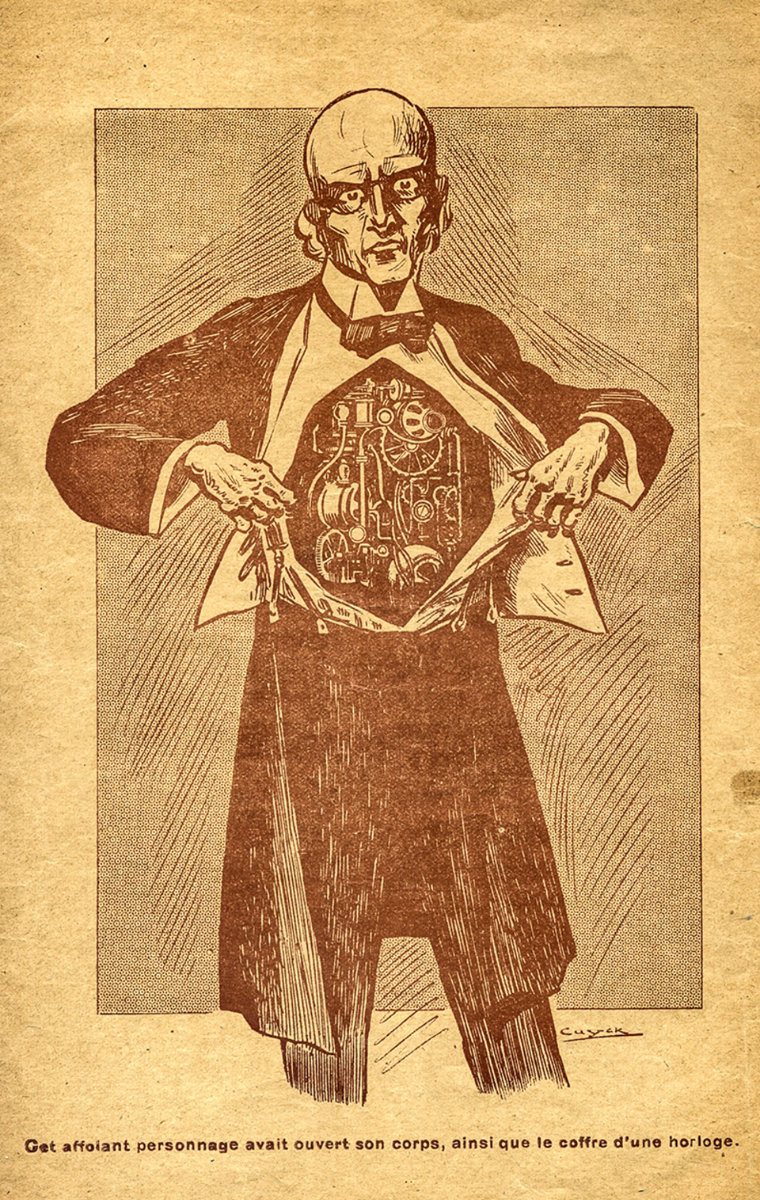
Le secret de ne jamais mourir (1913) explored whether a man with no organs, only mechanical parts, could be immortal. “That maddening personage had opened his body thus as the coffer of a clock: and […]

Entry Sir Laurence Merly
Description 

Le secret de ne jamais mourir (1913) explored whether a man with no organs, only mechanical parts, could be immortal. “That maddening personage had opened his body thus as the coffer of a clock: and […]

Quick View

Stephen Orlac

Image of Stephen Orlac
Category Stephen Orlac
Includes 

Les Mains d’Orlac (English: The Hands of Orlac) is a French science fiction novel written by Maurice Renard. The plot involves a celebrated pianist who loses his hands in a track crash and has them […]

Entry Stephen Orlac
Description 

Les Mains d’Orlac (English: The Hands of Orlac) is a French science fiction novel written by Maurice Renard. The plot involves a celebrated pianist who loses his hands in a track crash and has them […]