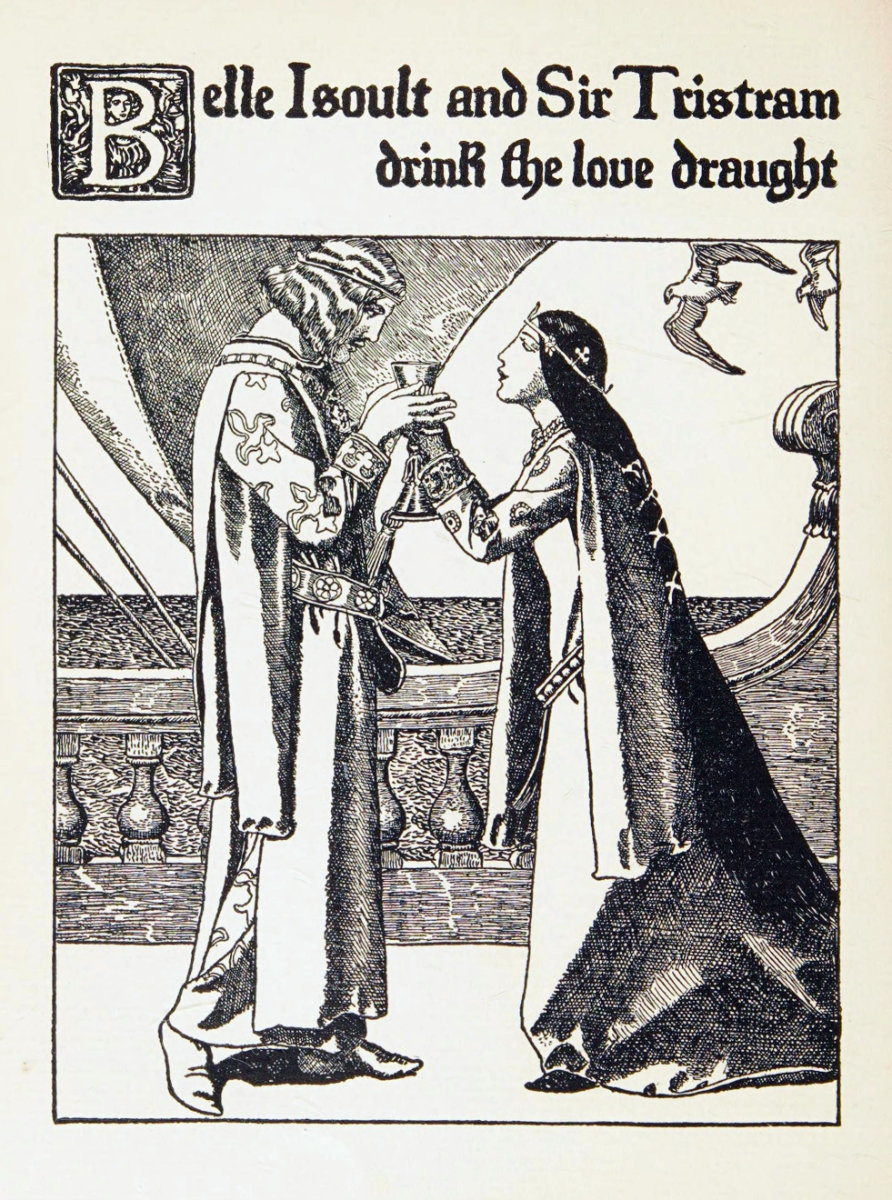
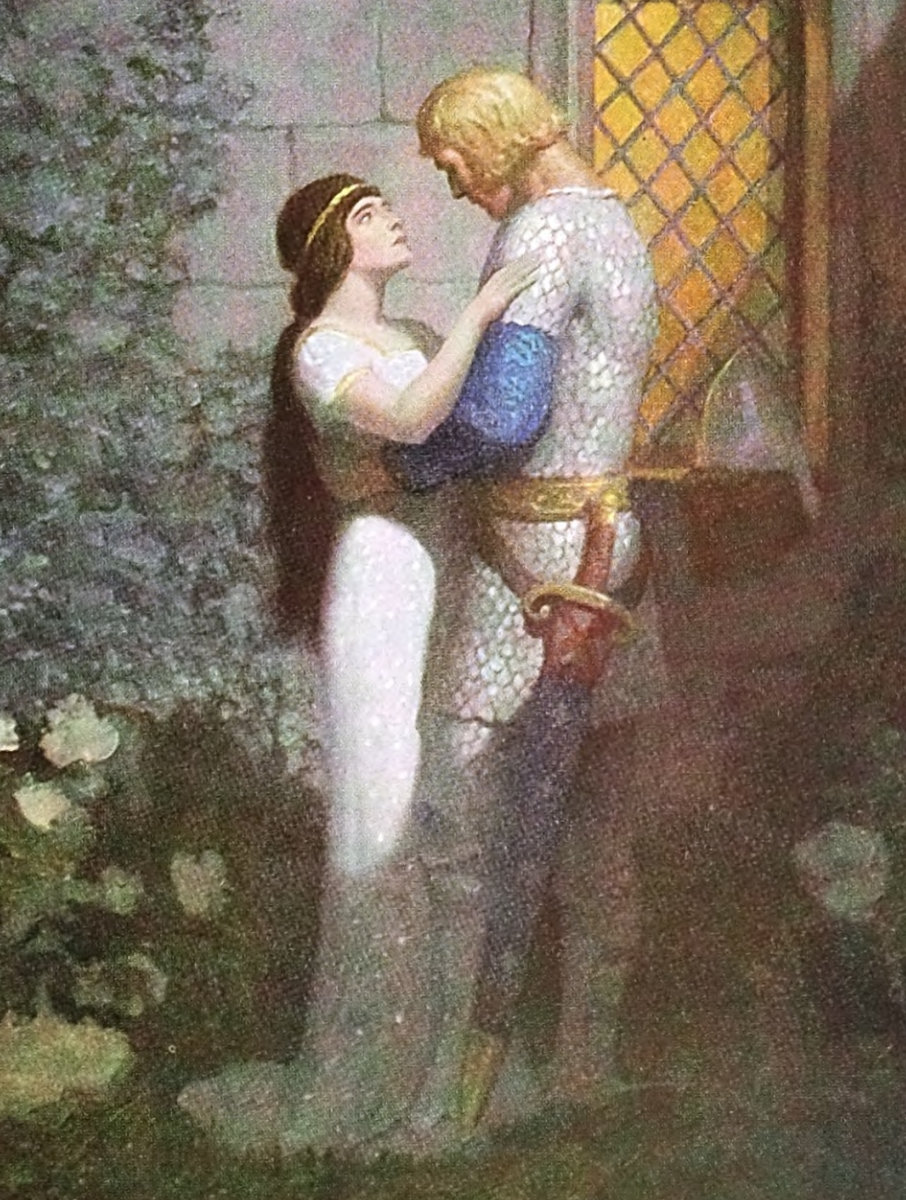
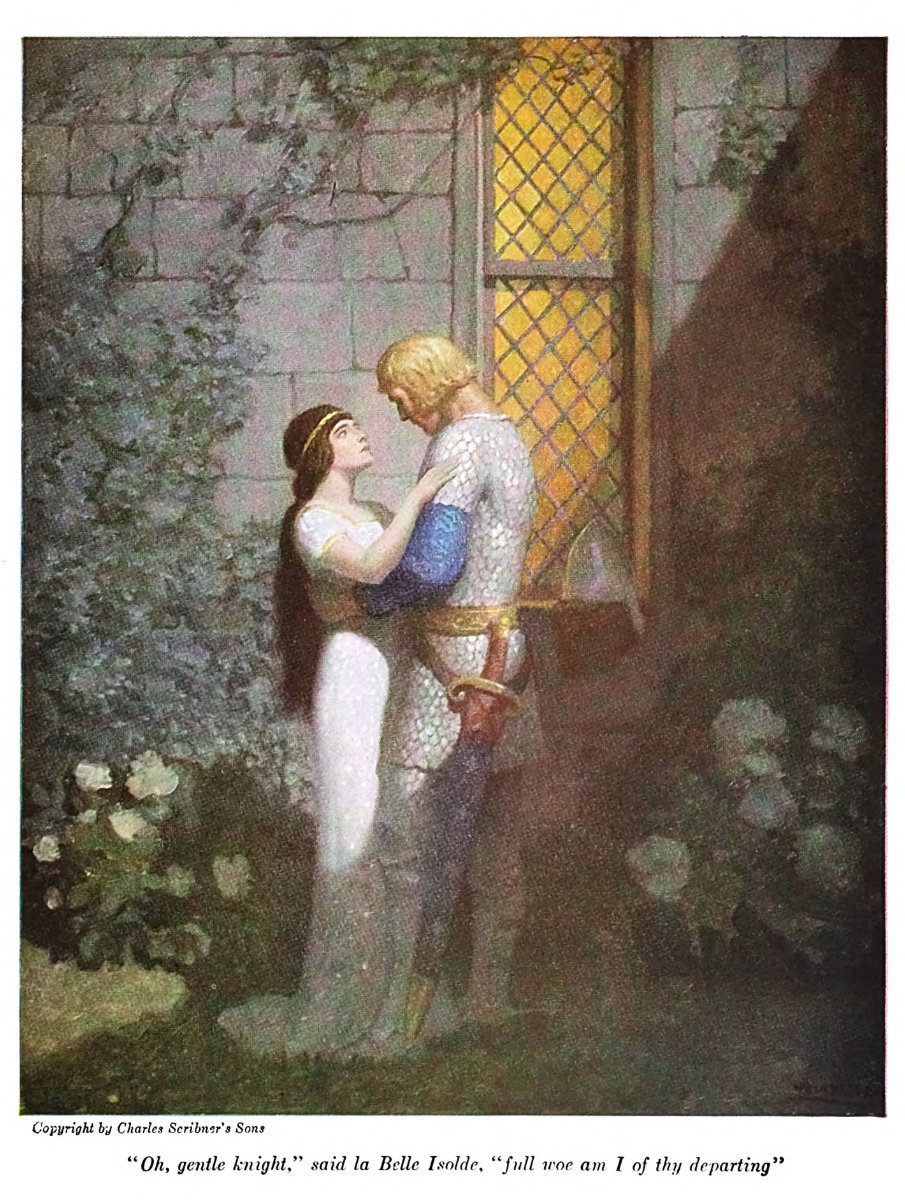
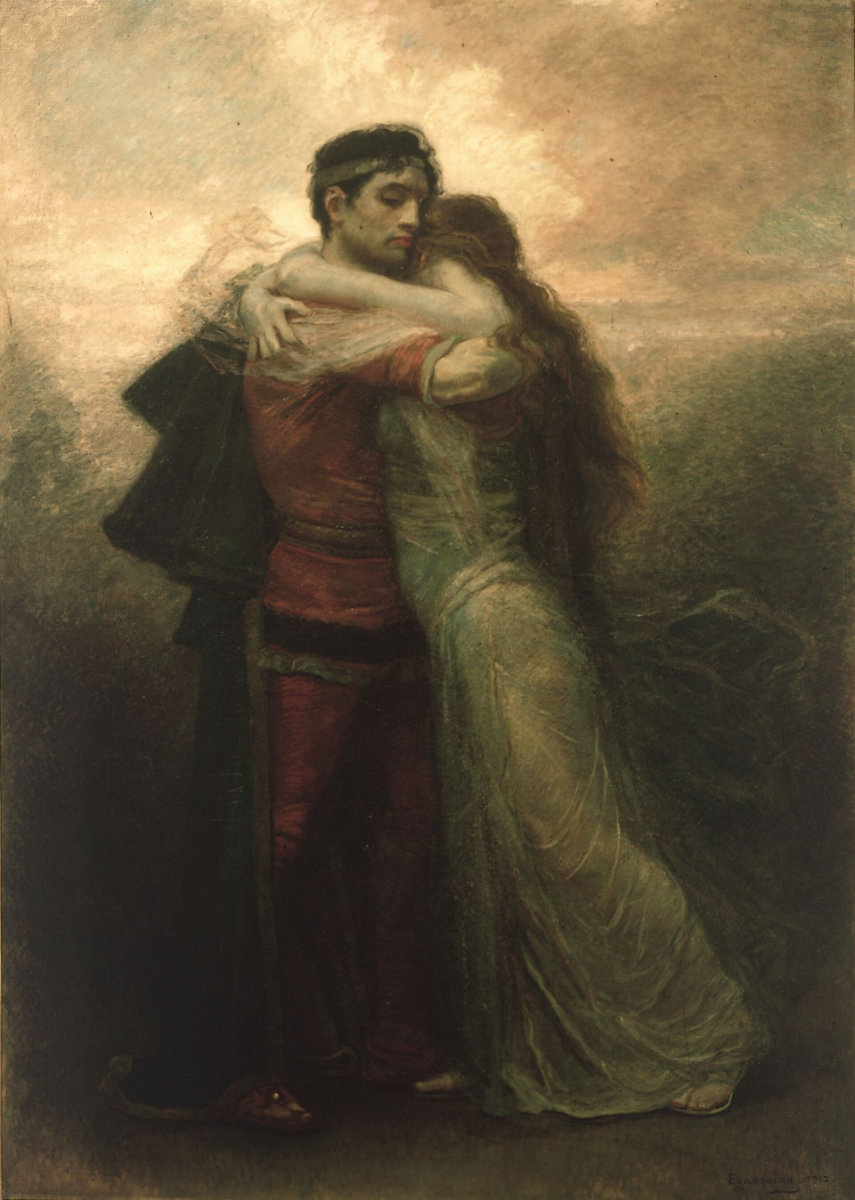
Tristan and Iseult, also known as Tristan and Isolde and other names, is a medieval legend told in numerous variations since the 12th century. Of disputed source, usually assumed to be primarily Celtic, the tale is a tragedy about the illicit love between the Cornish knight Tristan and the Irish princess Iseult in the days of King Arthur. During Tristan’s mission to escort Iseult from Ireland to marry his uncle, King Mark of Cornwall, Tristan and Iseult ingest a love potion, instigating a forbidden love affair between them. Depending on the version, Tristan may marry another woman, Iseult of the White Hands, but never stops loving the Irish princess. The tale typically ends in their deaths from love and sorrow…
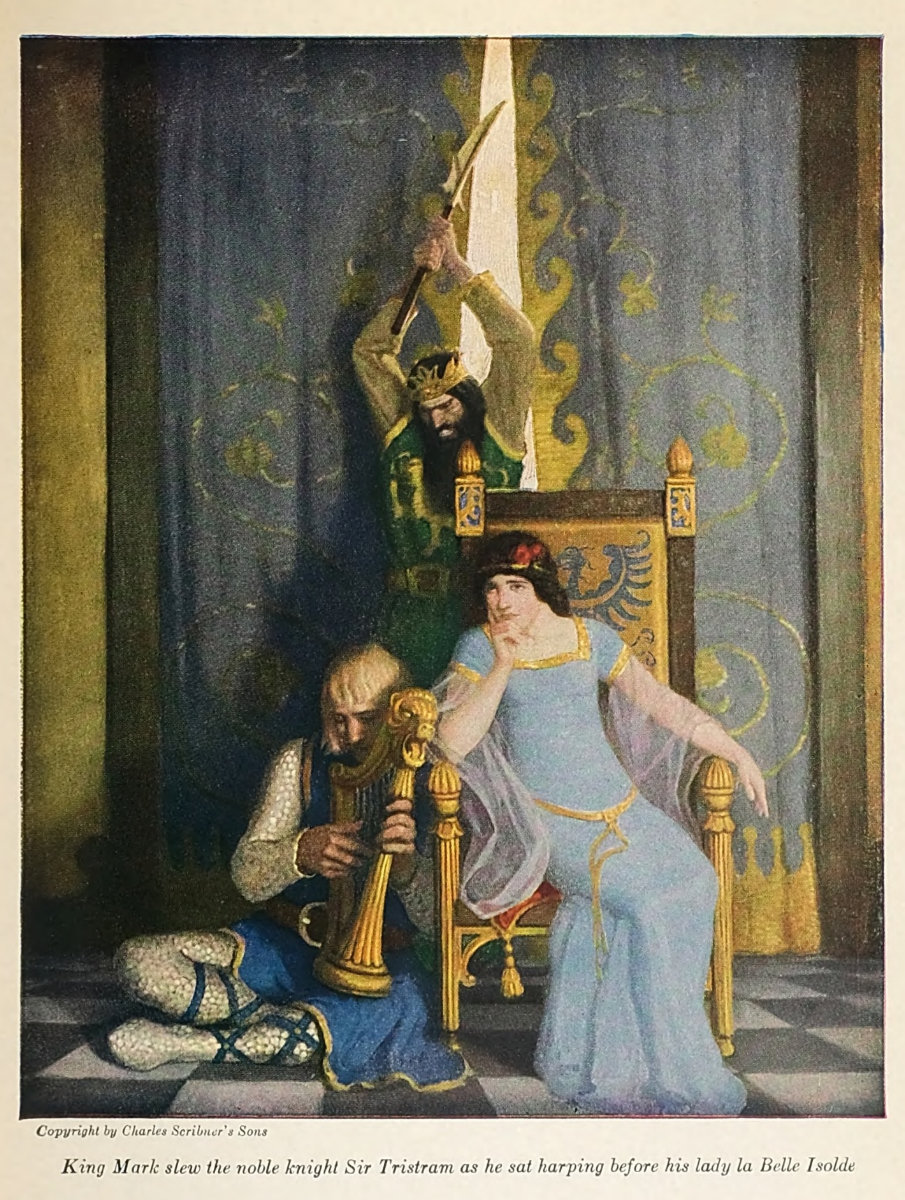
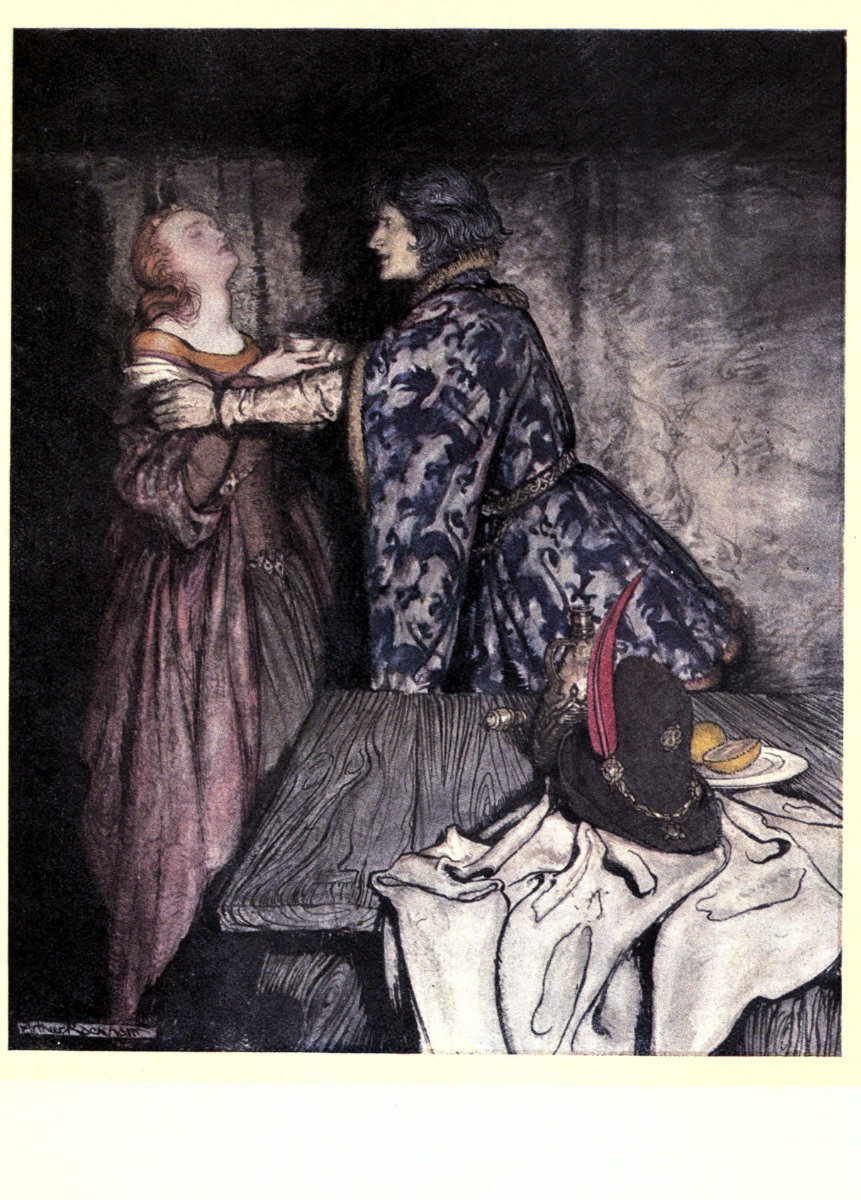
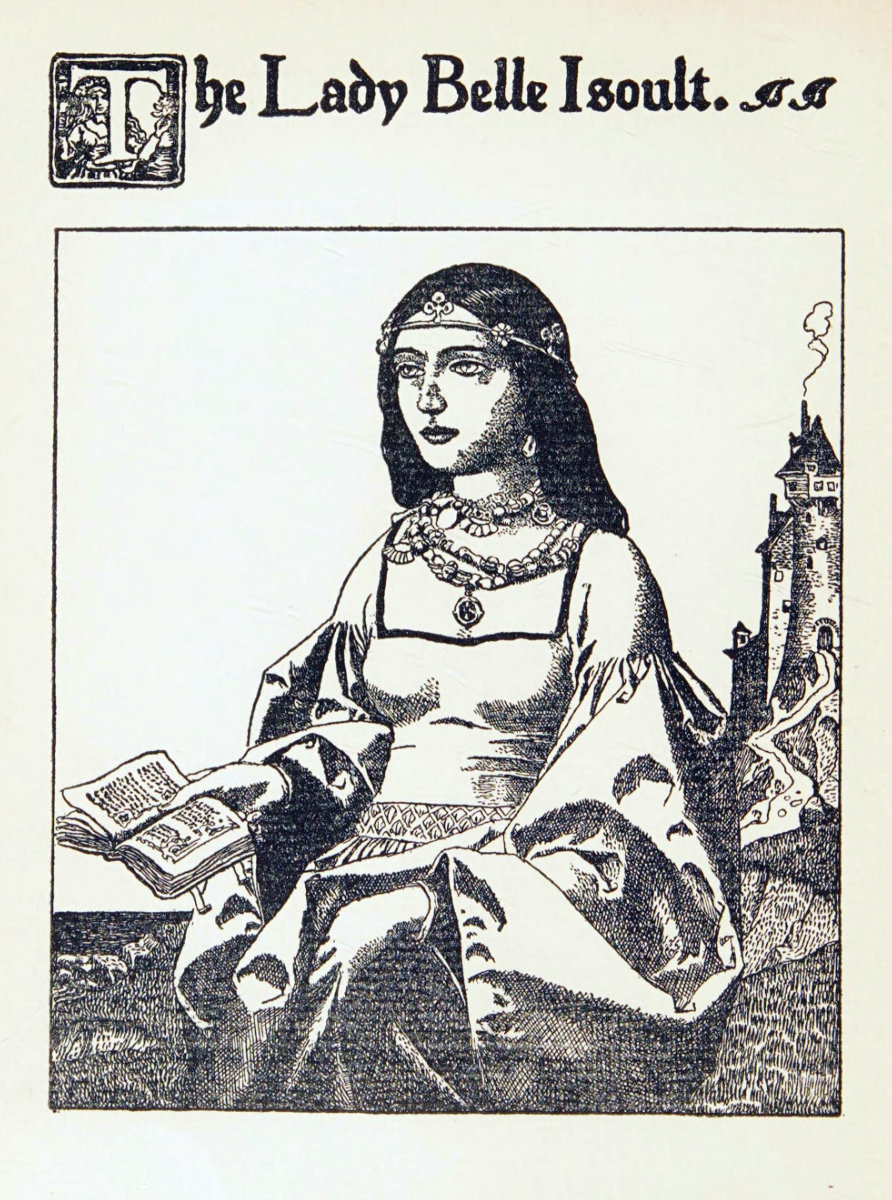
Appearance List Tristan (c. 1150–1170) by Thomas of Britain; Le Roman de Tristan (late 12th c.) by Béroul; Tristrant und Isalde (late 12th c.) by Eilhart von Oberg; Tristan und Isolde (c. 1210) by Gottfried von Strassburg; Le Roman de Tristan en prose (13th c.) by Anonymous — integrates Tristan into the Arthurian world; Le Morte d’Arthur (1485) by Thomas Malory; Tristan und Isolde (1865) by Richard Wagner — opera; The Boy’s King Arthur: Sir Thomas Malory’s History of King Arthur and His Knights of the Round Table by Sidney Lanier (Charles Scribner’s Sons, 1880); Tristram of Lyonesse, and Other Poems (1882) by Algernon Charles Swinburne; Le Roman de Tristan et Iseut (1900) by Joseph Bédier; The Romance of Tristram and Iseult (1910) by Joseph Bédier — illustrated edition; The Story of the Champions of the Round Table (1905, 1911) by Howard Pyle [Internet Archive]. Film: Tristan et Yseult (1920) by Maurice Mariaud; L’Éternel retour / The Eternal Return (1943) by Jean Delannoy, screenplay by Jean Cocteau.
Description Tristan and Iseult, also known as Tristan and Isolde and other names, is a medieval legend told in numerous variations since the 12th century. Of disputed source, usually assumed to be primarily Celtic, the tale is a tragedy about the illicit love between the Cornish knight Tristan and the Irish princess Iseult in the days of King Arthur. During Tristan’s mission to escort Iseult from Ireland to marry his uncle, King Mark of Cornwall, Tristan and Iseult ingest a love potion, instigating a forbidden love affair between them. Depending on the version, Tristan may marry another woman, Iseult of the White Hands, but never stops loving the Irish princess. The tale typically ends in their deaths from love and sorrow…

 ,
,  ,
,  ,
,  ,
,  ,
,  ,
,