Image of Prospero

Scientific Revolution

This era, named for a rapid accumulation of knowledge, saw groundbreaking work published on electricity, optics, mechanical calculation, and the human body. The “science heroes” Copernicus in 1543, Kepler in 1609, Galileo in 1610, and Newton in 1687 explained the heliocentric model, displacing our world from the center of the universe. Early science fiction/fantasy included Bacon’s New Atlantis in 1627, Kepler’s Somnium in 1634, and Cavendish’s The Blazing World in 1666. The First Folio, a posthumous collection of Shakespeare’s dramas, was published in 1623. At the same time, during Japan’s Edo period (1603–1868), woodblock printing was widely adopted.
Era Scientific Revolution (1543 – 1687)
Alternative Names 17th Century Early Modern Theater and Print Cultures, Baroque Era, Early Edo Period, Dutch Golden Age
Total Entries 85
Articles
Scientific Revolution – Wikipedia
Woodblock printing in Japan – Wikipedia
History of science fiction – Wikipedia
Description This era, named for a rapid accumulation of knowledge, saw groundbreaking work published on electricity, optics, mechanical calculation, and the human body. The “science heroes” Copernicus in 1543, Kepler in 1609, Galileo in 1610, and Newton in 1687 explained the heliocentric model, displacing our world from the center of the universe. Early science fiction/fantasy included Bacon’s New Atlantis in 1627, Kepler’s Somnium in 1634, and Cavendish’s The Blazing World in 1666. The First Folio, a posthumous collection of Shakespeare’s dramas, was published in 1623. At the same time, during Japan’s Edo period (1603–1868), woodblock printing was widely adopted.

The Scientific Revolution was a series of events that marked the emergence of modern science during the early modern period, when developments in mathematics, physics, astronomy, biology (including human anatomy) and chemistry transformed the views of society about nature. The Scientific Revolution took place in Europe in the second half of the Renaissance period, with the 1543 Nicolaus Copernicus publication De revolutionibus orbium coelestium (On the Revolutions of the Heavenly Spheres) often cited as its beginning. The Scientific Revolution has been called “the most important transformation in human history” since the Neolithic Revolution. The era of the Scientific Renaissance focused to some degree on recovering the knowledge of the ancients and is considered to have culminated in Isaac Newton’s 1687 publication Principia which formulated the laws of motion and universal gravitation, thereby completing the synthesis of a new cosmology. The subsequent Age of Enlightenment saw the concept of a scientific revolution emerge in the 18th-century work of Jean Sylvain Bailly, who described a two-stage process of sweeping away the old and establishing the new. There continues to be scholarly engagement regarding the boundaries of the Scientific Revolution and its chronology… ~ Scientific Revolution – Wikipedia
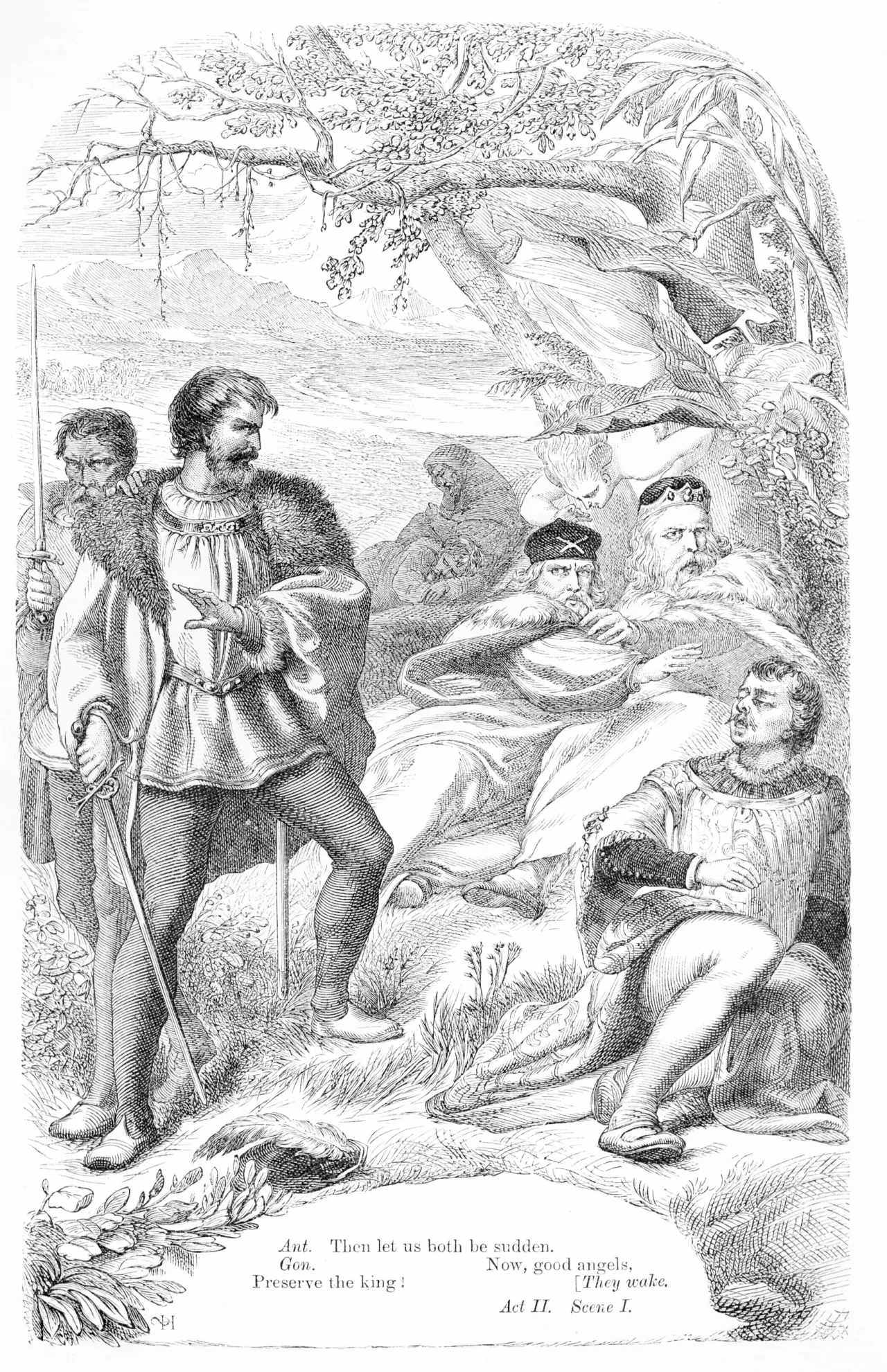
The Plays of William Shakespeare (1864-68) via Victorian Illustrated Shakespeare Archive | H. C. Selous
Quick View

Akaguchi

Image of Akaguchi
Category Akaguchi
Includes 

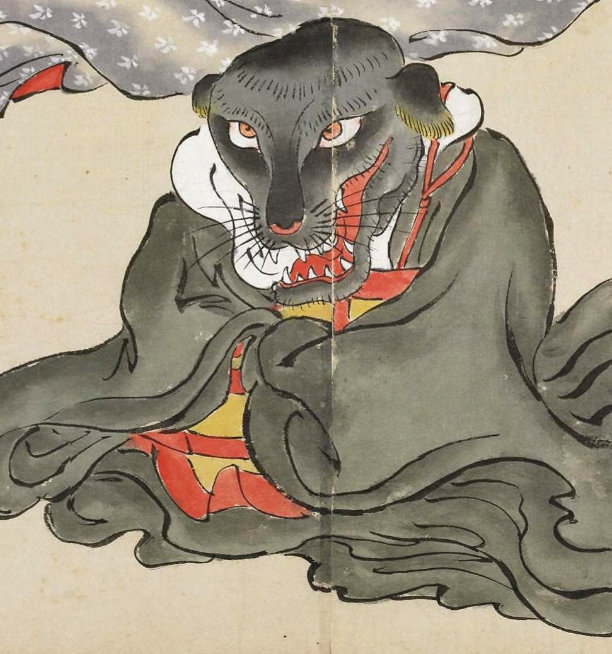
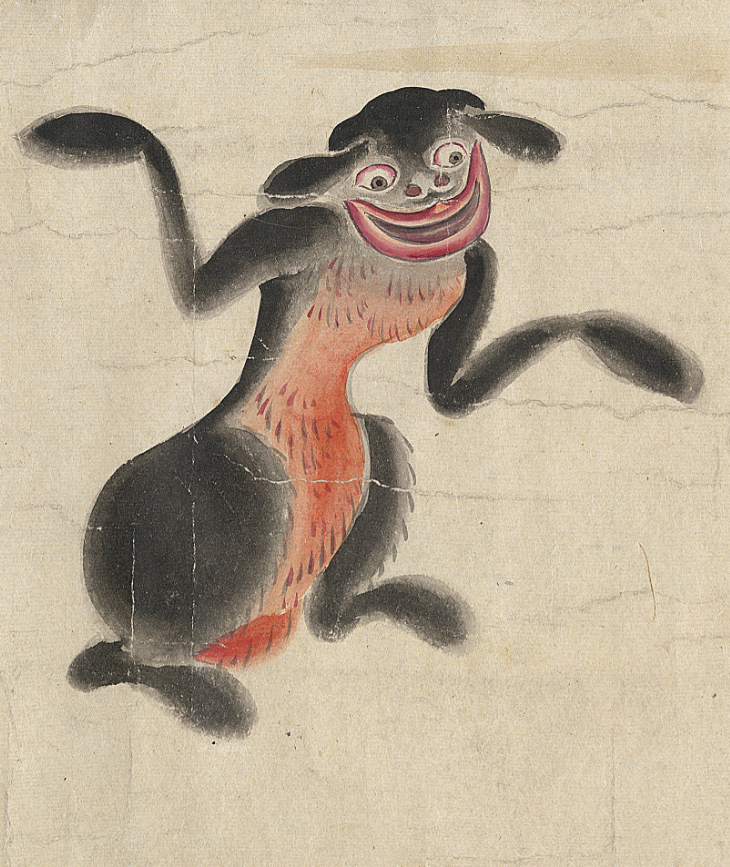
Akaguchi is a yōkai from the northwestern region of Aomori prefecture. This yōkai resides in an amorphous black cloud, baring visibly its komainu (Japanese lion-dog) face and large claws. Its face and claws are covered […]

Entry Akaguchi
Description 

Akaguchi is a yōkai from the northwestern region of Aomori prefecture. This yōkai resides in an amorphous black cloud, baring visibly its komainu (Japanese lion-dog) face and large claws. Its face and claws are covered […]

Quick View

Antonio (The Tempest)

Image of Antonio (The Tempest)
Category Antonio (The Tempest)
Includes 

In William Shakespeare’s comedy The Tempest (believed to have been written and performed circa 1610, but not published until 1623), Antonio is the brother of the wizard Prospero and is notable for having usurped his […]

Entry Antonio (The Tempest)
Description 

In William Shakespeare’s comedy The Tempest (believed to have been written and performed circa 1610, but not published until 1623), Antonio is the brother of the wizard Prospero and is notable for having usurped his […]

Quick View

Aramis

Image of Porthos
Category Aramis
Includes 

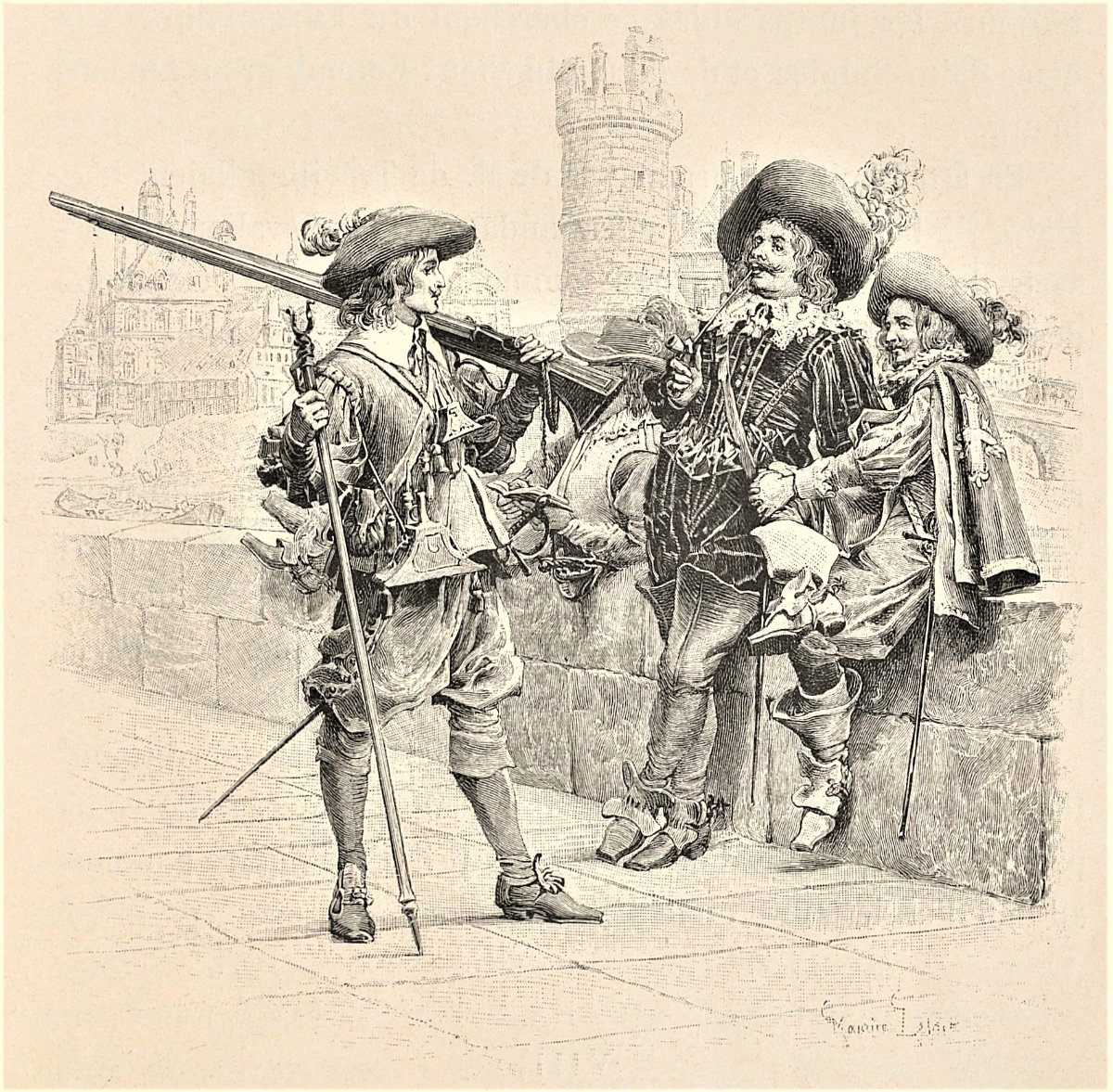
René d’Herblay, alias Aramis, is a fictional character in the novels The Three Musketeers (1844), Twenty Years After (1845), and The Vicomte de Bragelonne (1847–1850) by Alexandre Dumas, père. He and the other two musketeers, […]

Entry Aramis
Description 

René d’Herblay, alias Aramis, is a fictional character in the novels The Three Musketeers (1844), Twenty Years After (1845), and The Vicomte de Bragelonne (1847–1850) by Alexandre Dumas, père. He and the other two musketeers, […]

Quick View

Ariel

Image of Ariel
Category Ariel
Includes 

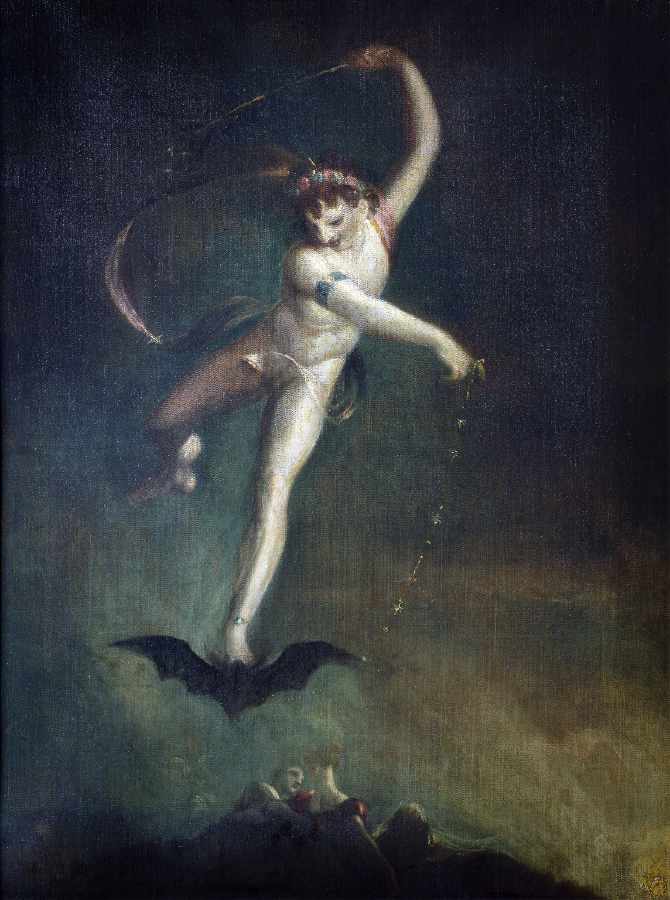
Ariel is an elemental air spirit who inhabited the island where the wizard Prospero was exiled in William Shakespeare’s The Tempest. Prior to Prospero’s arrival, Ariel was enslaved by the evil witch Sycorax, who had […]

Entry Ariel
Description 

Ariel is an elemental air spirit who inhabited the island where the wizard Prospero was exiled in William Shakespeare’s The Tempest. Prior to Prospero’s arrival, Ariel was enslaved by the evil witch Sycorax, who had […]

Quick View

Athos

Image of Athos
Category Athos
Includes 

Athos, Count de la Fère, is a fictional character in the novels The Three Musketeers (1844), Twenty Years After (1845) and The Vicomte de Bragelonne (1847–1850) by Alexandre Dumas, père. He is a highly fictionalized […]

Entry Athos
Description 

Athos, Count de la Fère, is a fictional character in the novels The Three Musketeers (1844), Twenty Years After (1845) and The Vicomte de Bragelonne (1847–1850) by Alexandre Dumas, père. He is a highly fictionalized […]

Quick View

Bak Mei

Image of Bak Mei
Category Bak Mei
Includes 

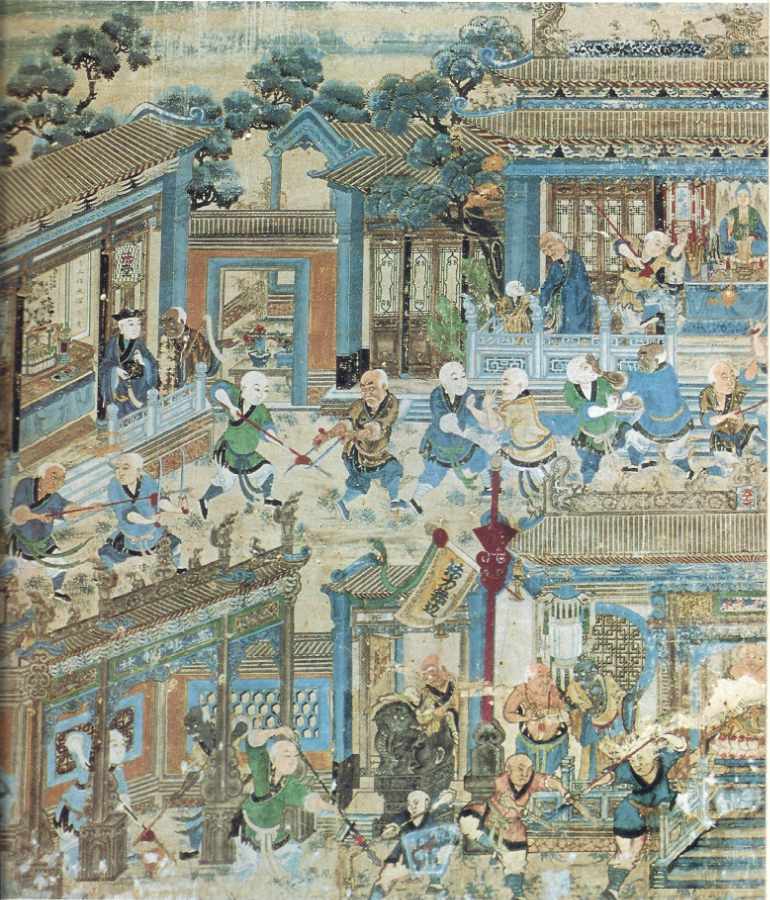
Bak Mei (Chinese: literally: “White Eyebrows”) is said to have been one of the legendary Five Elders, survivors of the destruction of the Shaolin Monastery by the Qing dynasty (1644-1912), who, according to some accounts, […]

Entry Bak Mei
Description 

Bak Mei (Chinese: literally: “White Eyebrows”) is said to have been one of the legendary Five Elders, survivors of the destruction of the Shaolin Monastery by the Qing dynasty (1644-1912), who, according to some accounts, […]

Quick View

Banzuiin Chobei

Image of Banzuiin Chobei
Category Banzuiin Chobei
Includes 

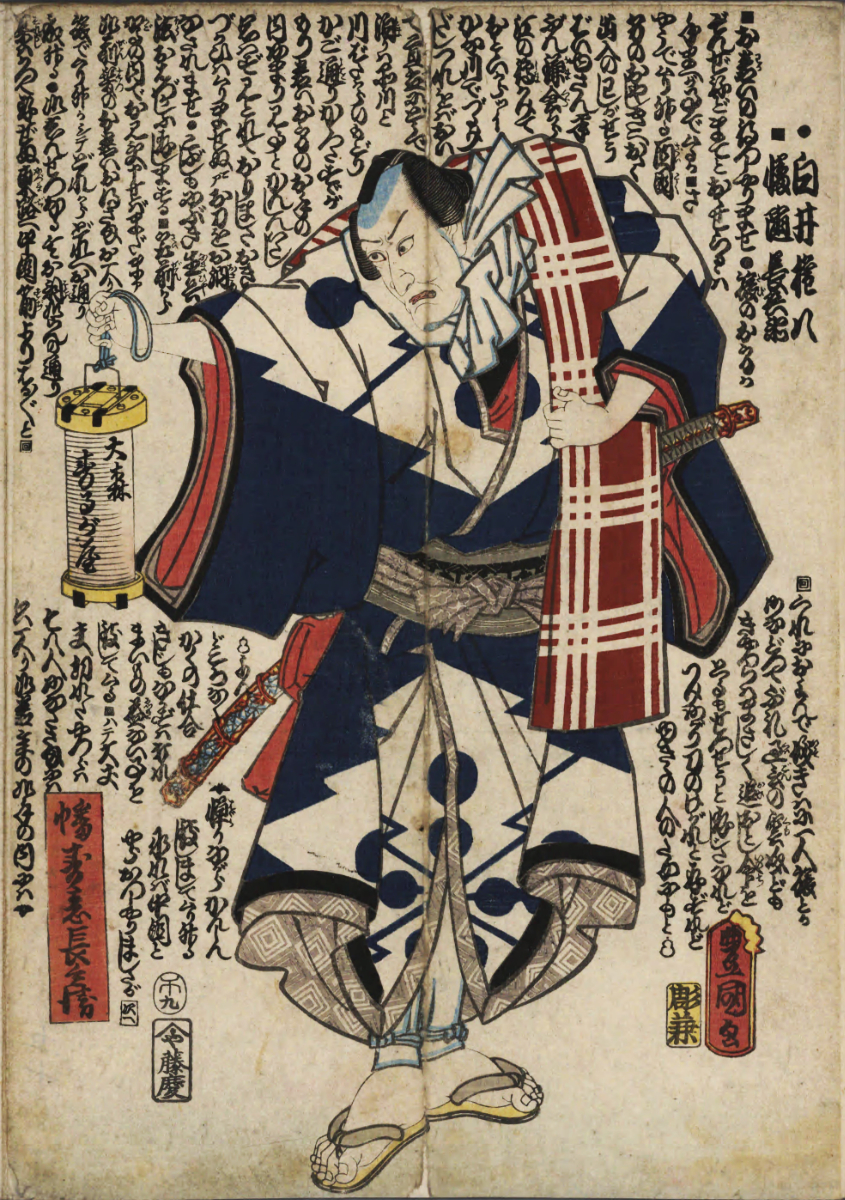
Banzuiin Chōbei (1622–1657) was a historical street tough of Japan’s Edo period who, according to later fictionalized portrayals of his life in literature and drama, fought against injustices, and to protect the common people from […]

Entry Banzuiin Chobei
Description 

Banzuiin Chōbei (1622–1657) was a historical street tough of Japan’s Edo period who, according to later fictionalized portrayals of his life in literature and drama, fought against injustices, and to protect the common people from […]

Quick View

Blackbeard

Image of Blackbeard
Category Blackbeard
Includes 

Blackbeard (c. 1680) is probably the most notorious pirate in history, well known for his ruthlessness. He was an Englishman who operated primarily in the West Indies and the Caribbean. He captured a French ship […]

Entry Blackbeard
Description 

Blackbeard (c. 1680) is probably the most notorious pirate in history, well known for his ruthlessness. He was an Englishman who operated primarily in the West Indies and the Caribbean. He captured a French ship […]

Quick View

Bluebeard

Image of Bluebeard
Category Bluebeard
Includes 

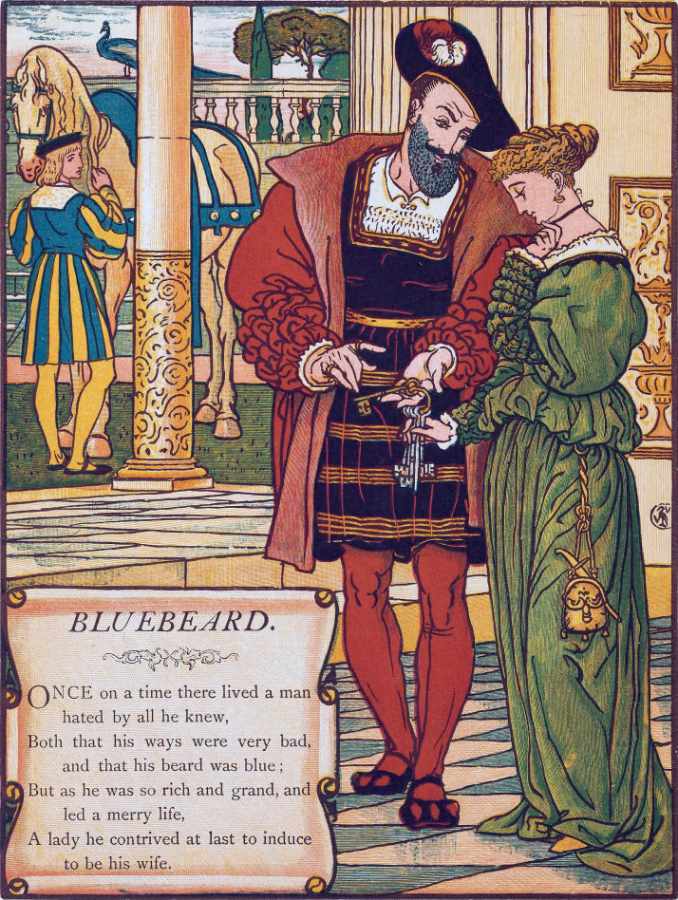
Bluebeard is a wealthy aristocrat, feared and shunned because of his ugly, blue beard. He has been married several times, but no one knows what became of his wives. He is therefore avoided by the […]

Entry Bluebeard
Description 

Bluebeard is a wealthy aristocrat, feared and shunned because of his ugly, blue beard. He has been married several times, but no one knows what became of his wives. He is therefore avoided by the […]

Quick View

Caliban

Image of Caliban
Category Caliban
Includes 

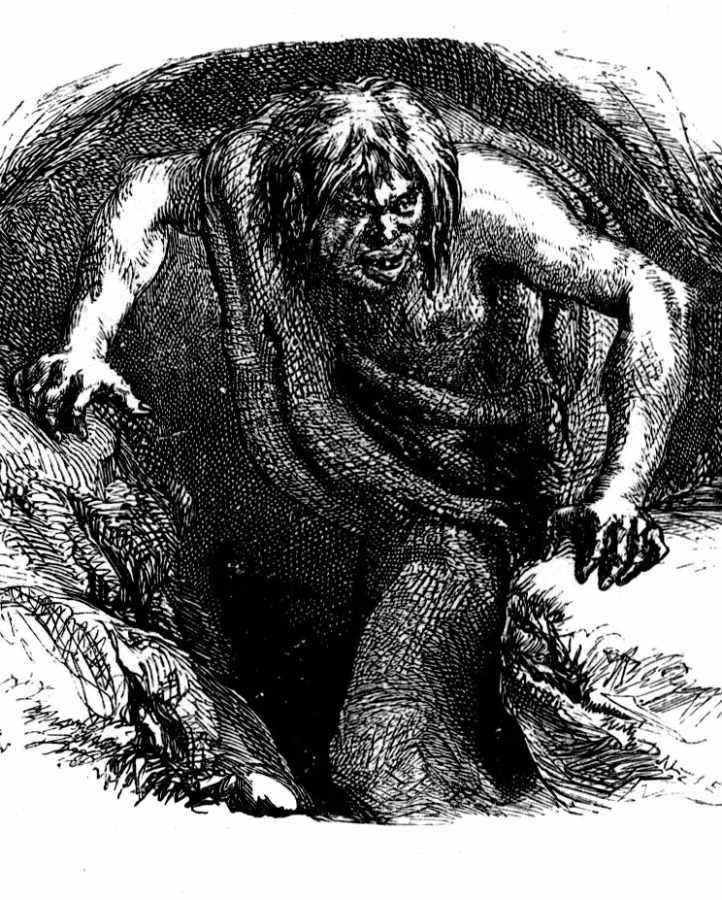
Caliban was a deformed beast, son of the witch Sycorax, who had lived in exile on a small remote island. After Sycorax died, Caliban lived alone on the island, until the day Prospero and his […]

Entry Caliban
Description 

Caliban was a deformed beast, son of the witch Sycorax, who had lived in exile on a small remote island. After Sycorax died, Caliban lived alone on the island, until the day Prospero and his […]

Quick View

Captain Blood

Image of Captain Blood
Category Captain Blood
Includes 

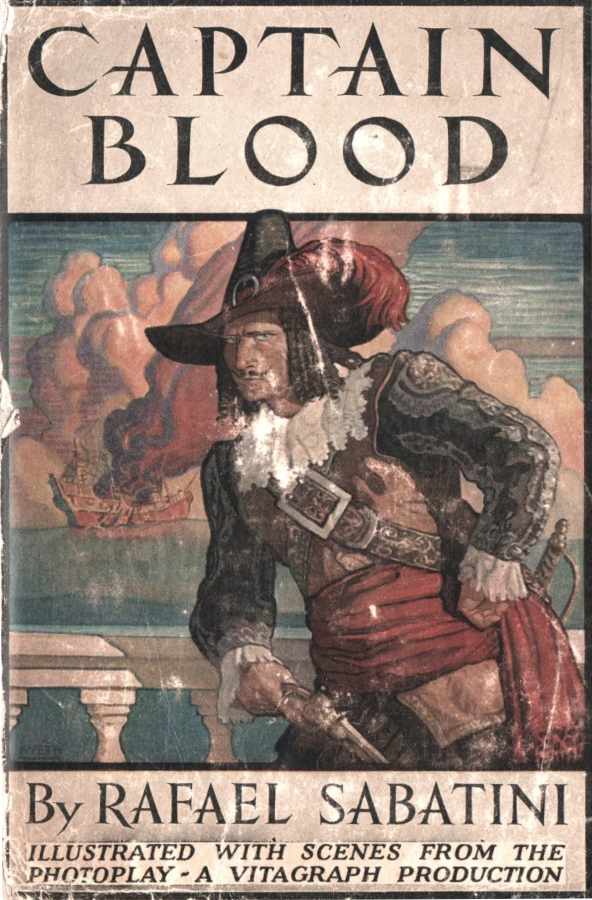
Peter Blood was an Irish physician in the late 17th Century who served as a soldier, sailor, and eventually, one of the most feared pirate captains in the Caribbean. After attending the wounded during a […]

Entry Captain Blood
Description 

Peter Blood was an Irish physician in the late 17th Century who served as a soldier, sailor, and eventually, one of the most feared pirate captains in the Caribbean. After attending the wounded during a […]

Quick View

Captain Kidd (Pirate)

Image of Captain Kidd (Pirate)
Category Captain Kidd (Pirate)
Includes 

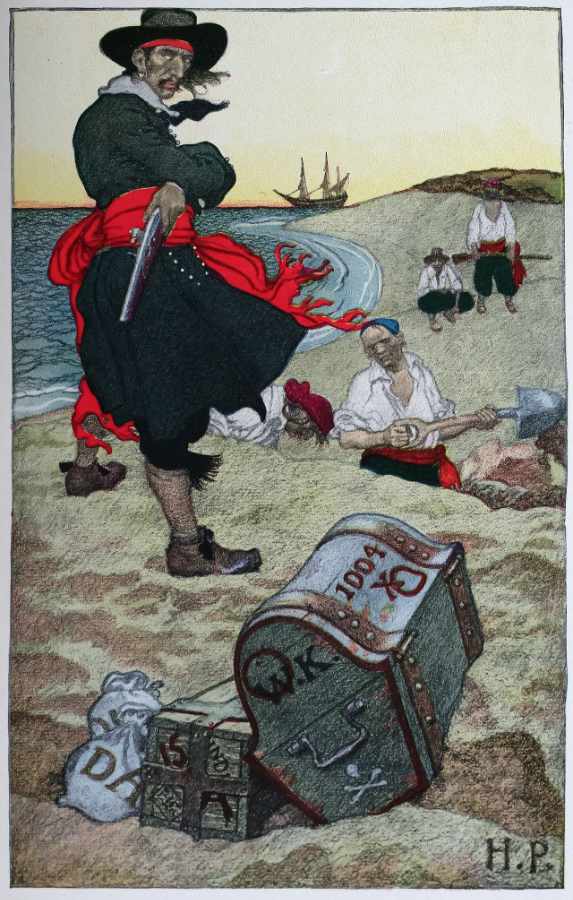
Captain Kidd is a notorious pirate, originally from Scotland, who commanded a ship called the Adventure Galley. Although he became notorious after he was hung for his crimes, Kidd was not necessarily the most destructive […]

Entry Captain Kidd (Pirate)
Description 

Captain Kidd is a notorious pirate, originally from Scotland, who commanded a ship called the Adventure Galley. Although he became notorious after he was hung for his crimes, Kidd was not necessarily the most destructive […]

Quick View

Cyrano de Bergerac

Image of Cyrano de Bergerac
Category Cyrano de Bergerac
Includes 

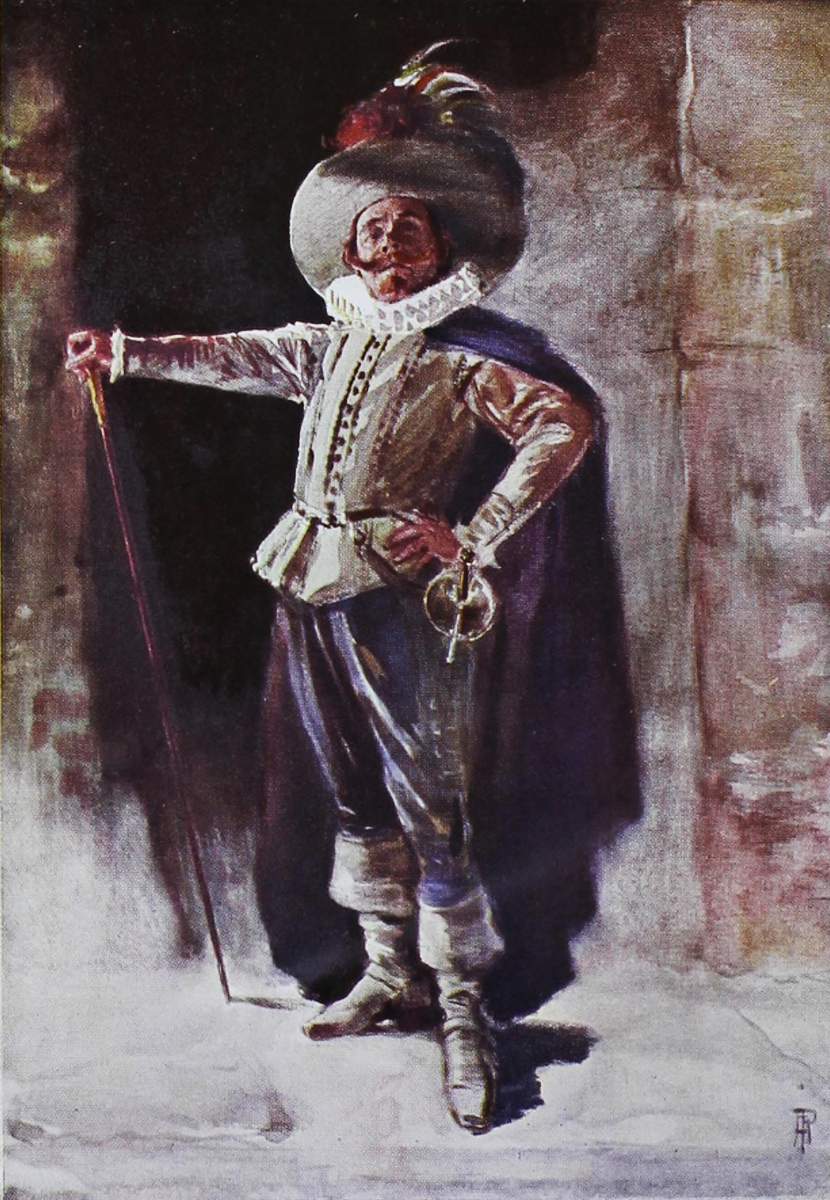
Hercule-Savinien de Cyrano de Bergerac (6 March 1619 – 28 July 1655) was a French dramatist and duelist. In fictional works about his life he is featured with an overly large nose, which people would […]

Entry Cyrano de Bergerac
Description 

Hercule-Savinien de Cyrano de Bergerac (6 March 1619 – 28 July 1655) was a French dramatist and duelist. In fictional works about his life he is featured with an overly large nose, which people would […]

Quick View

D’Artagnan

Image of D'Artagnan
Category D’Artagnan
Includes 

D’Artagnan is initially portrayed by Dumas as a hotheaded youth, who tries to engage the Comte de Rochefort and the Three Musketeers, Athos, Porthos, and Aramis in single combat. He quickly becomes friends with the […]

Entry D’Artagnan
Description 

D’Artagnan is initially portrayed by Dumas as a hotheaded youth, who tries to engage the Comte de Rochefort and the Three Musketeers, Athos, Porthos, and Aramis in single combat. He quickly becomes friends with the […]

Quick View

Daichiuchi

Image of Daichiuchi
Category Daichiuchi
Includes 

A mallet-wielding yōkai appears in many of the earliest picture scrolls of the night parade of one hundred demons. In its oldest depictions, kanazuchibō appears with no name or description. Names like kanazuchibō and daichiuchi […]

Entry Daichiuchi
Description 

A mallet-wielding yōkai appears in many of the earliest picture scrolls of the night parade of one hundred demons. In its oldest depictions, kanazuchibō appears with no name or description. Names like kanazuchibō and daichiuchi […]

Quick View

Deutscher Michel

Image of Deutscher Michel
Category Deutscher Michel
Includes 

Der Deutsche Michel (literally: “The German Micheal”) is a figure representing the national character of the German people, rather as John Bull represents the British and Uncle Sam represent the Americans. Such figures differ from […]

Entry Deutscher Michel
Description 

Der Deutsche Michel (literally: “The German Micheal”) is a figure representing the national character of the German people, rather as John Bull represents the British and Uncle Sam represent the Americans. Such figures differ from […]

Quick View

Domokomo

Image of Domokomo
Category Domokomo
Includes 

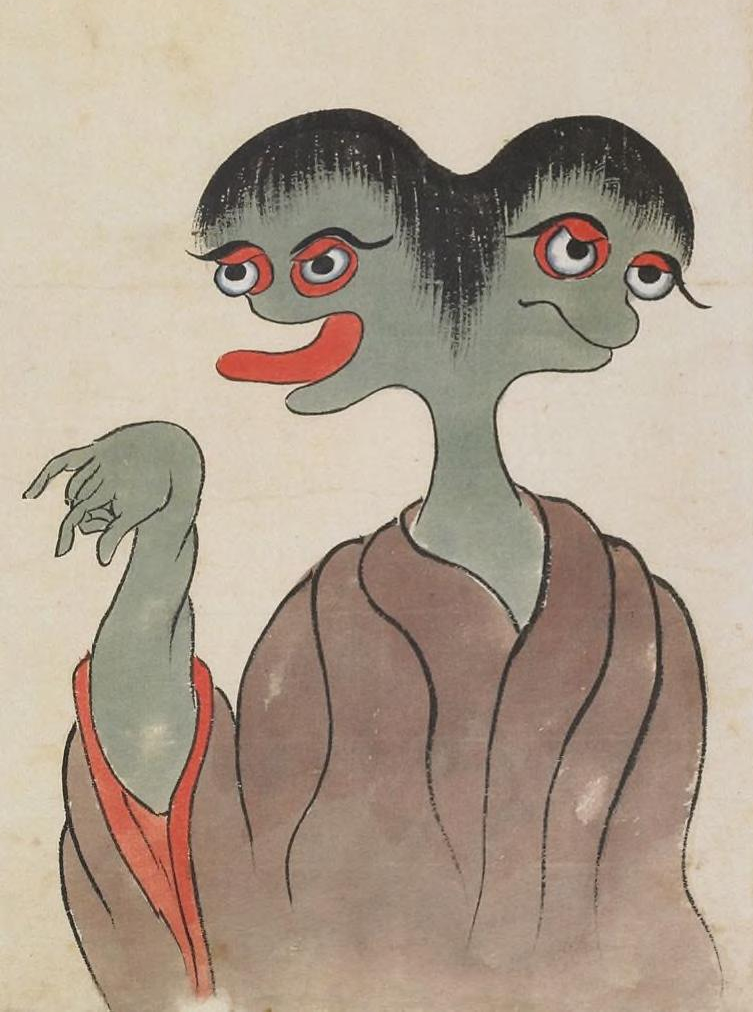
Dōmokōmo are mysterious, two-faced yōkai who wear kimono. They appear in numerous yōkai scrolls, however there are no folk tales detailing their history or origins. No story or explanation was written when dōmokōmo was first […]

Entry Domokomo
Description 

Dōmokōmo are mysterious, two-faced yōkai who wear kimono. They appear in numerous yōkai scrolls, however there are no folk tales detailing their history or origins. No story or explanation was written when dōmokōmo was first […]

Quick View

Don Quixote

Image of Don Quixote
Category Don Quixote
Includes 

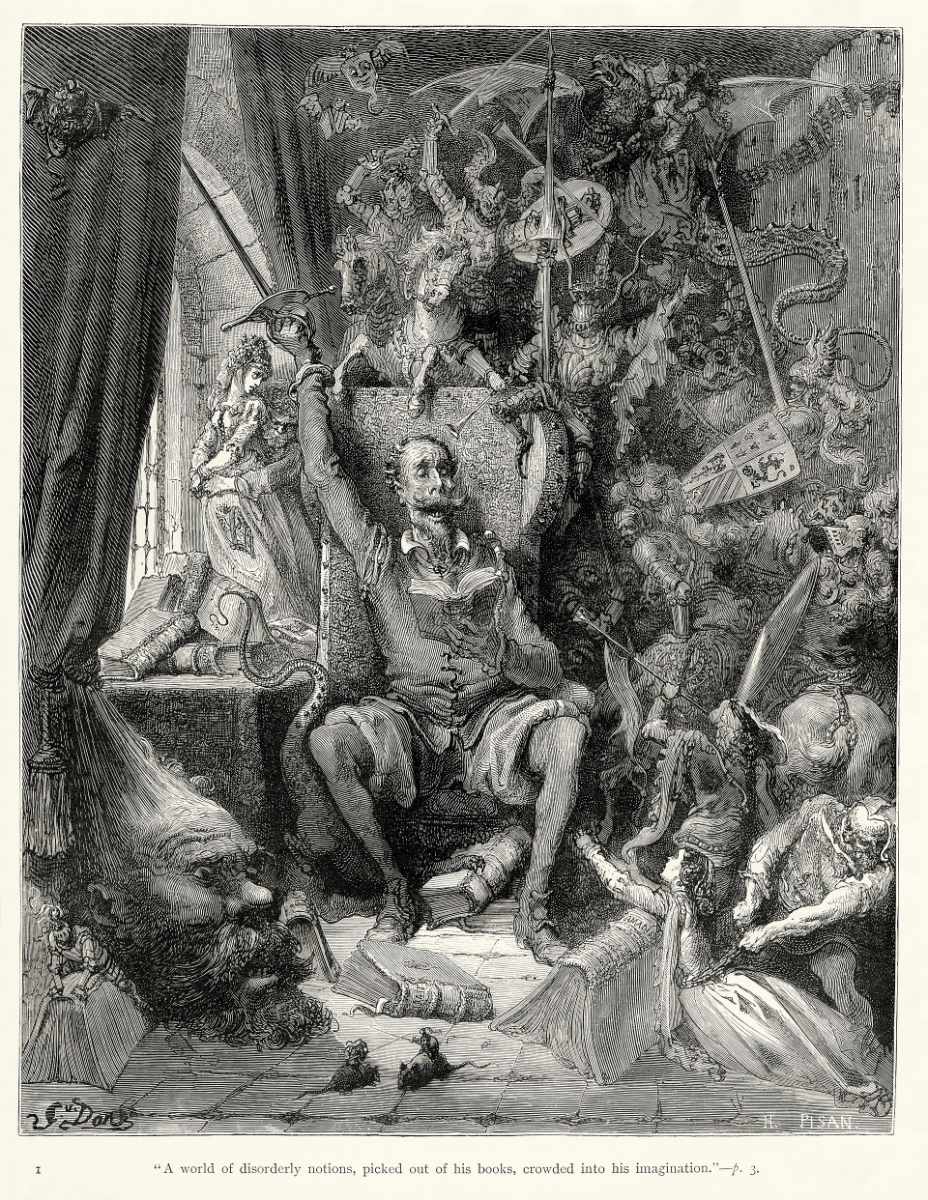
After reading one too many chivalric novels, Alonso Quijano, citizen of a small town in La Mancha, Spain, is inspired to take the name Don Quixote and become a knight, a new champion of honor […]

Entry Don Quixote
Description 

After reading one too many chivalric novels, Alonso Quijano, citizen of a small town in La Mancha, Spain, is inspired to take the name Don Quixote and become a knight, a new champion of honor […]

Quick View

Fong Sai-yuk

Image of Fong Sai-yuk
Category Fong Sai-yuk
Includes 

Fong Sai-yuk (or Fang Shiyu) is a semi-fictional Chinese martial artist and folk hero from Zhaoqing City, Guangdong Province of the Qing dynasty. Fong was also associated with Hung Hei-gun and the Five Elders of […]

Entry Fong Sai-yuk
Description 

Fong Sai-yuk (or Fang Shiyu) is a semi-fictional Chinese martial artist and folk hero from Zhaoqing City, Guangdong Province of the Qing dynasty. Fong was also associated with Hung Hei-gun and the Five Elders of […]

Quick View

Furaribi

Image of Furaribi
Category Furaribi
Includes 

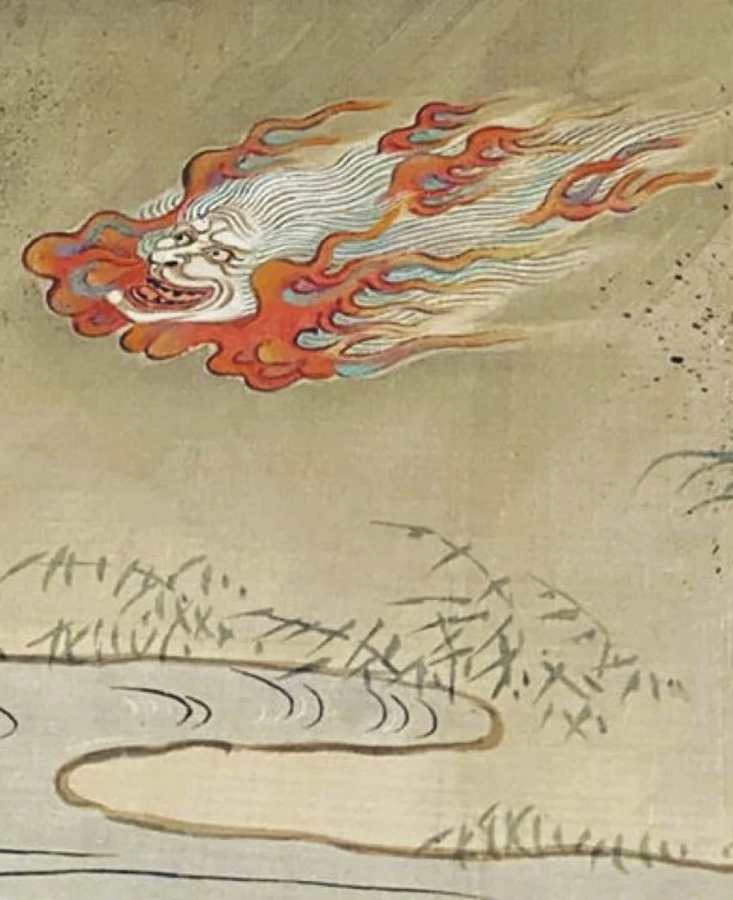
The furaribi is a fire yōkai that appears in Japanese classical yōkai pictures such as in the Gazu Hyakki Yagyō by Sekien Toriyama, the Hyakkai Zukan by Sawaki Suushi, and the Bakemonozukushi by an unknown […]

Entry Furaribi
Description 

The furaribi is a fire yōkai that appears in Japanese classical yōkai pictures such as in the Gazu Hyakki Yagyō by Sekien Toriyama, the Hyakkai Zukan by Sawaki Suushi, and the Bakemonozukushi by an unknown […]

Quick View

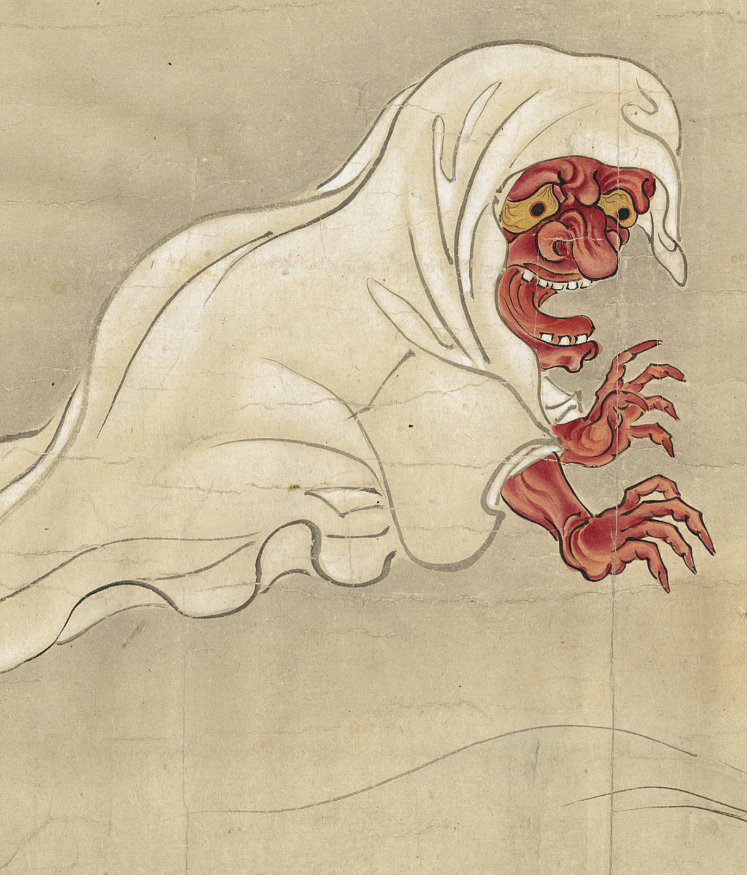
Gagoze

Image of Gagoze
Category Gagoze
Includes 

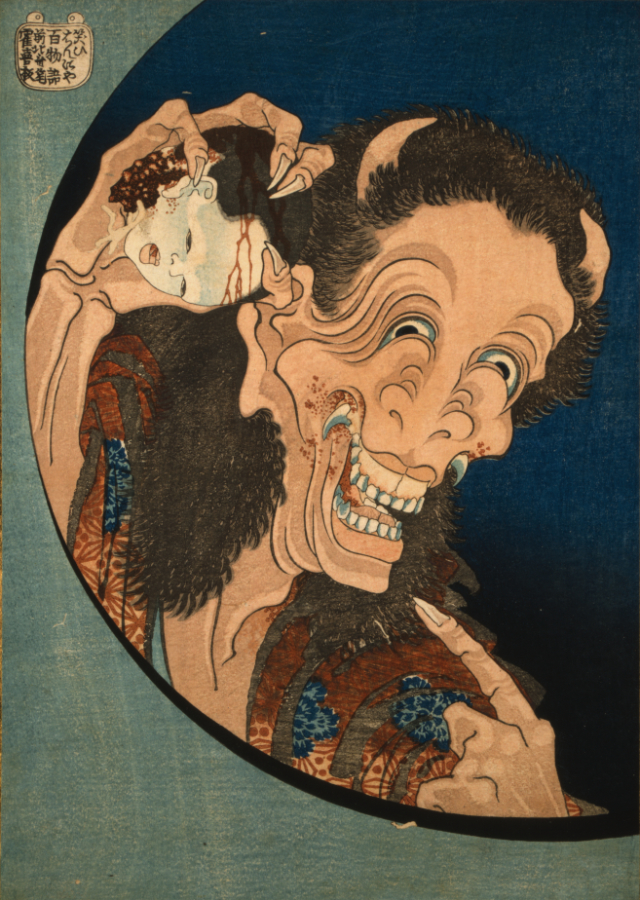
Gagō or Gagoze is a reiki, or demon ghost, which according to legend inhabited the bell tower of Gangō-ji, a temple in Nara Prefecture from which its name is derived. It wears a robe and […]

Entry Gagoze
Description 

Gagō or Gagoze is a reiki, or demon ghost, which according to legend inhabited the bell tower of Gangō-ji, a temple in Nara Prefecture from which its name is derived. It wears a robe and […]

Quick View

Ghost of Anne Boleyn

Image of Ghost of Anne Boleyn
Category Ghost of Anne Boleyn
Includes 

Anne Boleyn (c. 1501 – 19 May 1536) was Queen of England from 1533 to 1536, as the second wife of King Henry VIII. The circumstances of her marriage and of her execution by beheading […]

Entry Ghost of Anne Boleyn
Description 

Anne Boleyn (c. 1501 – 19 May 1536) was Queen of England from 1533 to 1536, as the second wife of King Henry VIII. The circumstances of her marriage and of her execution by beheading […]

Quick View

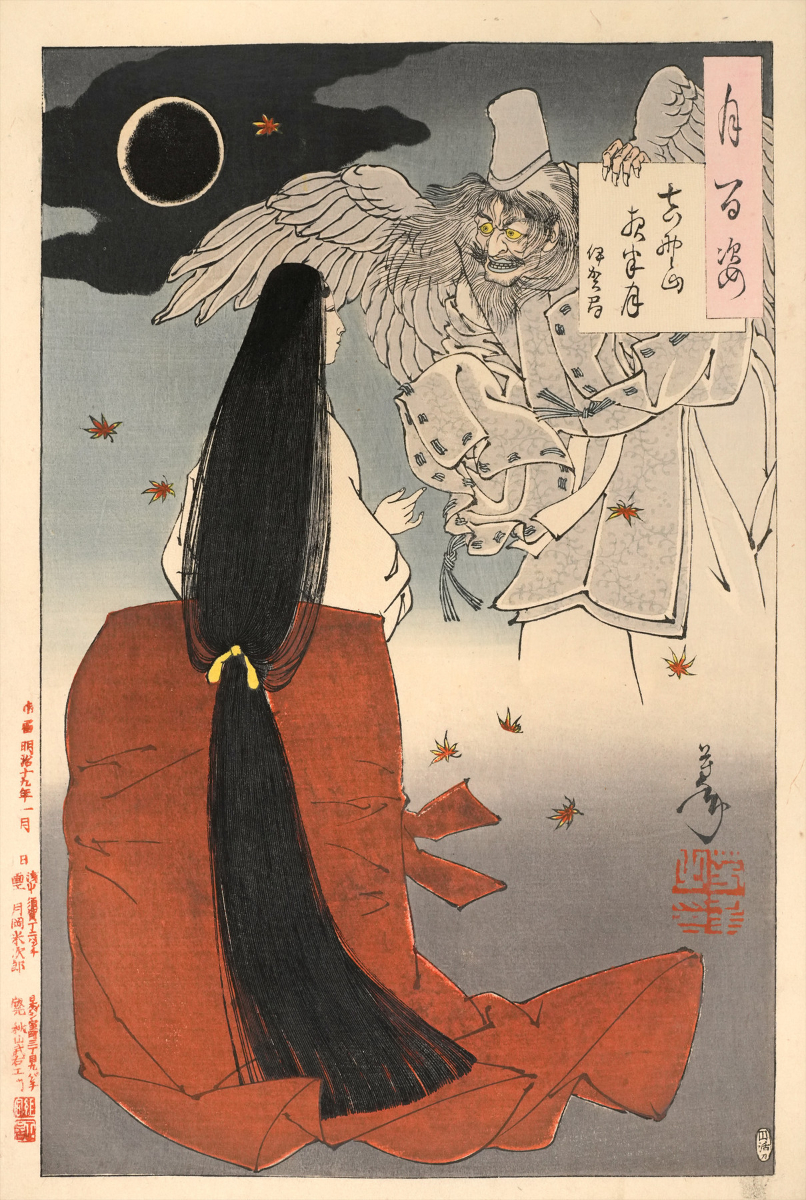
Ghost of Kiyotaka

Image of Ghost of Kiyotaka
Category Ghost of Kiyotaka
Includes 

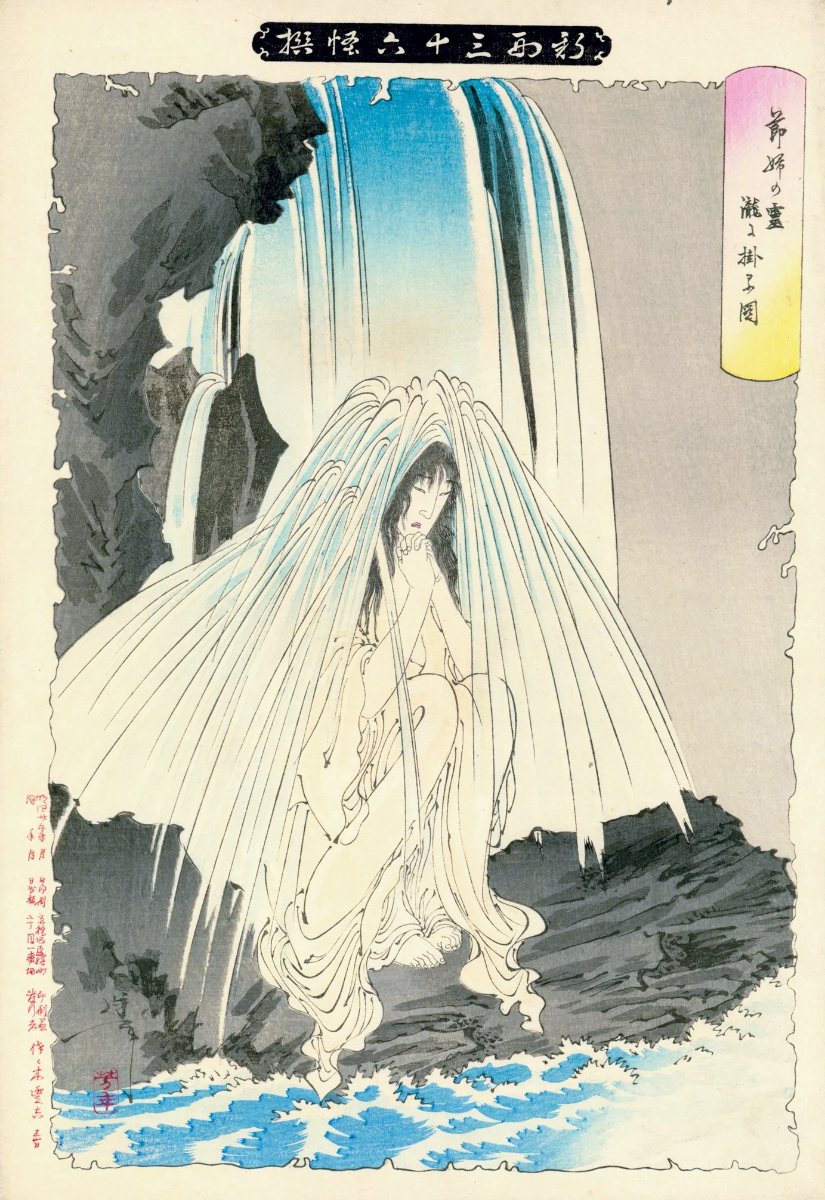
The ghost of Kiyotaka (a traitor to the emperor who had been ordered to commit seppuku) haunted the Imperial Palace at Yoshino. He terrorized the courtiers until the lady-in-waiting Iga-no Tsubone faced the ghost and […]

Entry Ghost of Kiyotaka
Description 

The ghost of Kiyotaka (a traitor to the emperor who had been ordered to commit seppuku) haunted the Imperial Palace at Yoshino. He terrorized the courtiers until the lady-in-waiting Iga-no Tsubone faced the ghost and […]

Quick View

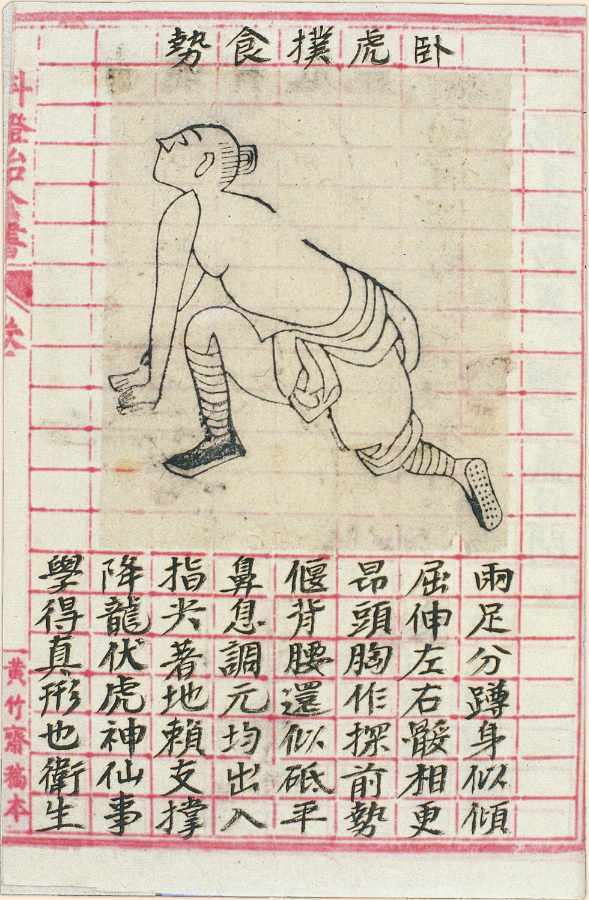
Golden Flower

Image of Golden Flower
Category Golden Flower
Includes 

The Secret of the Golden Flower is a Chinese Taoist book on neidan (inner alchemy) meditation, which also mixes Buddhist teachings with some Confucian thoughts. It was written by means of the spirit-writing (fuji) technique, […]

Entry Golden Flower
Description 

The Secret of the Golden Flower is a Chinese Taoist book on neidan (inner alchemy) meditation, which also mixes Buddhist teachings with some Confucian thoughts. It was written by means of the spirit-writing (fuji) technique, […]

Quick View

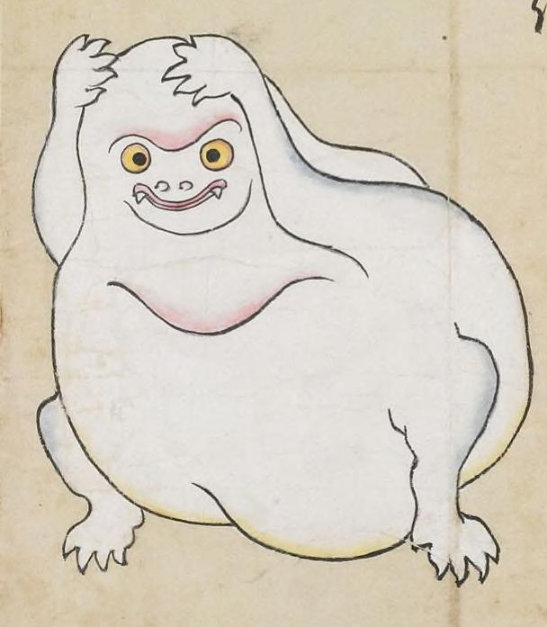
Hajikkaki

Image of Hajikkaki
Category Hajikkaki
Includes 

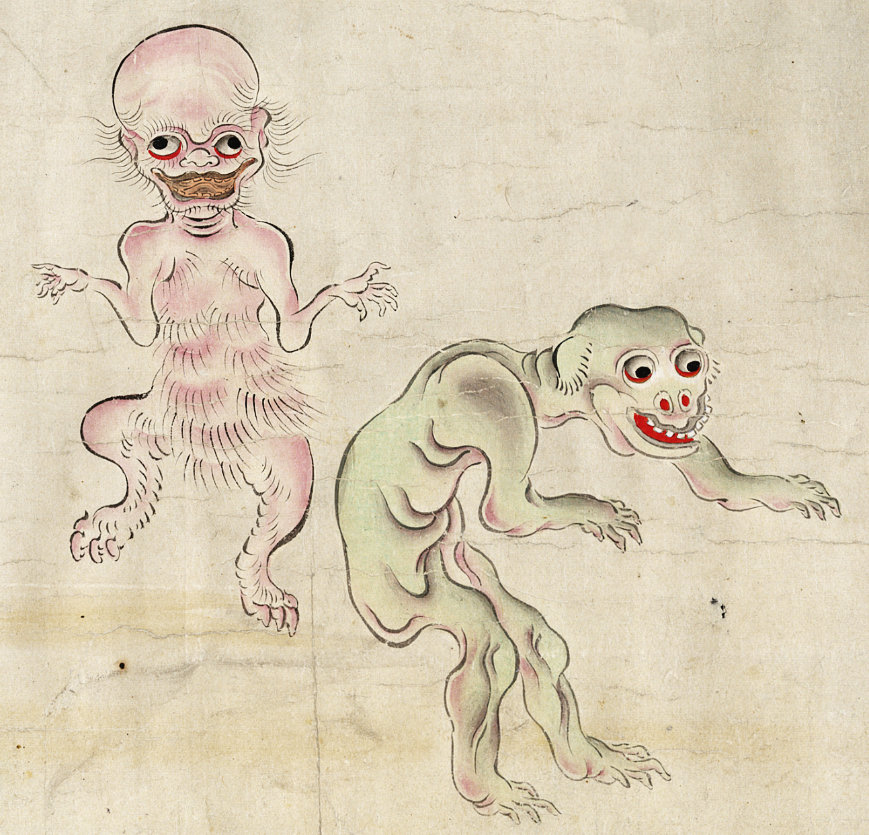
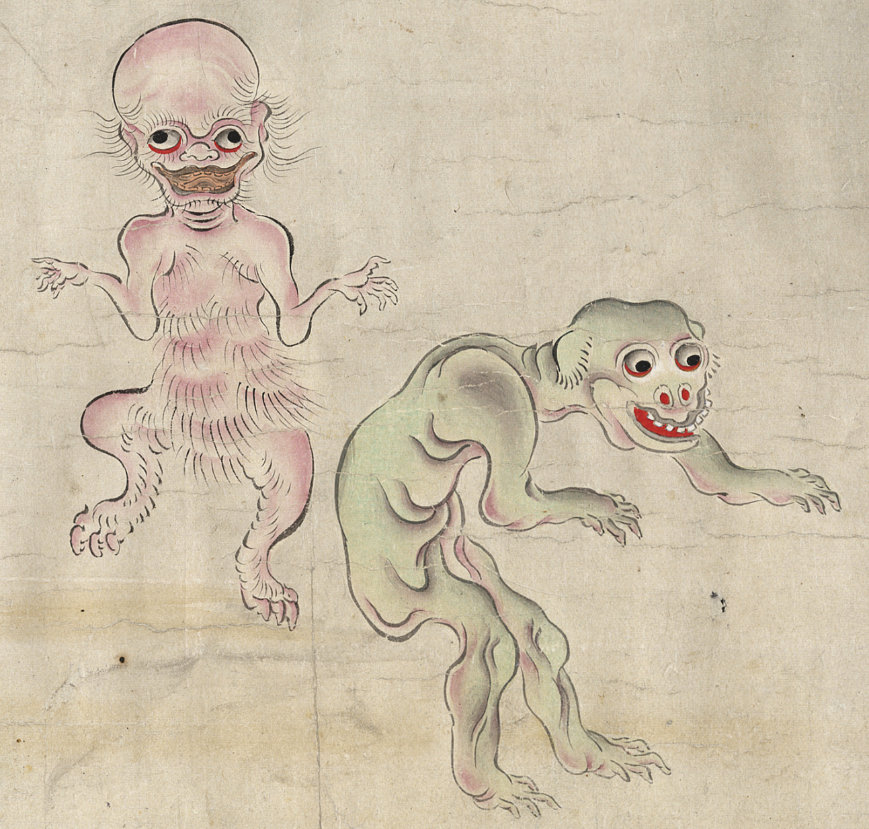
Hajikkaki are pathetic looking yōkai with plump, white, hairless blobby bodies. They have round eyes and protruding fangs. They frequently cover their heads with their hands in a display of shame or embarrassment. Hajikkaki appear […]

Entry Hajikkaki
Description 

Hajikkaki are pathetic looking yōkai with plump, white, hairless blobby bodies. They have round eyes and protruding fangs. They frequently cover their heads with their hands in a display of shame or embarrassment. Hajikkaki appear […]

Quick View

Hell Courtesan

Image of Hell Courtesan
Category Hell Courtesan
Includes 

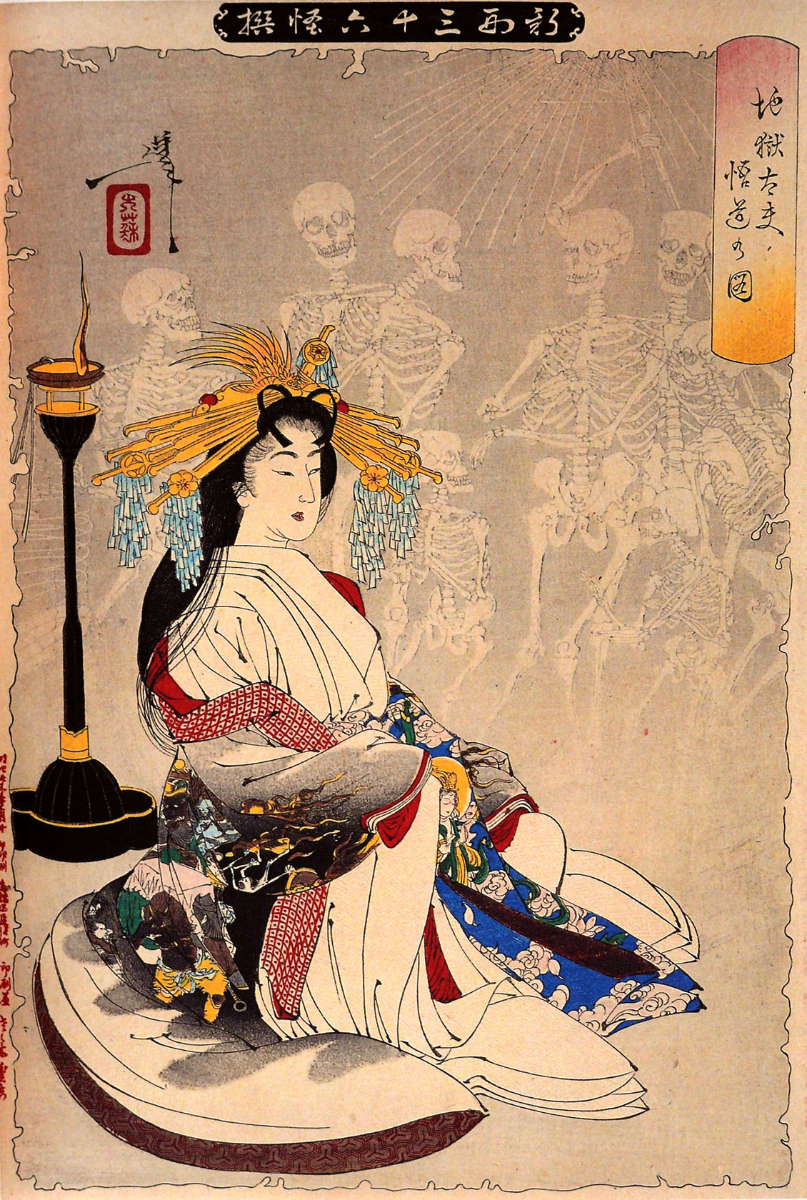
The Hell Courtesan is usually depicted in a dress with the images of hell, the souls of those she condemned, Emma-Ō (one of the kings of hell), horned demons, and bodhissatvas. Kawanabe Kyōsai is depicted […]

Entry Hell Courtesan
Description 

The Hell Courtesan is usually depicted in a dress with the images of hell, the souls of those she condemned, Emma-Ō (one of the kings of hell), horned demons, and bodhissatvas. Kawanabe Kyōsai is depicted […]

Quick View

Heron Maiden

Image of Heron Maiden
Category Heron Maiden
Includes 

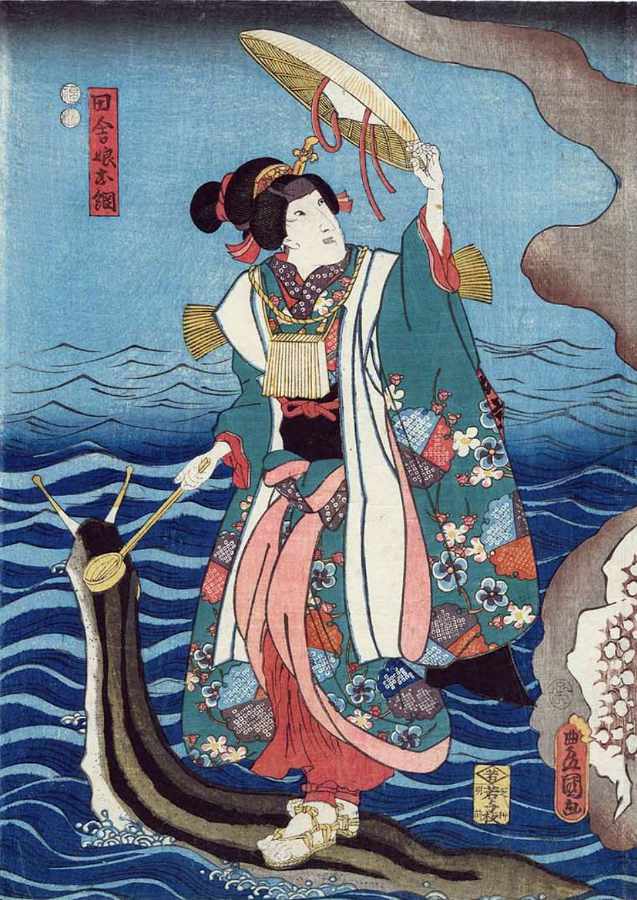
The sweet visage of the Heron Maiden is emphasized by the radiating spires of the umbrella that she carries against the falling snow. She reaches out in greeting towards two herons that cross in front […]

Entry Heron Maiden
Description 

The sweet visage of the Heron Maiden is emphasized by the radiating spires of the umbrella that she carries against the falling snow. She reaches out in greeting towards two herons that cross in front […]

Quick View

Hibernia

Image of Hibernia
Category Hibernia
Includes 

Hibernia as a national personification representing Ireland appeared in numerous cartoons and drawings, especially in the nineteenth century. As depicted in frequent cartoons in Punch, a magazine outspokenly hostile to Irish nationalism, Hibernia was shown […]

Entry Hibernia
Description 

Hibernia as a national personification representing Ireland appeared in numerous cartoons and drawings, especially in the nineteenth century. As depicted in frequent cartoons in Punch, a magazine outspokenly hostile to Irish nationalism, Hibernia was shown […]

Quick View

Hyosube

Image of Hyosube
Category Hyosube
Includes 

Hyōsube is a Japanese yōkai. It is a child-sized river monster from Kyūshū that lives in underwater caves. It prefers to come out at night and loves to eat eggplants. It is a cousin of […]

Entry Hyosube
Description 

Hyōsube is a Japanese yōkai. It is a child-sized river monster from Kyūshū that lives in underwater caves. It prefers to come out at night and loves to eat eggplants. It is a cousin of […]

Quick View

Inugami

Image of Inugami
Category Inugami
Includes 

Inugami, like kitsunetsuki, is a spiritual possession by the spirit of a dog, widely known about in western Japan. The phenomenon of inugami spiritual possession was a kojutsu (also called “kodō” or “kodoku”, a greatly […]

Entry Inugami
Description 

Inugami, like kitsunetsuki, is a spiritual possession by the spirit of a dog, widely known about in western Japan. The phenomenon of inugami spiritual possession was a kojutsu (also called “kodō” or “kodoku”, a greatly […]

Quick View

Jiraiya

Image of Jiraiya
Category Jiraiya
Includes 

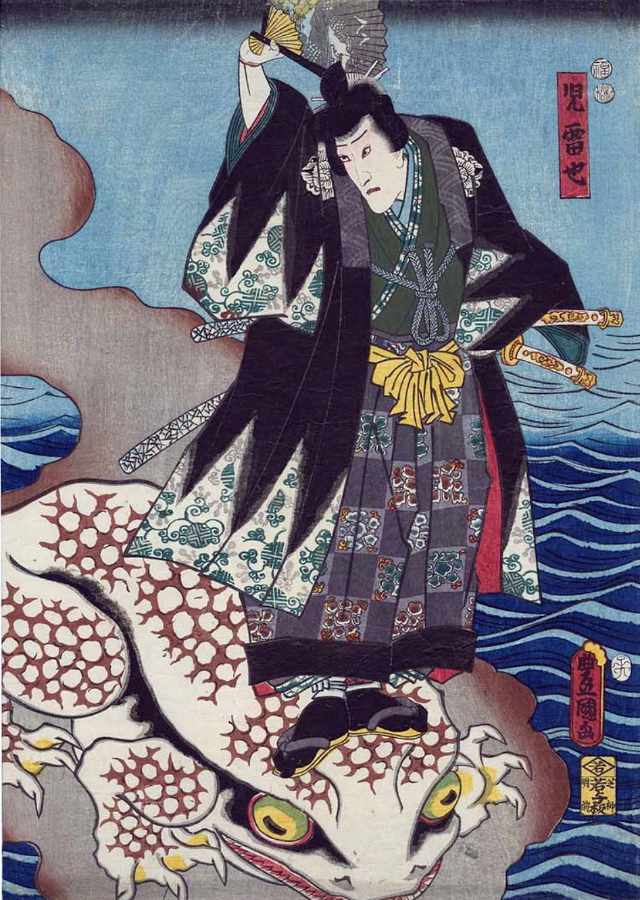
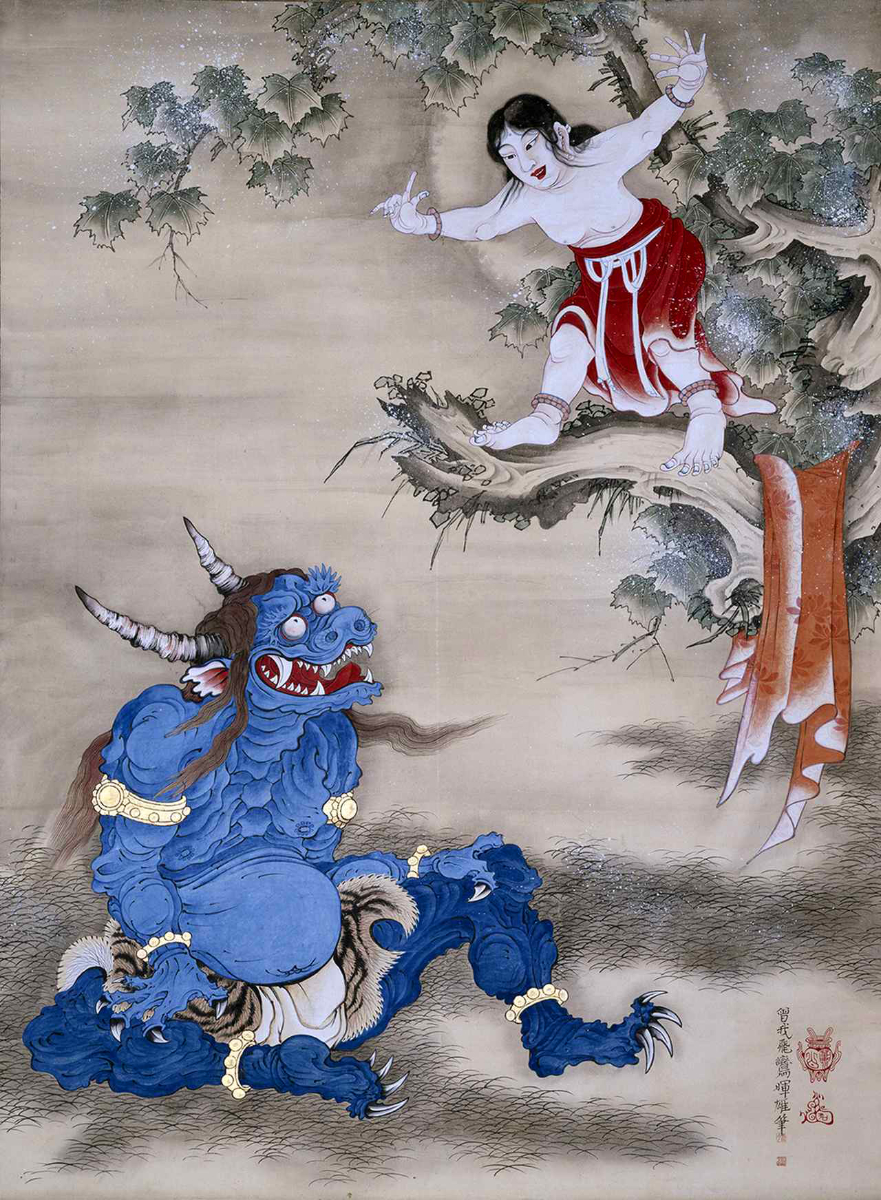
Jiraiya (自来也 or 児雷也, literally “Young Thunder”), originally known as Ogata Shuma Hiroyuki (尾形周馬寛行), is the toad-riding protagonist of the Japanese folk tale Katakiuchi Kidan Jiraiya Monogatari (報仇奇談自来也説話) “The Tale of the Gallant Jiraiya”). Jiraiya’s […]

Entry Jiraiya
Description 

Jiraiya (自来也 or 児雷也, literally “Young Thunder”), originally known as Ogata Shuma Hiroyuki (尾形周馬寛行), is the toad-riding protagonist of the Japanese folk tale Katakiuchi Kidan Jiraiya Monogatari (報仇奇談自来也説話) “The Tale of the Gallant Jiraiya”). Jiraiya’s […]

Quick View

Jorogumo

Image of Jorogumo
Category Jorogumo
Includes 

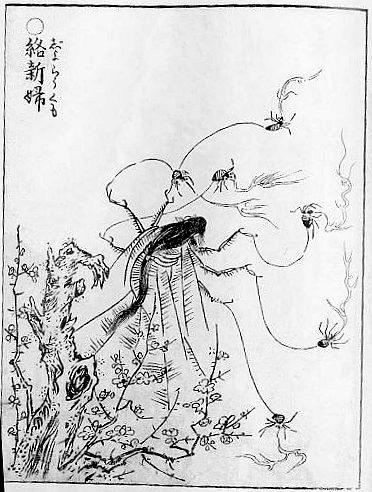
Jorōgumo is a type of yōkai, a creature of Japanese folklore. It can shapeshift into a beautiful woman, so the kanji that represent its actual meaning are 女郎蜘蛛 (lit. ’woman-spider’); the kanji which are used to […]

Entry Jorogumo
Description 

Jorōgumo is a type of yōkai, a creature of Japanese folklore. It can shapeshift into a beautiful woman, so the kanji that represent its actual meaning are 女郎蜘蛛 (lit. ’woman-spider’); the kanji which are used to […]

Quick View

Kamikiri

Image of Kamikiri
Category Kamikiri
Includes 

Kamikiri, the “hair-cutter”, is a Japanese yōkai said to secretly cut people’s hair on the head. They were rumored from time to time in the urban areas of the Edo Period, and can sporadically be […]

Entry Kamikiri
Description 

Kamikiri, the “hair-cutter”, is a Japanese yōkai said to secretly cut people’s hair on the head. They were rumored from time to time in the urban areas of the Edo Period, and can sporadically be […]

Quick View

Kappa

Image of Kappa
Category Kappa
Includes 

In traditional Japanese folklore a kappa, “river-child”… is a reptiloid kami with similarities to yōkai. Kappa can become harmful when not respected as gods. Accounts typically depict them as green, human-like beings with webbed hands […]

Entry Kappa
Description 

In traditional Japanese folklore a kappa, “river-child”… is a reptiloid kami with similarities to yōkai. Kappa can become harmful when not respected as gods. Accounts typically depict them as green, human-like beings with webbed hands […]

Quick View

Kasha

Image of Kasha
Category Kasha
Includes 

The kasha is a Japanese yōkai that steals the corpses of those who have died as a result of accumulating evil deeds. Kasha are yōkai that would steal corpses from funerals and cemeteries, and what […]

Entry Kasha
Description 

The kasha is a Japanese yōkai that steals the corpses of those who have died as a result of accumulating evil deeds. Kasha are yōkai that would steal corpses from funerals and cemeteries, and what […]

Quick View

Kirigakure Saizō

Image of Kirigakure Saizō
Category Kirigakure Saizō
Includes 

Kirigakure Saizō (霧隠才蔵) was a legendary ninja of the final phase of the Sengoku period of Japan. In the folklore he is one of the Sanada Ten Braves, and next to Sarutobi Sasuke, he is […]

Entry Kirigakure Saizō
Description 

Kirigakure Saizō (霧隠才蔵) was a legendary ninja of the final phase of the Sengoku period of Japan. In the folklore he is one of the Sanada Ten Braves, and next to Sarutobi Sasuke, he is […]

Quick View

Konaki-jijii

Image of Konaki-jijii
Category Konaki-jijii
Includes 

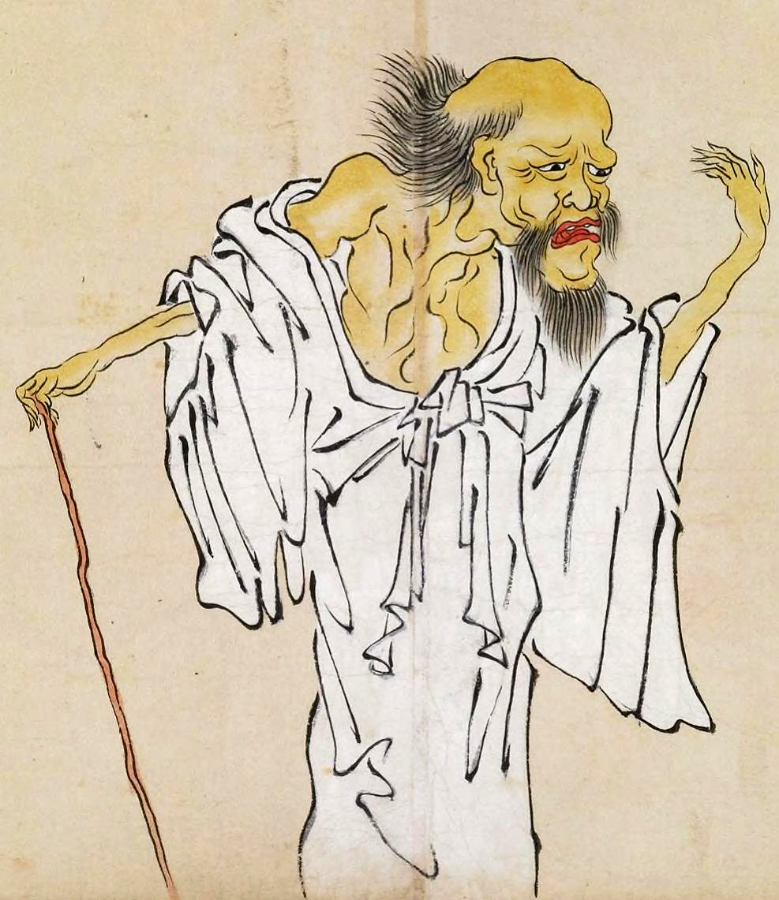
Konaki jijii are mountain-dwelling spirits who look like old human men. They carry walking sticks and wear straw raincoats on top of over-sized baby clothes. Konaki jijii get their name from their distinctive habit of […]

Entry Konaki-jijii
Description 

Konaki jijii are mountain-dwelling spirits who look like old human men. They carry walking sticks and wear straw raincoats on top of over-sized baby clothes. Konaki jijii get their name from their distinctive habit of […]

Quick View

Loogaroo

Image of Moses Nebogipfel
Category Loogaroo
Includes 

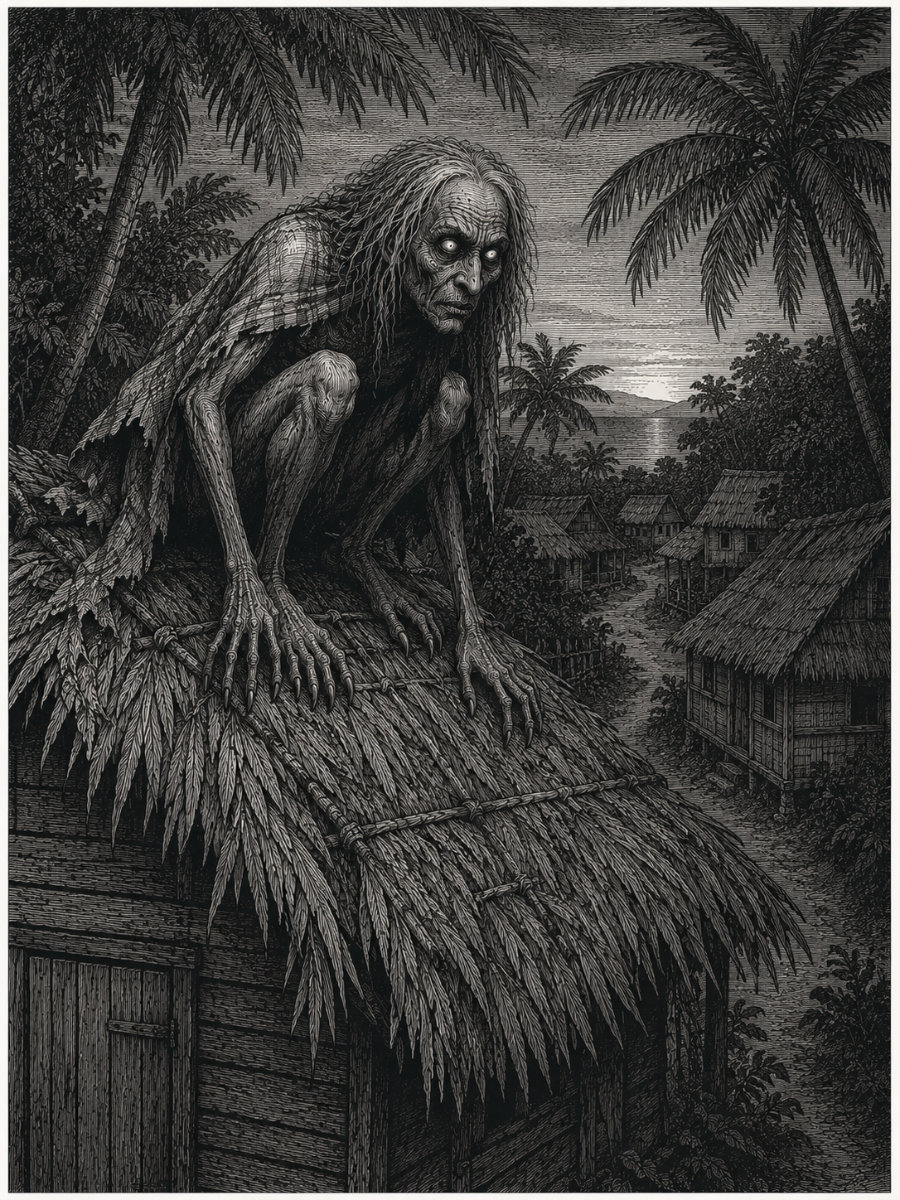
The soucouyant or soucriant in Dominica, St. Lucian, Trinidadian, Guadeloupean folklore, also known as Loogaroo or Lougarou in Haiti, Louisiana, Grenada and elsewhere in the Caribbean, or Ole-Higue (also Ole Haig) in Guyana, Belize, and […]

Entry Loogaroo
Description 

The soucouyant or soucriant in Dominica, St. Lucian, Trinidadian, Guadeloupean folklore, also known as Loogaroo or Lougarou in Haiti, Louisiana, Grenada and elsewhere in the Caribbean, or Ole-Higue (also Ole Haig) in Guyana, Belize, and […]

Quick View

Mehitotsubo

Image of Mehitotsubo
Category Mehitotsubo
Includes 

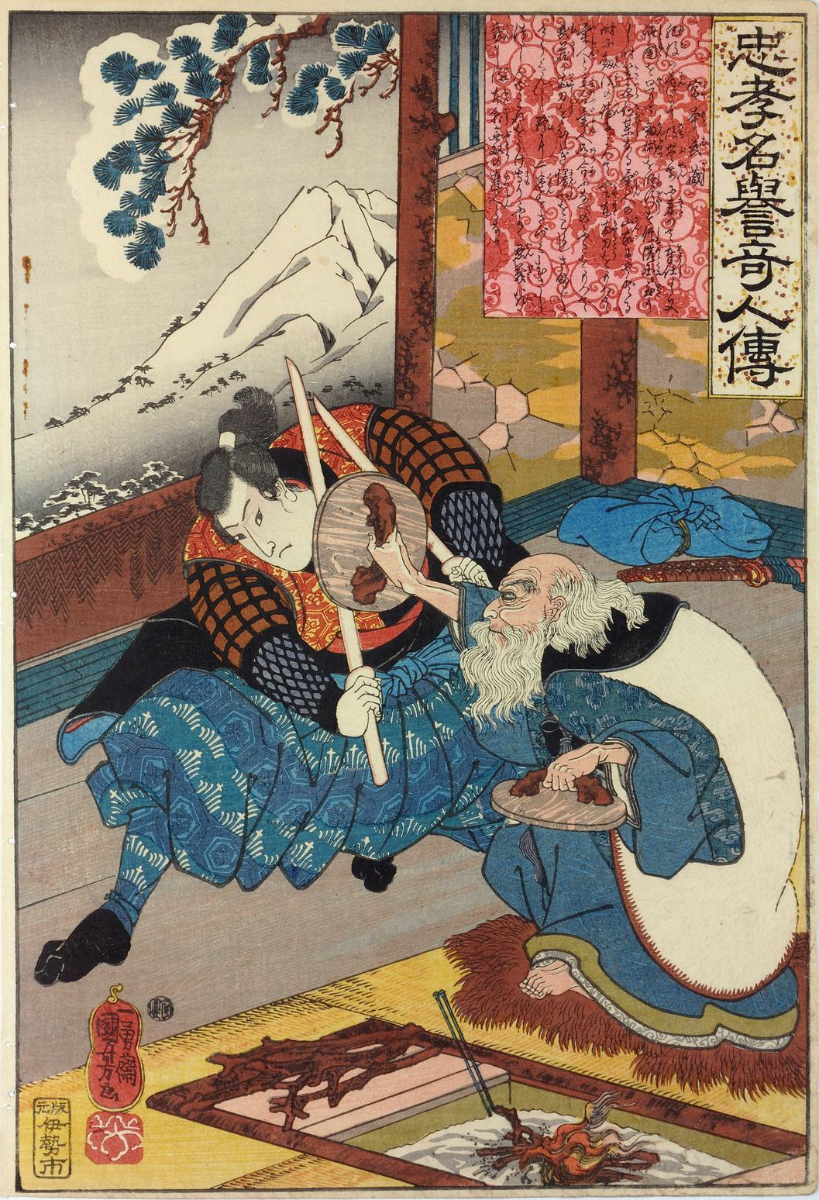
Mehitotsubō means “Buddhist priest with one eye”. Everything about his appearance is like a normal priest, except for the one eye in the middle of his face. He wears the black-and-white robes of a priest. […]

Entry Mehitotsubo
Description 

Mehitotsubō means “Buddhist priest with one eye”. Everything about his appearance is like a normal priest, except for the one eye in the middle of his face. He wears the black-and-white robes of a priest. […]

Quick View

Mi-no-kedachi

Image of Mi-no-kedachi
Category Mi-no-kedachi
Includes 

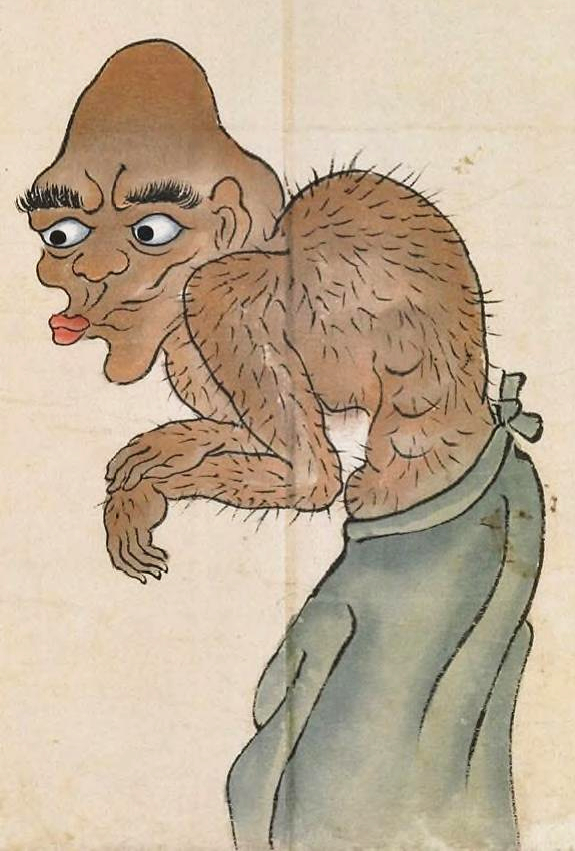
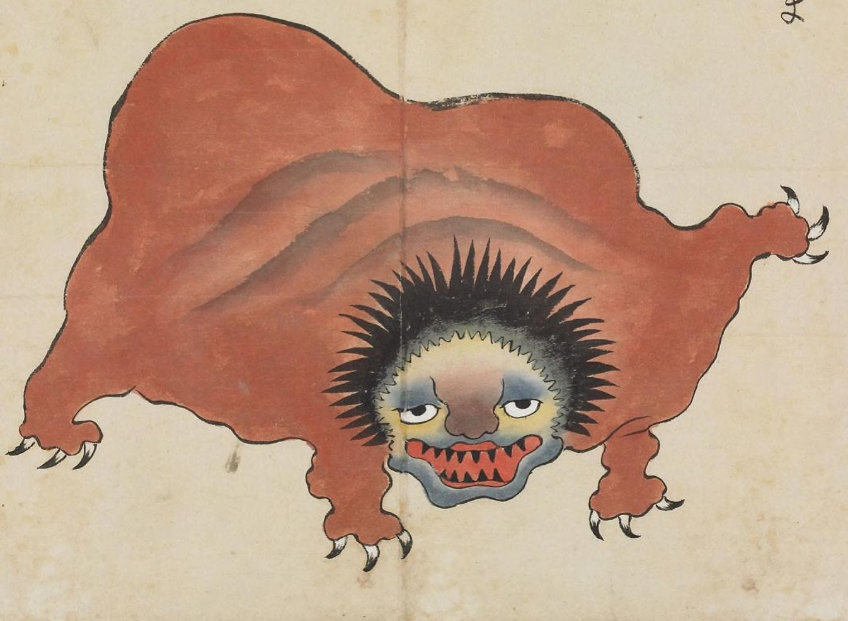
Minokedachi are ugly spirits which resemble hairy old men. Their bodies are covered in short, bristly hairs which stand up on end–the feature which this yōkai is named for. Their backs are hunched over, their […]

Entry Mi-no-kedachi
Description 

Minokedachi are ugly spirits which resemble hairy old men. Their bodies are covered in short, bristly hairs which stand up on end–the feature which this yōkai is named for. Their backs are hunched over, their […]

Quick View

Miranda

Image of Miranda
Category Miranda
Includes 

Miranda is one of the principal characters of William Shakespeare’s The Tempest. She is the only female character to appear on stage. Miranda is the daughter of Prospero, another of the main characters of The […]

Entry Miranda
Description 

Miranda is one of the principal characters of William Shakespeare’s The Tempest. She is the only female character to appear on stage. Miranda is the daughter of Prospero, another of the main characters of The […]

Quick View

Miyamoto Musashi

Image of Miyamoto Musashi
Category Miyamoto Musashi
Includes 

Miyamoto Musashi (宮本 武蔵, c. 1584 – 13 June 1645) was a Japanese swordsman, strategist, artist, and writer who became renowned through stories of his unique double-bladed swordsmanship and undefeated record in his 62 duels. Miyamoto […]

Entry Miyamoto Musashi
Description 

Miyamoto Musashi (宮本 武蔵, c. 1584 – 13 June 1645) was a Japanese swordsman, strategist, artist, and writer who became renowned through stories of his unique double-bladed swordsmanship and undefeated record in his 62 duels. Miyamoto […]

Quick View

Nekomata

Image of Nekomata
Category Nekomata
Includes 

Nekomata are Japanese yōkai said to have transformed from old and large cats. Some of the defining physical characteristics of the nekomata are that when these cats transform from ordinary animals into yōkai, their tails […]

Entry Nekomata
Description 

Nekomata are Japanese yōkai said to have transformed from old and large cats. Some of the defining physical characteristics of the nekomata are that when these cats transform from ordinary animals into yōkai, their tails […]

Quick View

Nikki Danjo

Image of Nikki Danjo
Category Nikki Danjo
Includes 

Actor portraying Nikki Danjō, a villain from the kabuki play Sendai Hagi. Shown with hands in a kuji-in seal, which allows him to transform into a giant rat. Woodblock print on paper. Kunisada, 1857. Alias […]

Entry Nikki Danjo
Description 

Actor portraying Nikki Danjō, a villain from the kabuki play Sendai Hagi. Shown with hands in a kuji-in seal, which allows him to transform into a giant rat. Woodblock print on paper. Kunisada, 1857. Alias […]

Quick View

Nobusuma

Image of Nobusuma
Category Nobusuma
Includes 

A bat which lives to a very old age develops magical powers and changes into a yōkai known as a nobusuma. They look almost identical to musasabi, or Japanese giant flying squirrels, although they are […]

Entry Nobusuma
Description 

A bat which lives to a very old age develops magical powers and changes into a yōkai known as a nobusuma. They look almost identical to musasabi, or Japanese giant flying squirrels, although they are […]

Quick View

Nuppeppo

Image of Nuppeppo
Category Nuppeppo
Includes 

The nuppeppō is a yōkai that appears in Edo Period yōkai emaki such as the Gazu Hyakki Yagyō and the Hyakkai Zukan. It is depicted with indistinguishable wrinkles on its face and body as a […]

Entry Nuppeppo
Description 

The nuppeppō is a yōkai that appears in Edo Period yōkai emaki such as the Gazu Hyakki Yagyō and the Hyakkai Zukan. It is depicted with indistinguishable wrinkles on its face and body as a […]

Quick View

Nurarihyon

Image of Nurarihyon
Category Nurarihyon
Includes 

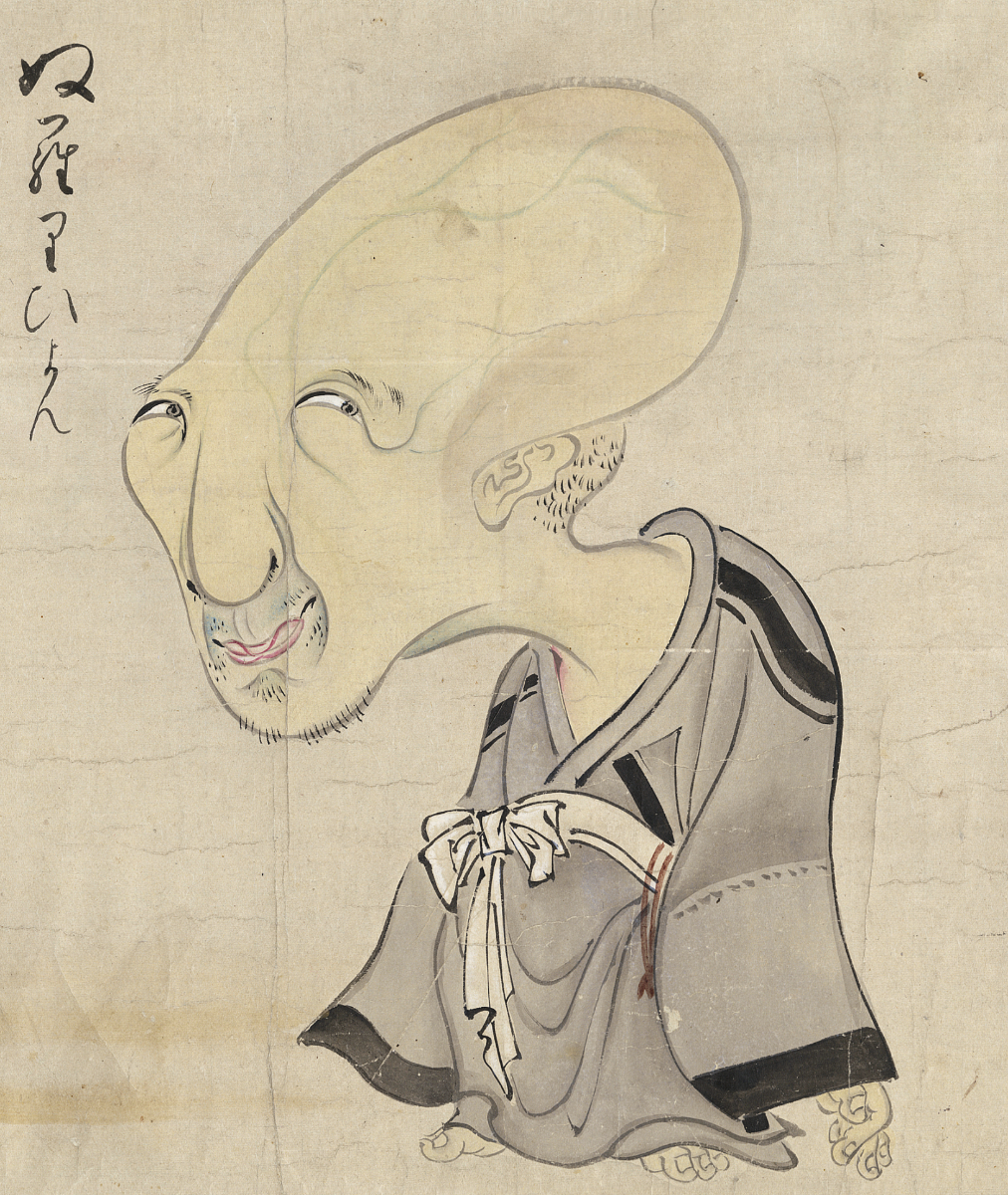
Nurarihyon is a Japanese yōkai. Generally, like the hyōtannamazu, they are considered a monster that cannot be caught. One can find that it often appears in the yōkai emaki of the Edo Period, but any […]

Entry Nurarihyon
Description 

Nurarihyon is a Japanese yōkai. Generally, like the hyōtannamazu, they are considered a monster that cannot be caught. One can find that it often appears in the yōkai emaki of the Edo Period, but any […]

Quick View

Nure-onna

Image of Nure-onna
Category Nure-onna
Includes 

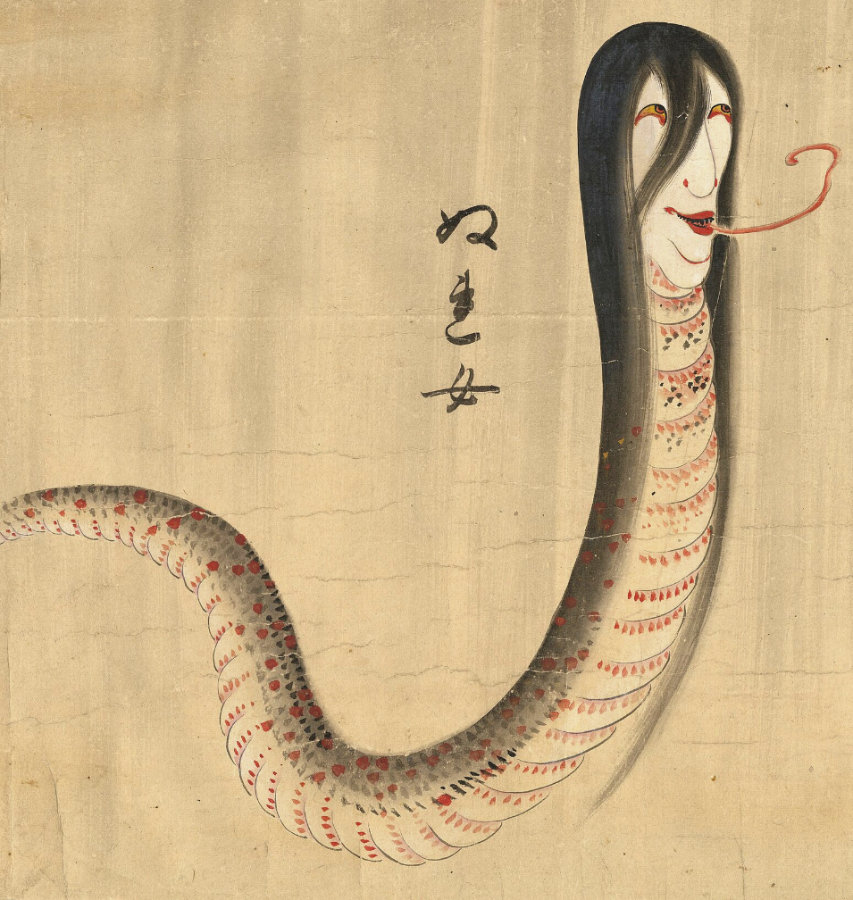
Nure-onna, a “wet woman”, looks like a reptile with a snake-like body and a woman’s head. Nure-onna tends to be a combination of sea serpent and vampire. She roams open waters such as oceans, rivers, […]

Entry Nure-onna
Description 

Nure-onna, a “wet woman”, looks like a reptile with a snake-like body and a woman’s head. Nure-onna tends to be a combination of sea serpent and vampire. She roams open waters such as oceans, rivers, […]

Quick View

Nuribotoke

Image of Nuribotoke
Category Nuribotoke
Includes 

The Nuribotoke is a yōkai found in Japanese yōkai emaki such as the Hyakkai Zukan by Sawaki Suushi. They are also depicted in the Gazu Hyakki Yagyō by Toriyama Sekien. They are depicted as an […]

Entry Nuribotoke
Description 

The Nuribotoke is a yōkai found in Japanese yōkai emaki such as the Hyakkai Zukan by Sawaki Suushi. They are also depicted in the Gazu Hyakki Yagyō by Toriyama Sekien. They are depicted as an […]

Quick View

Nurikabe

Image of Nurikabe
Category Nurikabe
Includes 

The nurikabe is a yōkai, or spirit, from Japanese folklore. Its name translates to “plaster wall”, and it is said to manifest as an invisible wall that impedes or misdirects travelers walking at night. Sometimes […]

Entry Nurikabe
Description 

The nurikabe is a yōkai, or spirit, from Japanese folklore. Its name translates to “plaster wall”, and it is said to manifest as an invisible wall that impedes or misdirects travelers walking at night. Sometimes […]

Quick View

Obake

Image of Obake
Category Obake
Includes 

Obake and bakemono are a class of yōkai, preternatural creatures in Japanese folklore. Literally, the terms mean a thing that changes, referring to a state of transformation or shapeshifting. These words are often translated as […]

Entry Obake
Description 

Obake and bakemono are a class of yōkai, preternatural creatures in Japanese folklore. Literally, the terms mean a thing that changes, referring to a state of transformation or shapeshifting. These words are often translated as […]

Quick View

Oni

Image of Oni
Category Oni
Includes 

An oni (鬼) is a kind of yōkai, demon, orc, ogre, or troll in Japanese folklore. They are believed to live in caves or deep in the mountains or in the hell. Oni are known […]

Entry Oni
Description 

An oni (鬼) is a kind of yōkai, demon, orc, ogre, or troll in Japanese folklore. They are believed to live in caves or deep in the mountains or in the hell. Oni are known […]

Quick View

Orochimaru

Image of Orochimaru
Category Orochimaru
Includes 

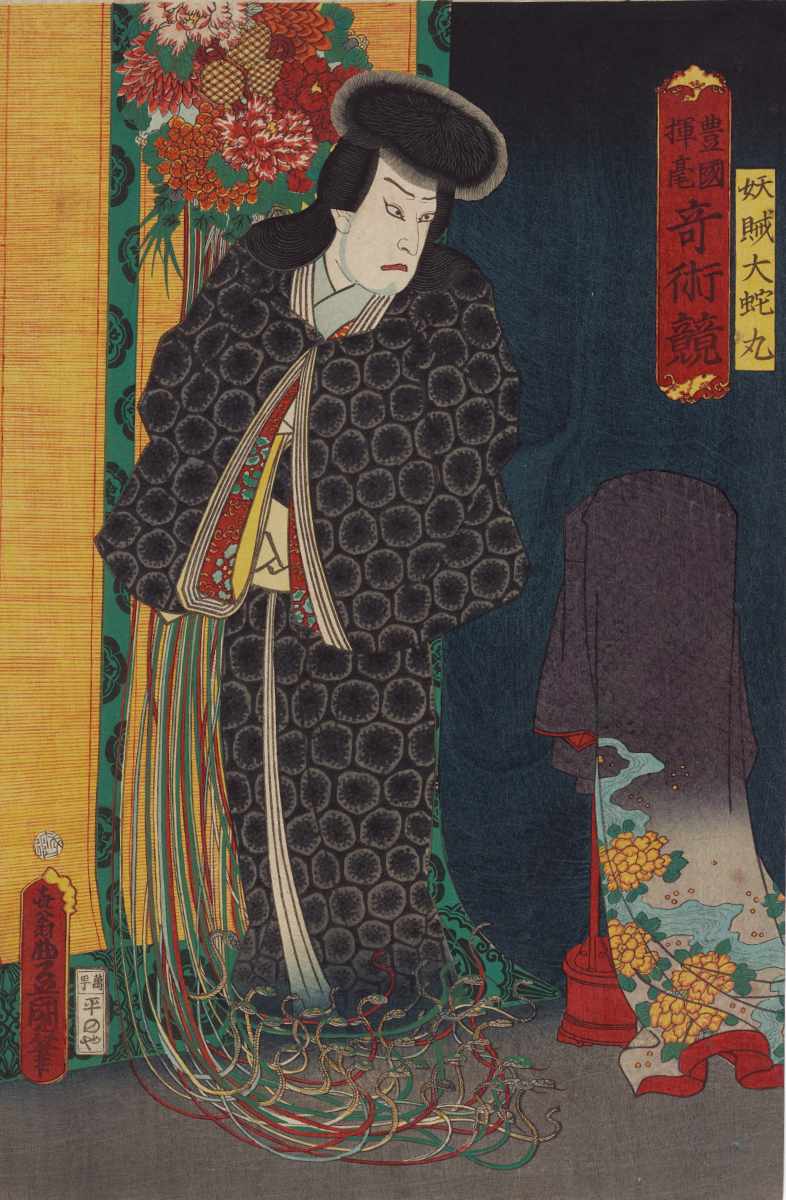
Orochimaru (大蛇丸), featured in the Japanese folktale Jiraiya Gōketsu Monogatari (The Tale of the Gallant Jiraiya), is the archenemy of the ninja Jiraiya. He was once named Yashagorō (夜叉五郎) and was one of Jiraiya’s followers, […]

Entry Orochimaru
Description 

Orochimaru (大蛇丸), featured in the Japanese folktale Jiraiya Gōketsu Monogatari (The Tale of the Gallant Jiraiya), is the archenemy of the ninja Jiraiya. He was once named Yashagorō (夜叉五郎) and was one of Jiraiya’s followers, […]

Quick View

Otsuji

Image of Otsuji
Category Otsuji
Includes 

In the Kabuki version of the story, Gentazaemon arranged for Botaro to be sent to a remote temple where he intended to have him killed. Botaro’s nurse, Otsuji, was aware of the danger but could […]

Entry Otsuji
Description 

In the Kabuki version of the story, Gentazaemon arranged for Botaro to be sent to a remote temple where he intended to have him killed. Botaro’s nurse, Otsuji, was aware of the danger but could […]

Quick View

Otsuyu

Image of Otsuyu
Category Otsuyu
Includes 

In the Kabuki version of a Japanese ghost story (kaidan), a young student named Saburo falls in love with a beautiful woman named Otsuyu, the daughter of his father’s best friend. They meet secretly, and […]

Entry Otsuyu
Description 

In the Kabuki version of a Japanese ghost story (kaidan), a young student named Saburo falls in love with a beautiful woman named Otsuyu, the daughter of his father’s best friend. They meet secretly, and […]

Quick View

Ouni

Image of Ouni
Category Ouni
Includes 

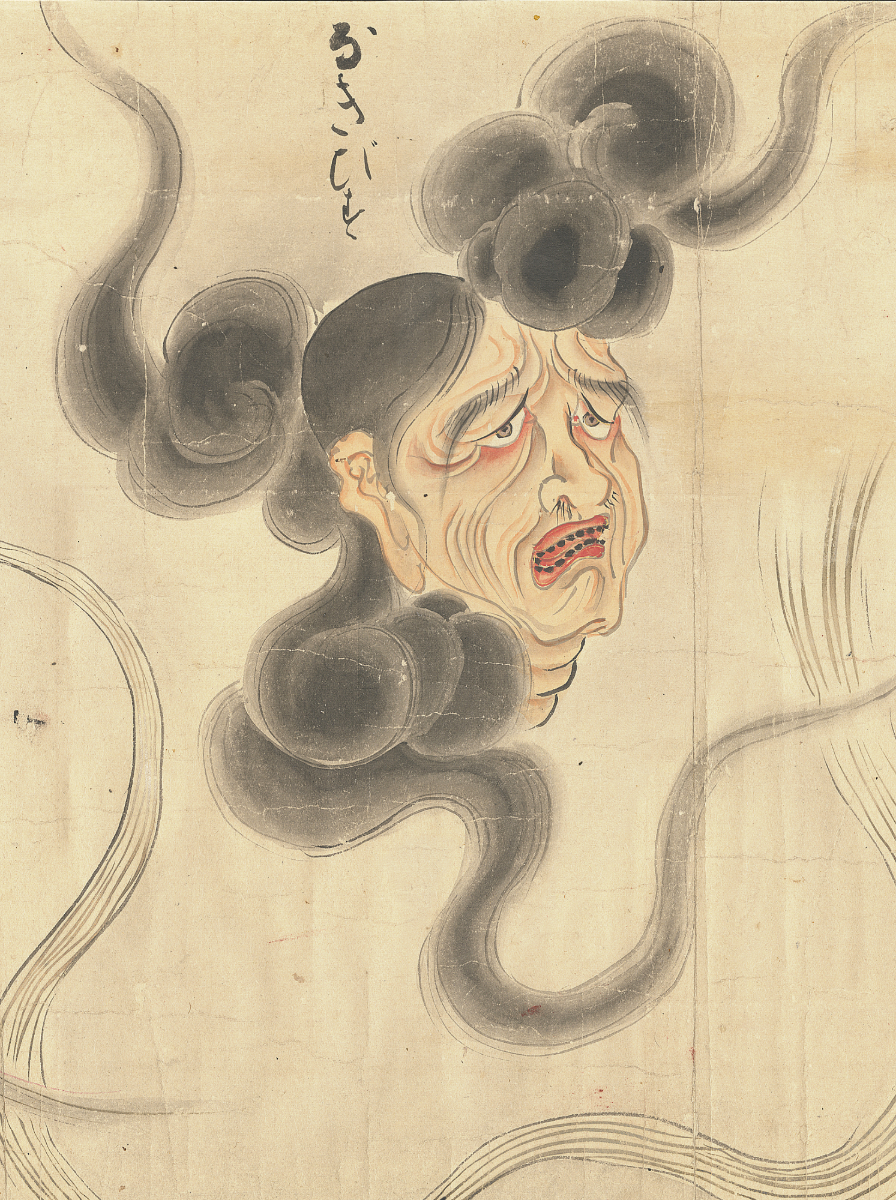
Ouni looks like an ugly old woman with an angry face and a body covered in long, black hair. She is a kind of yamauba, or mountain hag. She lives deep in the mountains, away […]

Entry Ouni
Description 

Ouni looks like an ugly old woman with an angry face and a body covered in long, black hair. She is a kind of yamauba, or mountain hag. She lives deep in the mountains, away […]

Quick View

Oyajirome

Image of Oyajirome
Category Oyajirome
Includes 

Remember back in elementary school when your teacher used to say that she had eyes in the back of her head? Well, you might not be surprised by this, but there’s a yokai for that! […]

Entry Oyajirome
Description 

Remember back in elementary school when your teacher used to say that she had eyes in the back of her head? Well, you might not be surprised by this, but there’s a yokai for that! […]

Quick View

Porthos

Image of Porthos
Category Porthos
Includes 

Porthos, Baron du Vallon de Bracieux de Pierrefonds is a fictional character in the novels The Three Musketeers (1844), Twenty Years After (1845), and The Vicomte de Bragelonne (1847–1850) by Alexandre Dumas, père. He and […]

Entry Porthos
Description 

Porthos, Baron du Vallon de Bracieux de Pierrefonds is a fictional character in the novels The Three Musketeers (1844), Twenty Years After (1845), and The Vicomte de Bragelonne (1847–1850) by Alexandre Dumas, père. He and […]

Quick View

Prospero

Image of Prospero
Category Prospero
Includes 

Prospero is the protagonist of William Shakespeare’s play The Tempest. Prospero is the rightful Duke of Milan, whose usurping brother, Antonio, had put him (with his three-year-old daughter, Miranda) to sea on a “rotten carcass” […]

Entry Prospero
Description 

Prospero is the protagonist of William Shakespeare’s play The Tempest. Prospero is the rightful Duke of Milan, whose usurping brother, Antonio, had put him (with his three-year-old daughter, Miranda) to sea on a “rotten carcass” […]

Quick View

Rokurokubi

Image of Rokurokubi
Category Rokurokubi
Includes 

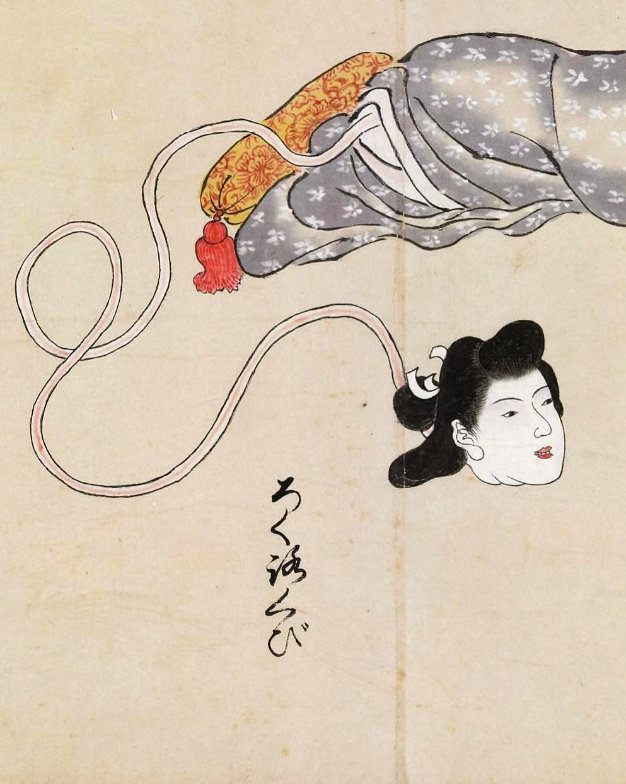
Rokurokubi is a type of Japanese yōkai (apparition). They look almost completely like humans with some differences. There is a type whose neck stretches and another whose head detaches and flies around freely (nukekubi). The […]

Entry Rokurokubi
Description 

Rokurokubi is a type of Japanese yōkai (apparition). They look almost completely like humans with some differences. There is a type whose neck stretches and another whose head detaches and flies around freely (nukekubi). The […]

Quick View

Sakabashira

Image of Sakabashira
Category Sakabashira
Includes 

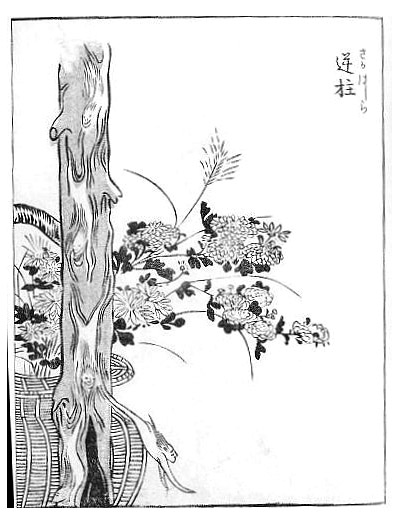
Sakabashira is a folk belief about wooden structures in Japan, and it refers to reversing the vertical direction of a tree from its original direction of growth when using it to make a pillar in […]

Entry Sakabashira
Description 

Sakabashira is a folk belief about wooden structures in Japan, and it refers to reversing the vertical direction of a tree from its original direction of growth when using it to make a pillar in […]

Quick View

Sanada Yukimura

Image of Sanada Yukimura
Category Sanada Yukimura
Includes 

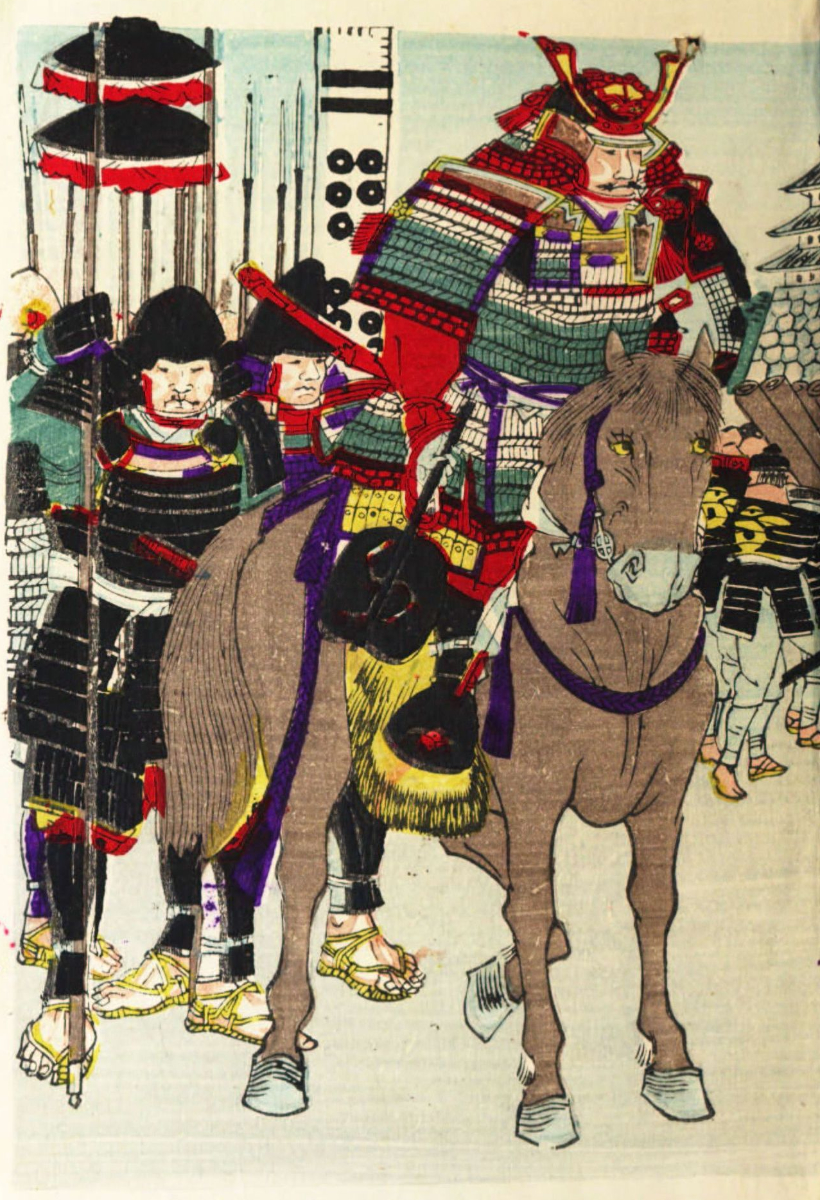
Sanada Nobushige (真田 信繁, 1567 – June 3, 1615), also known as Sanada Yukimura (真田 幸村), was a Japanese samurai warrior of the Sengoku period. He was especially known as the leading general on the […]

Entry Sanada Yukimura
Description 

Sanada Nobushige (真田 信繁, 1567 – June 3, 1615), also known as Sanada Yukimura (真田 幸村), was a Japanese samurai warrior of the Sengoku period. He was especially known as the leading general on the […]

Quick View

Sancho Panza

Image of Sancho Panza
Category Sancho Panza
Includes 

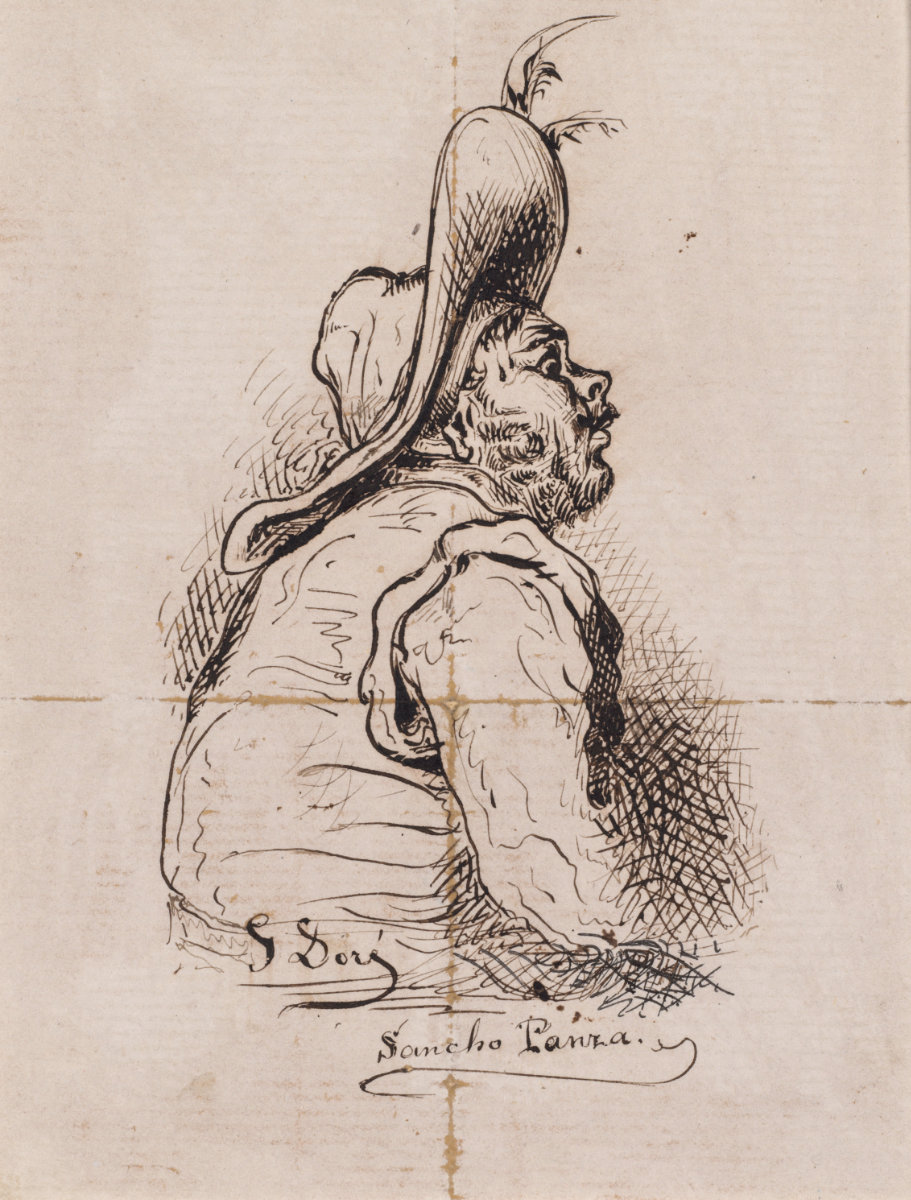
Before a fit of madness turned Alonso Quijano into Don Quixote, Sancho Panza was indeed his servant. When the novel begins, Sancho has been married for a long time to a woman named Teresa Cascajo […]

Entry Sancho Panza
Description 

Before a fit of madness turned Alonso Quijano into Don Quixote, Sancho Panza was indeed his servant. When the novel begins, Sancho has been married for a long time to a woman named Teresa Cascajo […]

Quick View

Sarutobi Sasuke

Image of Sarutobi Sasuke
Category Sarutobi Sasuke
Includes 

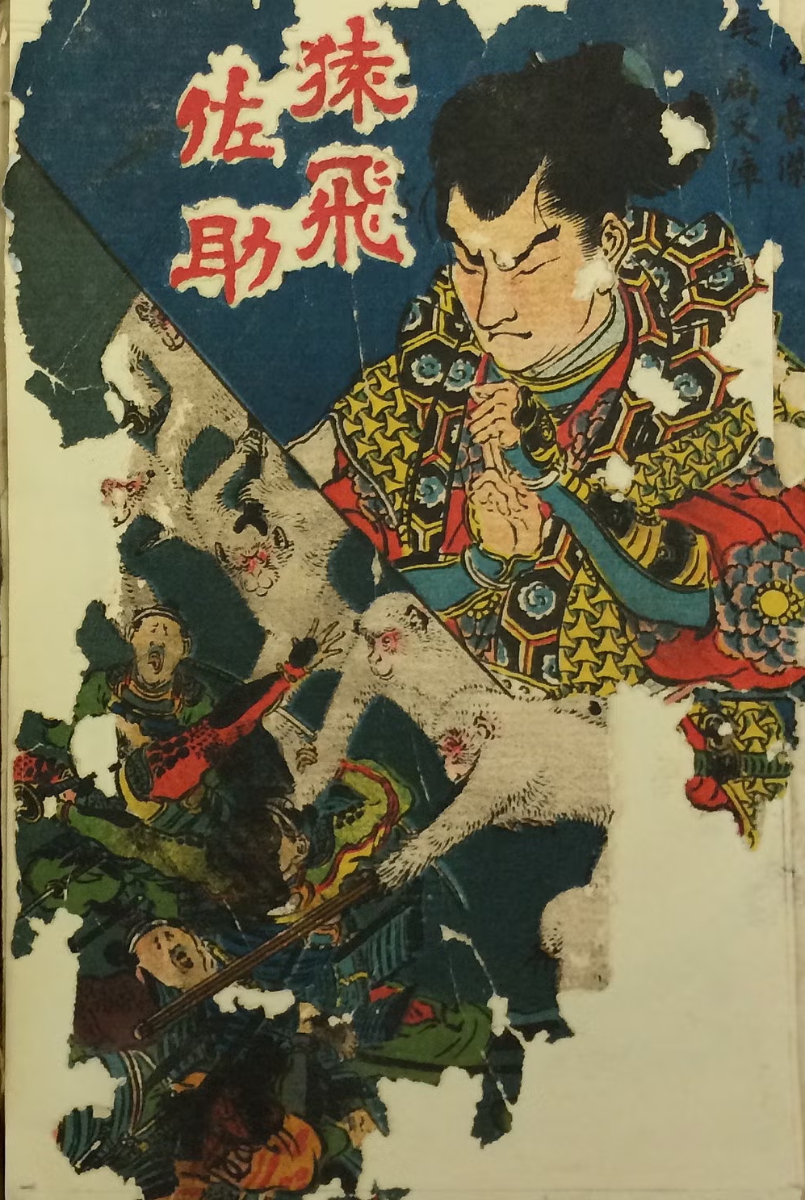
Sarutobi Sasuke is a ninja who appears in kōdan narrative art and fictional writings. The nickname is generally believed to have been concocted sometime between the Meiji to the Taishō periods. Some argue he is […]

Entry Sarutobi Sasuke
Description 

Sarutobi Sasuke is a ninja who appears in kōdan narrative art and fictional writings. The nickname is generally believed to have been concocted sometime between the Meiji to the Taishō periods. Some argue he is […]

Quick View

Shokera

Image of Shokera
Category Shokera
Includes 

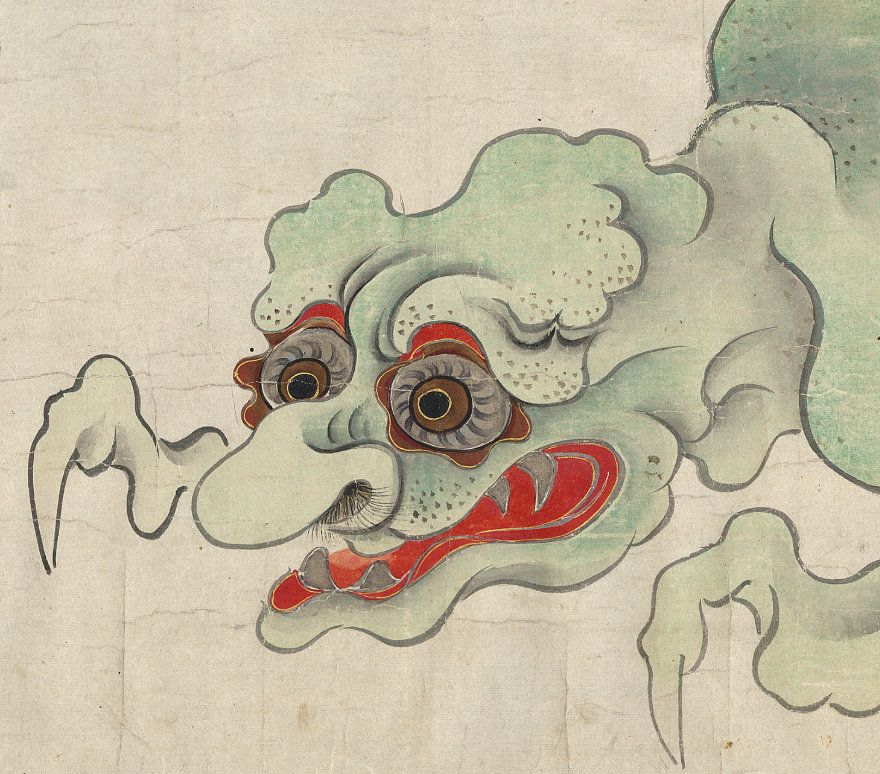
The shōkera is a large, dark-skinned, three-toed demon which spends most of its time lurking about on rooftops. Not much is known about this fearsome beast aside from its hunting practices. The shōkera is believed […]

Entry Shokera
Description 

The shōkera is a large, dark-skinned, three-toed demon which spends most of its time lurking about on rooftops. Not much is known about this fearsome beast aside from its hunting practices. The shōkera is believed […]

Quick View

Stingy Jack

Image of Stingy Jack
Category Stingy Jack
Includes 

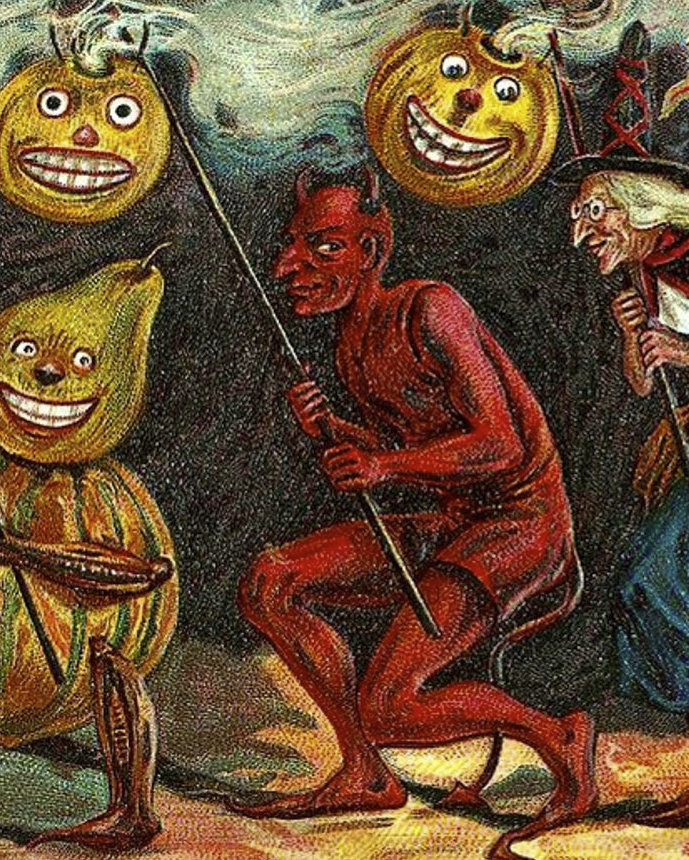
Stingy Jack O’Lantern, also known as Jack the Smith, Drunk Jack, Flaky Jack or Jack-o’-lantern, is a mythical character sometimes associated with All Hallows Eve while also acting as the mascot of the holiday. The […]

Entry Stingy Jack
Description 

Stingy Jack O’Lantern, also known as Jack the Smith, Drunk Jack, Flaky Jack or Jack-o’-lantern, is a mythical character sometimes associated with All Hallows Eve while also acting as the mascot of the holiday. The […]

Quick View

Sycorax

Image of Sycorax
Category Sycorax
Includes 

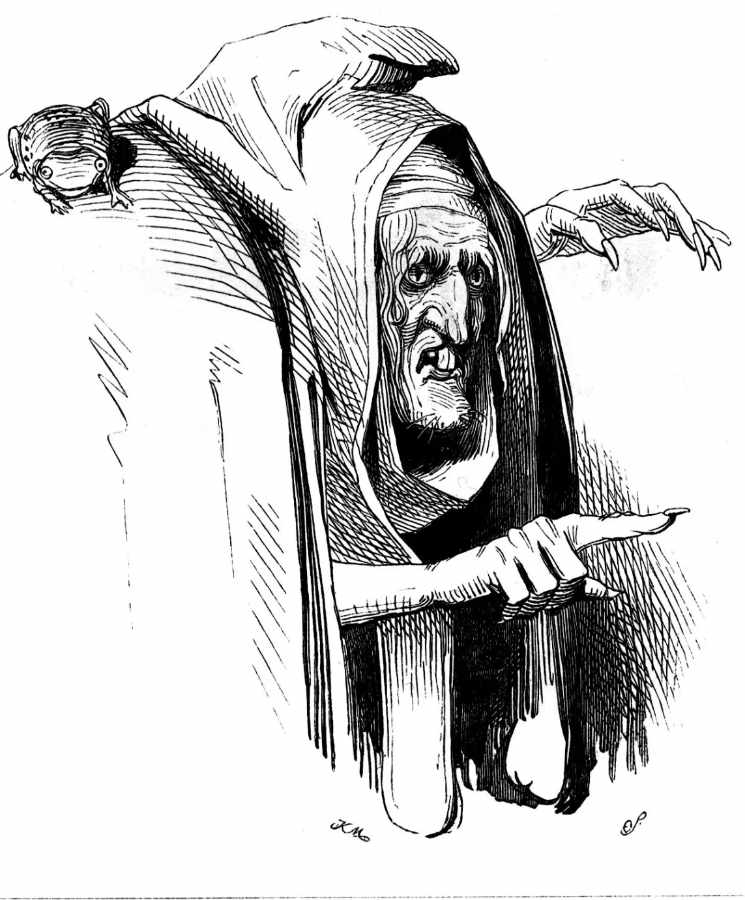
Sycorax is an unseen character in William Shakespeare’s play The Tempest (1611). She was a vicious, powerful witch, the now-deceased mother of Caliban, one of the few native inhabitants of the island on which Prospero […]

Entry Sycorax
Description 

Sycorax is an unseen character in William Shakespeare’s play The Tempest (1611). She was a vicious, powerful witch, the now-deceased mother of Caliban, one of the few native inhabitants of the island on which Prospero […]

Quick View

Three Musketeers

Image of Three Musketeers
Category Three Musketeers
Includes 

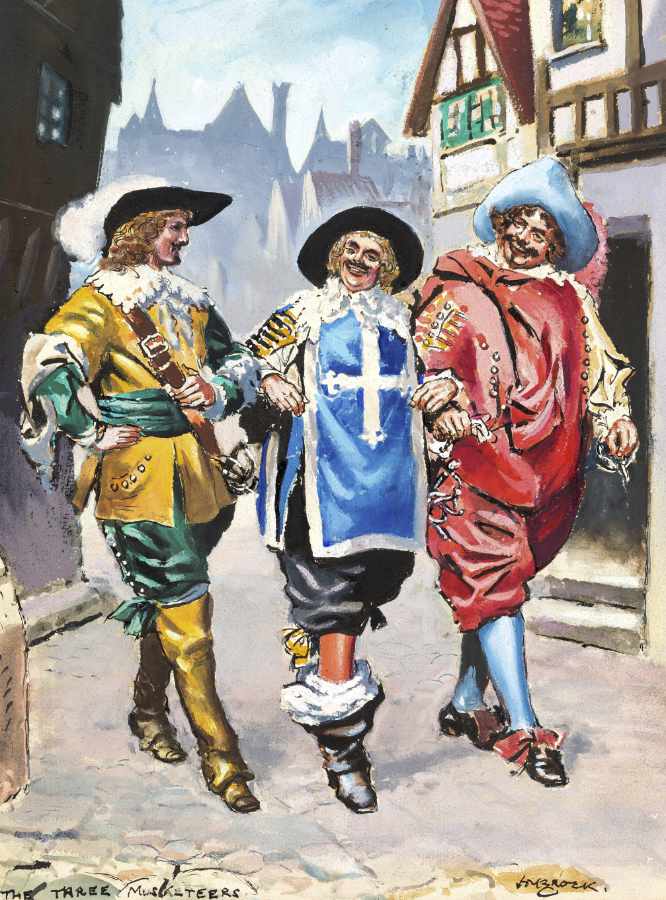
Set between 1625 and 1628, Alexandre Dumas’ 1844 The Three Musketeers recounts the adventures of a young man named d’Artagnan (a character based on Charles de Batz-Castelmore d’Artagnan) after he leaves home to travel to […]

Entry Three Musketeers
Description 

Set between 1625 and 1628, Alexandre Dumas’ 1844 The Three Musketeers recounts the adventures of a young man named d’Artagnan (a character based on Charles de Batz-Castelmore d’Artagnan) after he leaves home to travel to […]

Quick View

Tsuchigumo

Image of Tsuchigumo
Category Tsuchigumo
Includes 

Tsuchigumo is a historical Japanese derogatory term for renegade local clans, and also the name for a race of spider-like yōkai in Japanese folklore. The name Tsuchigumo is believed to be derived from tuchigomori (土隠); […]

Entry Tsuchigumo
Description 

Tsuchigumo is a historical Japanese derogatory term for renegade local clans, and also the name for a race of spider-like yōkai in Japanese folklore. The name Tsuchigumo is believed to be derived from tuchigomori (土隠); […]

Quick View

Tsunade

Image of Tsunade
Category Tsunade
Includes 

Jiraiya’s father was a castle laird in Kisushiu but is killed when he is young. Jiraiya becomes a bandit who uses his frog magic arts to help the poor and needy. Jiraiya fell in love […]

Entry Tsunade
Description 

Jiraiya’s father was a castle laird in Kisushiu but is killed when he is young. Jiraiya becomes a bandit who uses his frog magic arts to help the poor and needy. Jiraiya fell in love […]

Quick View

Tsurubebi

Image of Tsurubebi
Category Tsurubebi
Includes 

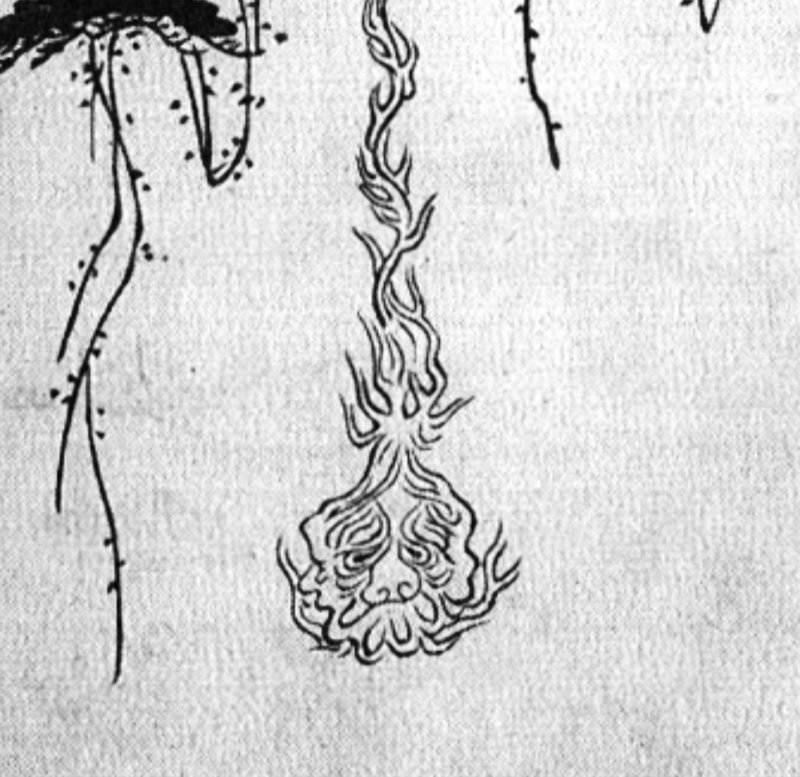
The tsurubebi is a fire yōkai that appears in the Gazu Hyakki Yagyō by Toriyama Sekien. The illustration does not give any explanatory text, but according to Toriyama Sekien Gazu Hyakki Yagyō, (editor-in-chief, the literary […]

Entry Tsurubebi
Description 

The tsurubebi is a fire yōkai that appears in the Gazu Hyakki Yagyō by Toriyama Sekien. The illustration does not give any explanatory text, but according to Toriyama Sekien Gazu Hyakki Yagyō, (editor-in-chief, the literary […]

Quick View

Ubagabi

Image of Ubagabi
Category Ubagabi
Includes 

The ubagabi is an atmospheric ghost light in legends of Kawachi Province (now Osaka Prefecture) and Tanba Province (now northern Kyoto Prefecture). They are mentioned in old literature, such as the Tenpō period book the […]

Entry Ubagabi
Description 

The ubagabi is an atmospheric ghost light in legends of Kawachi Province (now Osaka Prefecture) and Tanba Province (now northern Kyoto Prefecture). They are mentioned in old literature, such as the Tenpō period book the […]

Quick View

Ubume

Image of Ubume
Category Ubume
Includes 

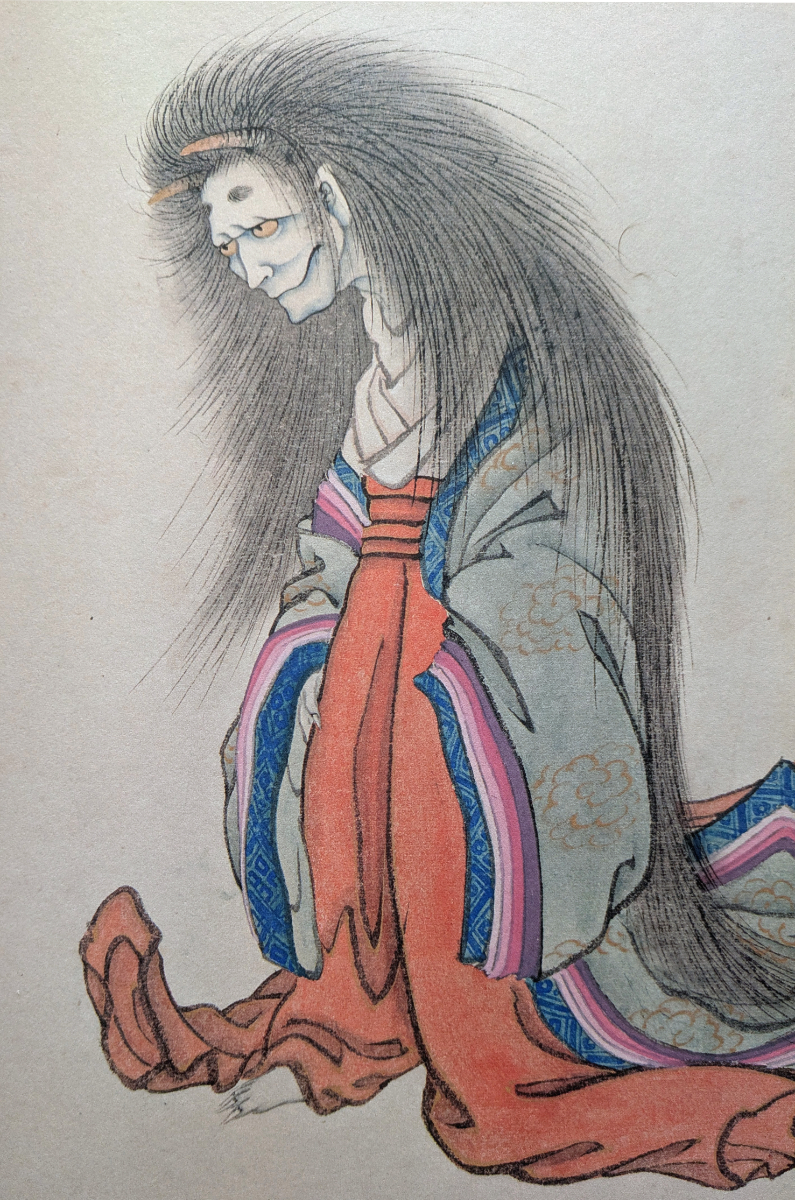
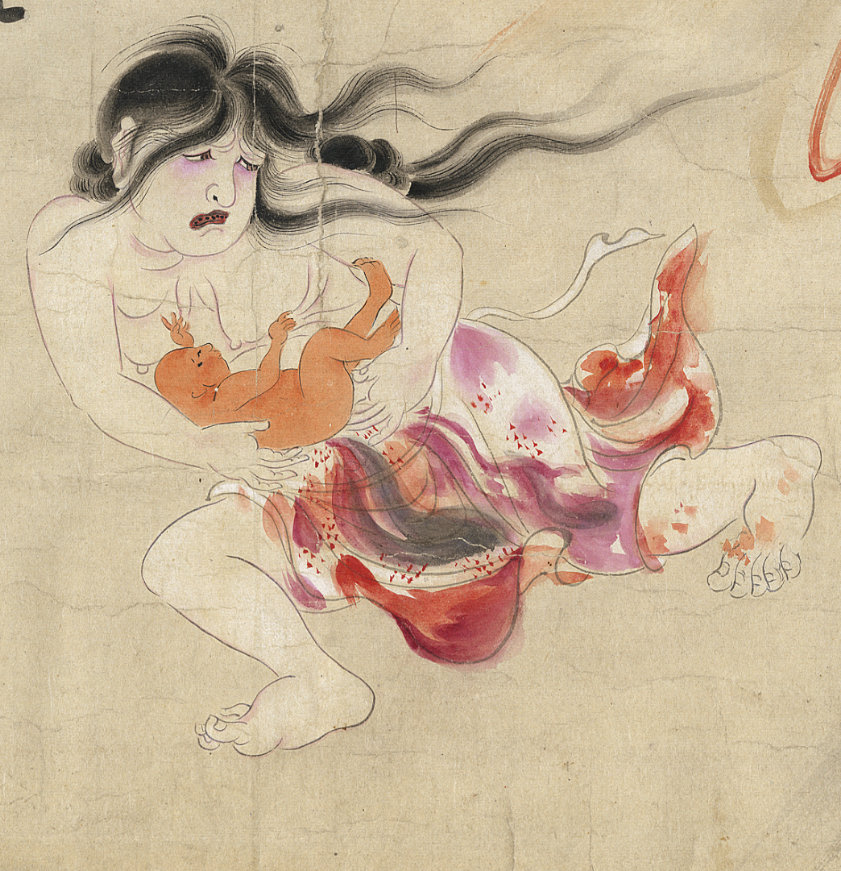
Ubume are Japanese yōkai of pregnant women. Throughout folk stories and literature the identity and appearance of ubume varies. However, she is most commonly depicted as the spirit of a woman who has died during […]

Entry Ubume
Description 

Ubume are Japanese yōkai of pregnant women. Throughout folk stories and literature the identity and appearance of ubume varies. However, she is most commonly depicted as the spirit of a woman who has died during […]

Quick View

Uma-shika

Image of Uma-shika
Category Uma-shika
Includes 

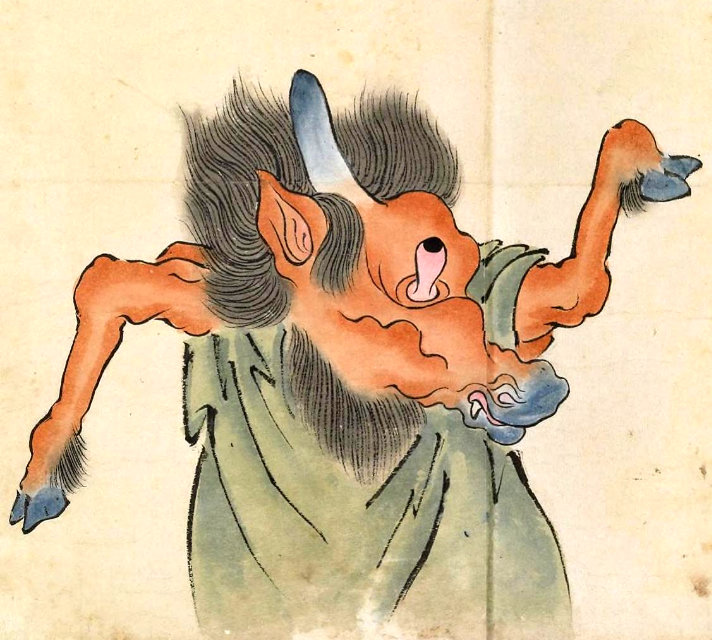
Mumashika are comical-looking yōkai with the body of a deer and the head of a horse. They have only one eye. A single horn sprouts from the back of their skull while fangs protrude from […]

Entry Uma-shika
Description 

Mumashika are comical-looking yōkai with the body of a deer and the head of a horse. They have only one eye. A single horn sprouts from the back of their skull while fangs protrude from […]

Quick View

Umibozu

Image of Umibozu
Category Umibozu
Includes 

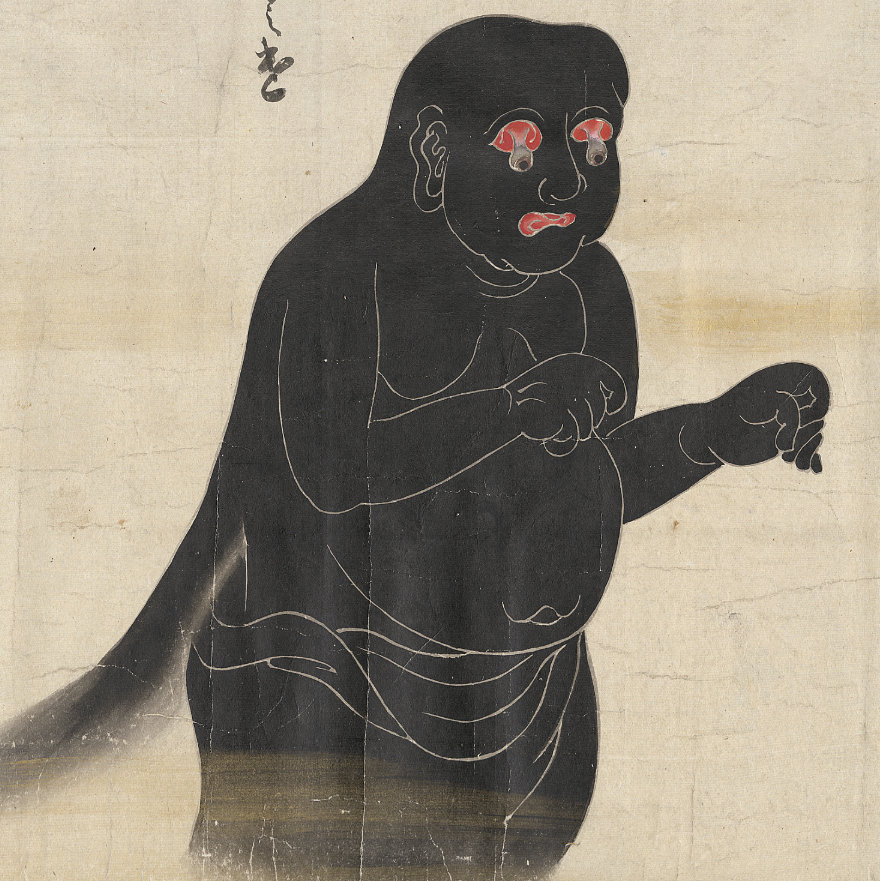
Umibōzu is a giant, black, human-like being and is the figure of a yōkai from Japanese folklore. Little is known of the origin of umibōzu but it is a mythical sea-spirit creature and as such […]

Entry Umibozu
Description 

Umibōzu is a giant, black, human-like being and is the figure of a yōkai from Japanese folklore. Little is known of the origin of umibōzu but it is a mythical sea-spirit creature and as such […]

Quick View

Uwan

Image of Uwan
Category Uwan
Includes 

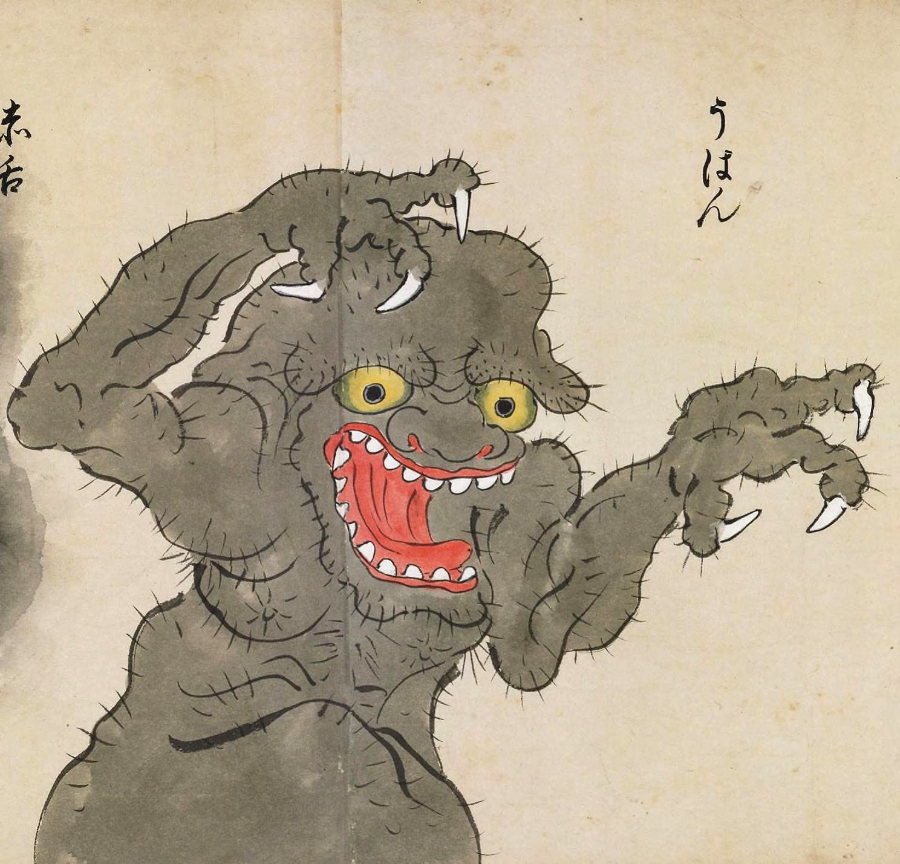
An uwan is a Japanese yōkai depicted in Edo Period pictures such as the Hyakkai Zukan by Sawaki Suushi and the Gazu Hyakki Yagyō by Sekien Toriyama. They were depicted to be a teeth-blackened yōkai […]

Entry Uwan
Description 

An uwan is a Japanese yōkai depicted in Edo Period pictures such as the Hyakkai Zukan by Sawaki Suushi and the Gazu Hyakki Yagyō by Sekien Toriyama. They were depicted to be a teeth-blackened yōkai […]

Quick View

Waira

Image of Waira
Category Waira
Includes 

The waira is a Japanese yōkai from Japanese emaki… depicted with the body of a giant ox and thick sharp claws growing on each of its front legs. Each of these emaki have no explanatory […]

Entry Waira
Description 

The waira is a Japanese yōkai from Japanese emaki… depicted with the body of a giant ox and thick sharp claws growing on each of its front legs. Each of these emaki have no explanatory […]

Quick View

Wendigo

Image of Wendigo
Category Wendigo
Includes 

Wendigo is a mythological creature or evil spirit originating from the folklore of Plains and Great Lakes Natives as well as some First Nations. It is based in and around the East Coast forests of […]

Entry Wendigo
Description 

Wendigo is a mythological creature or evil spirit originating from the folklore of Plains and Great Lakes Natives as well as some First Nations. It is based in and around the East Coast forests of […]

Quick View

Yako

Image of Yako
Category Yako
Includes 

Yako or nogitsune is a type of kitsune (fox spirit), as told in Kyūshū. To be possessed by it is called “yako-tsuki”. The word 野狐, lit. ’field fox’ or ‘wild fox’, is also used for foxes […]

Entry Yako
Description 

Yako or nogitsune is a type of kitsune (fox spirit), as told in Kyūshū. To be possessed by it is called “yako-tsuki”. The word 野狐, lit. ’field fox’ or ‘wild fox’, is also used for foxes […]

Quick View

Yama-uba

Image of Yama-uba
Category Yama-uba
Includes 

Mostly said to resemble women, yamauba may be depicted as predatory monsters or benevolent beings. Depending on the text and translator, the yamauba often appears as a monstrous crone, “her unkempt hair long and golden […]

Entry Yama-uba
Description 

Mostly said to resemble women, yamauba may be depicted as predatory monsters or benevolent beings. Depending on the text and translator, the yamauba often appears as a monstrous crone, “her unkempt hair long and golden […]

Quick View

Yamabiko

Image of Yamabiko
Category Yamabiko
Includes 

Yamabiko is a mountain god, spirit, and yōkai in Japanese folklore; the term “yamabiko” also refers to the echo that occurs in mountains, after which the yōkai is named. Literally translated, the term means “mountain […]

Entry Yamabiko
Description 

Yamabiko is a mountain god, spirit, and yōkai in Japanese folklore; the term “yamabiko” also refers to the echo that occurs in mountains, after which the yōkai is named. Literally translated, the term means “mountain […]

Quick View

Yamawaro

Image of Yamawaro
Category Yamawaro
Includes 

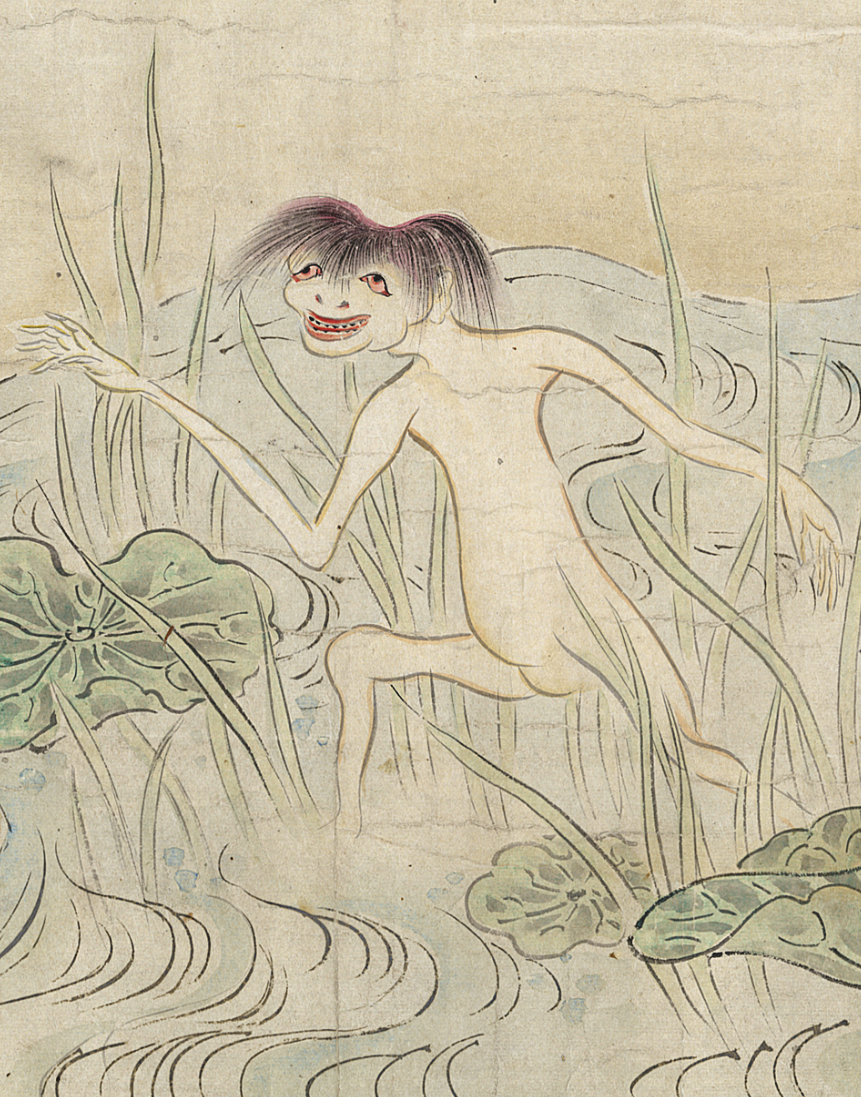
Yamawaro is a yōkai (spirit) said to appear in mountains in Western Japan, starting in the Kyūshū region. According to mythology, it is sometimes said that they are kappa that have come to dwell in […]

Entry Yamawaro
Description 

Yamawaro is a yōkai (spirit) said to appear in mountains in Western Japan, starting in the Kyūshū region. According to mythology, it is sometimes said that they are kappa that have come to dwell in […]

Quick View

Yuki-onna

Image of Yuki-onna
Category Yuki-onna
Includes 

Yuki-onna, “snow woman”, is a spirit or yōkai in Japanese folklore that is often depicted in Japanese literature, films, or animation. In legends from the Ojiya region of Niigata Prefecture, a beautiful woman came to […]

Entry Yuki-onna
Description 

Yuki-onna, “snow woman”, is a spirit or yōkai in Japanese folklore that is often depicted in Japanese literature, films, or animation. In legends from the Ojiya region of Niigata Prefecture, a beautiful woman came to […]

Quick View

Yume-no-seirei

Image of Yume-no-seirei
Category Yume-no-seirei
Includes 

Yume-no-seirei is a mysterious yōkai in Japanese mythology believed to cause nightmares. Belief in the supernatural was particularly strong during the Heian and Edo periods. During this time, many believed that the spirits of the […]

Entry Yume-no-seirei
Description 

Yume-no-seirei is a mysterious yōkai in Japanese mythology believed to cause nightmares. Belief in the supernatural was particularly strong during the Heian and Edo periods. During this time, many believed that the spirits of the […]

Quick View

Yurei

Image of Yurei
Category Yurei
Includes 

Yūrei are figures in Japanese folklore analogous to the Western concept of ghosts. Like their Western counterparts, they are thought to be spirits barred from a peaceful afterlife. According to traditional Japanese beliefs, all humans […]

Entry Yurei
Description 

Yūrei are figures in Japanese folklore analogous to the Western concept of ghosts. Like their Western counterparts, they are thought to be spirits barred from a peaceful afterlife. According to traditional Japanese beliefs, all humans […]