The merveilleux-scientifique narrative aims to explore “the unknown” and “the uncertain”, to deeply question the human condition. One compelling example is in Guy de Téramond’s L’homme qui voit à travers les murailles (1913), or The Mystery of Lucien Delorme, which drew on the fascination and fears of radioactivity. The protagonist, Lucien Delorme, accidentally receives a grain of radium in his eye bandage, which grants him the ability to see through walls and other opaque objects, much like an X-ray machine: “That fragment of radium has been swept along, carried by the circulatory torrent… Your skull has become a radiographic device. You see with X-rays!”
First Appearance “L’homme qui voit à travers les murailles” serialized in Excelsior, nos. 838–900 (Mar 2–May 3, 1913) by Guy de Téramond
First Publisher Excelsior
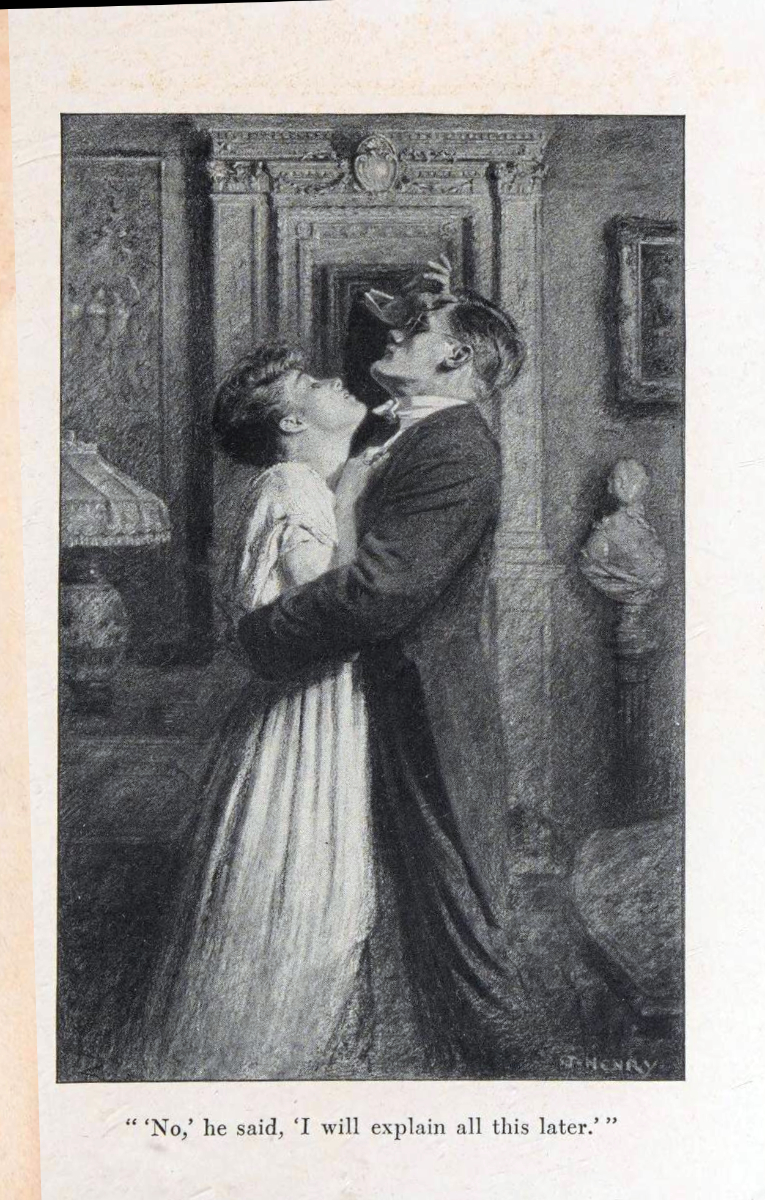
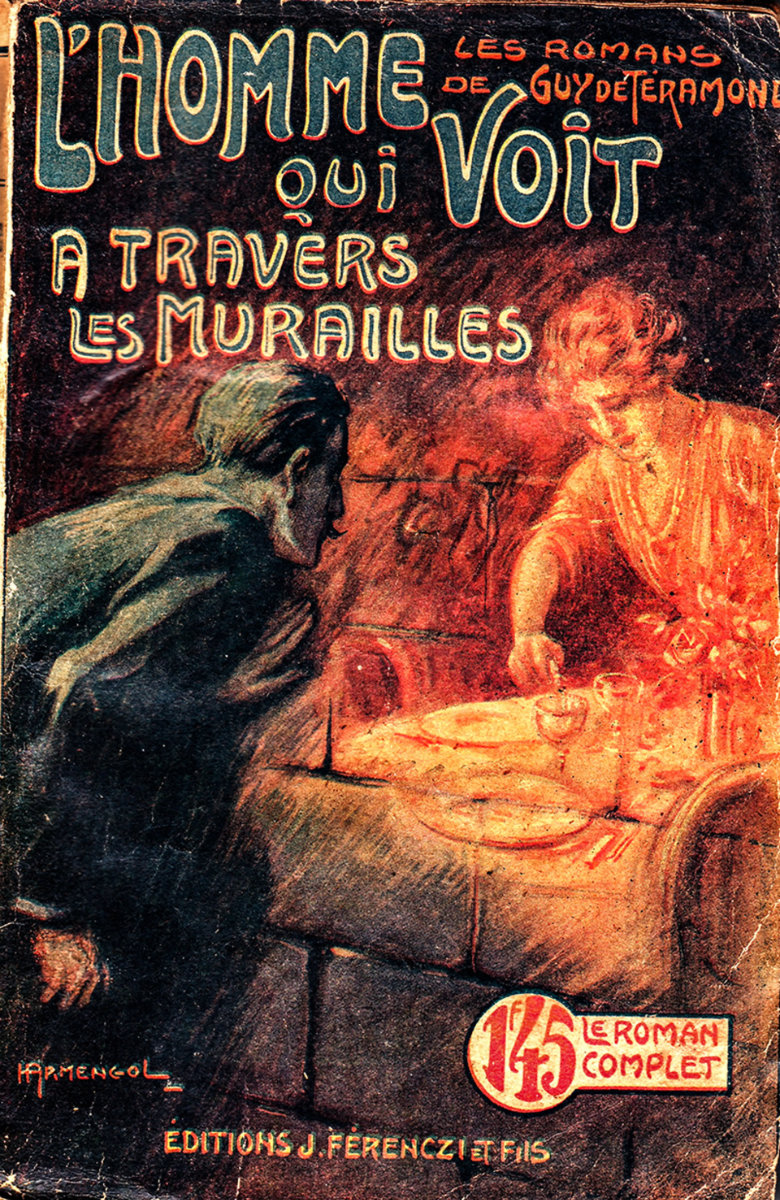
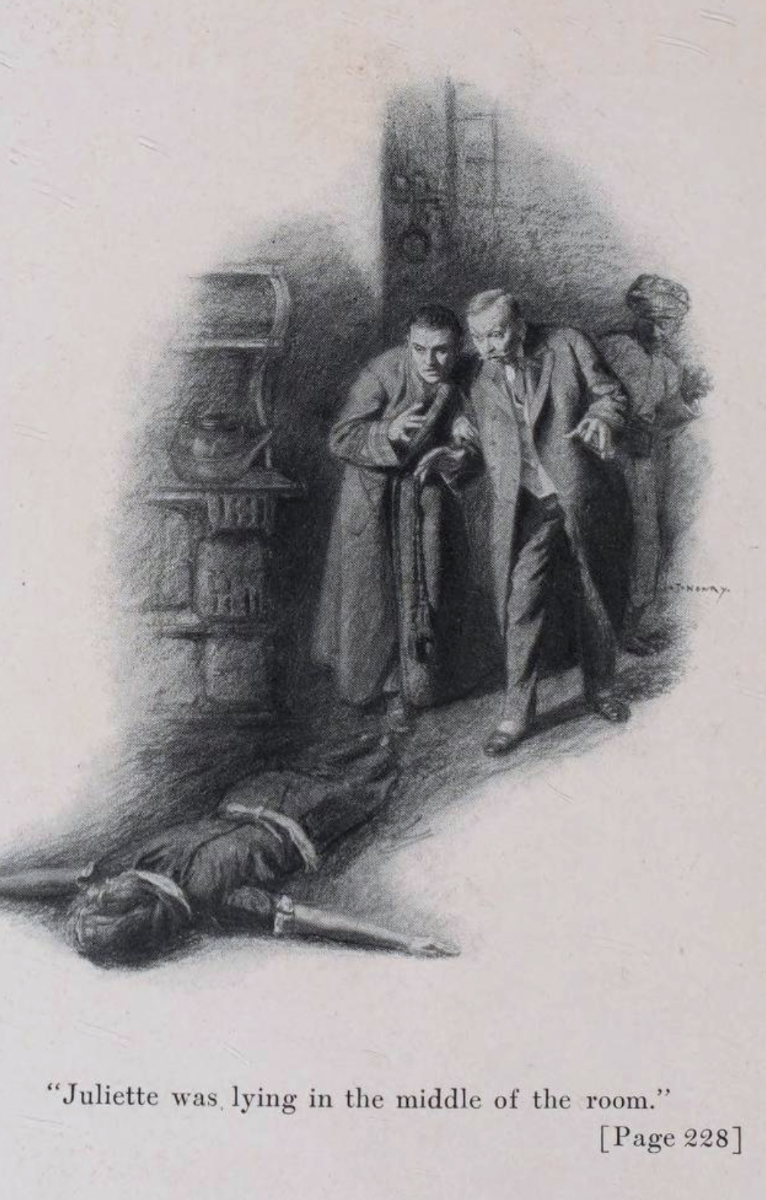
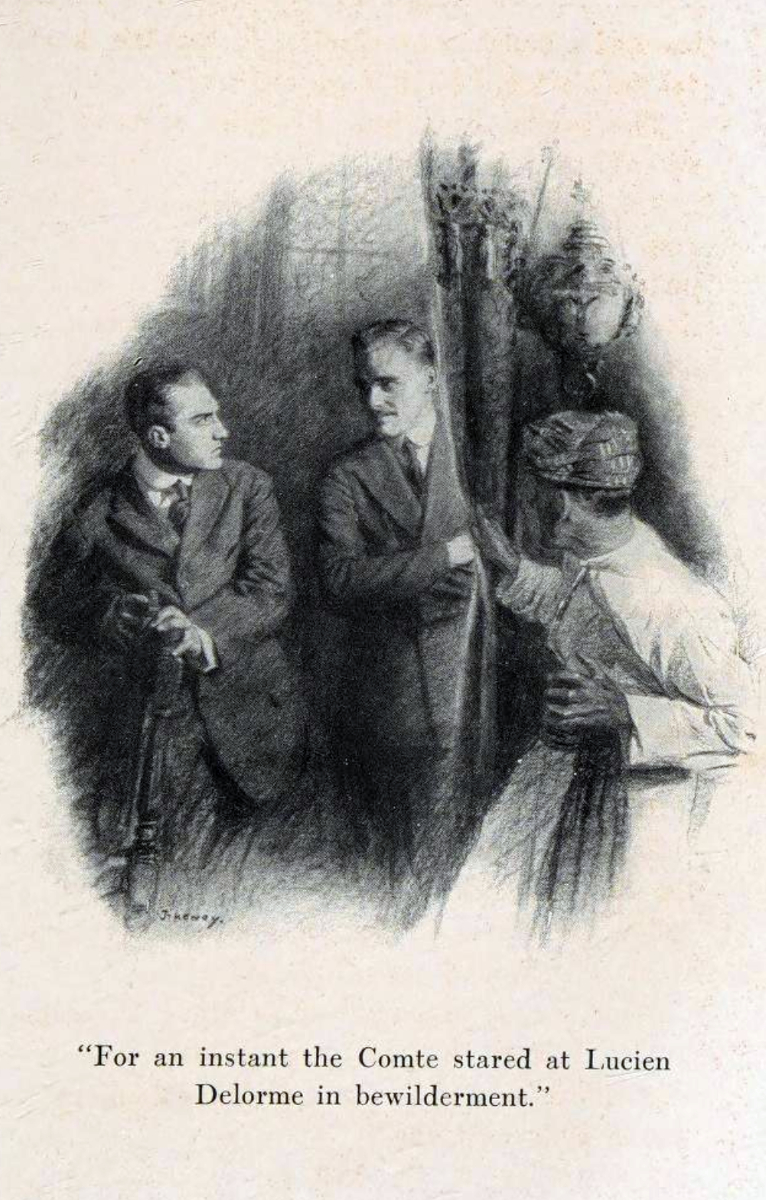
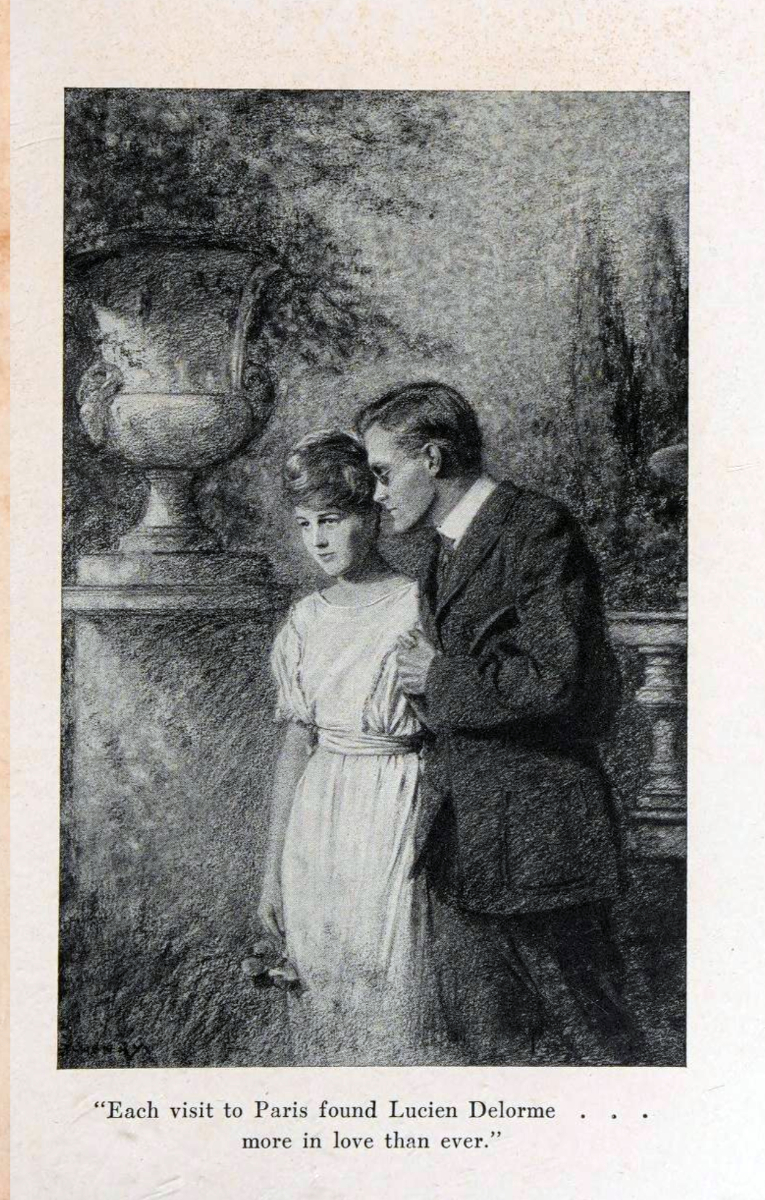
Appearance List “L’homme qui voit à travers les murailles” serialized in Excelsior, nos. 838–900 (Mar 2–May 3, 1913) by Guy de Téramond; L’homme qui voit à travers les murailles (1914); The Mystery of Lucien Delorme (1915) — translated by Mary J. Safford, illustrated by J. Henry; L’homme qui voit à travers les murailles (1923) — Ferenczi et Fils reissue; L’homme qui voit à travers les murailles (1928) — “Les Meilleurs romans populaires” no. 22 (reissue).
Sample Read The Mystery of Lucien Delorme (1915) [Internet Archive]
Description The merveilleux-scientifique narrative aims to explore “the unknown” and “the uncertain”, to deeply question the human condition. One compelling example is in Guy de Téramond’s L’homme qui voit à travers les murailles (1913), or The Mystery of Lucien Delorme, which drew on the fascination and fears of radioactivity. The protagonist, Lucien Delorme, accidentally receives a grain of radium in his eye bandage, which grants him the ability to see through walls and other opaque objects, much like an X-ray machine: “That fragment of radium has been swept along, carried by the circulatory torrent… Your skull has become a radiographic device. You see with X-rays!”

 ,
,  ,
,  ,
,  ,
,