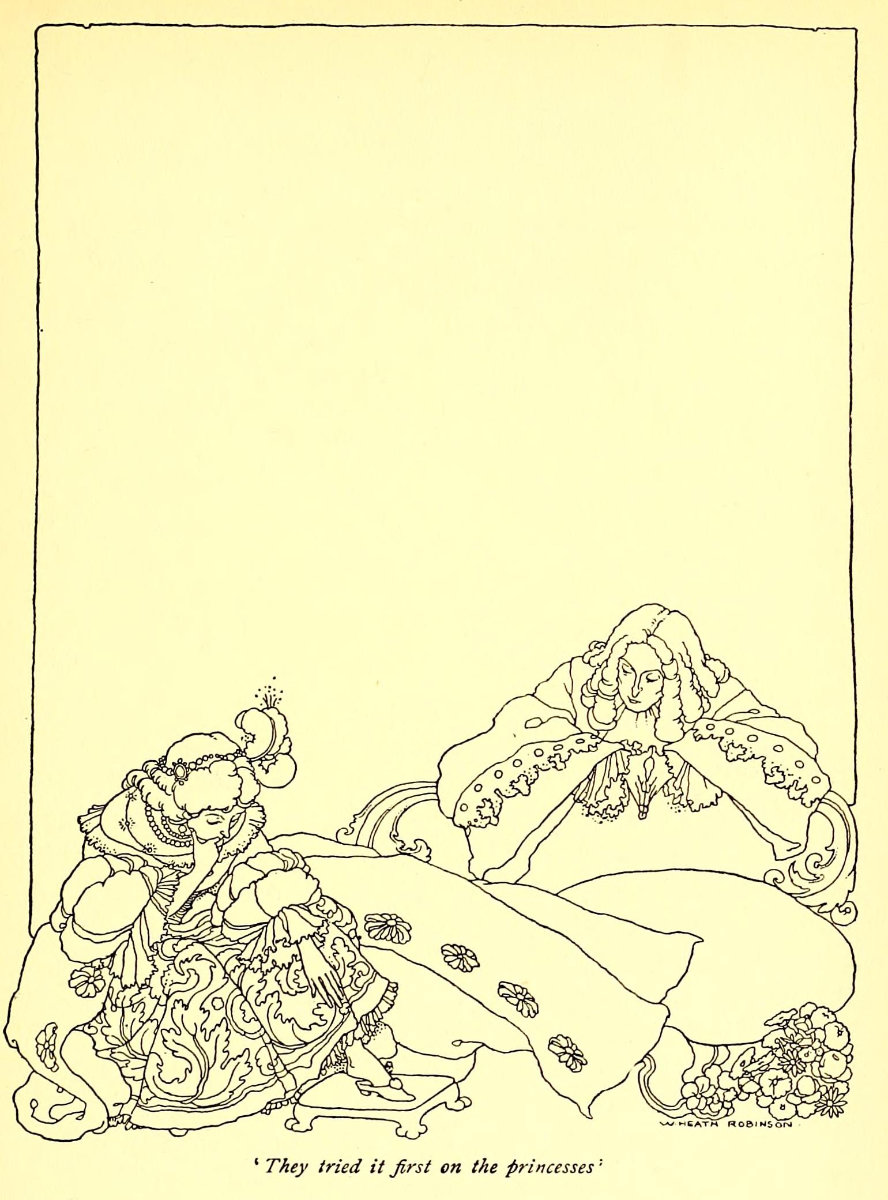
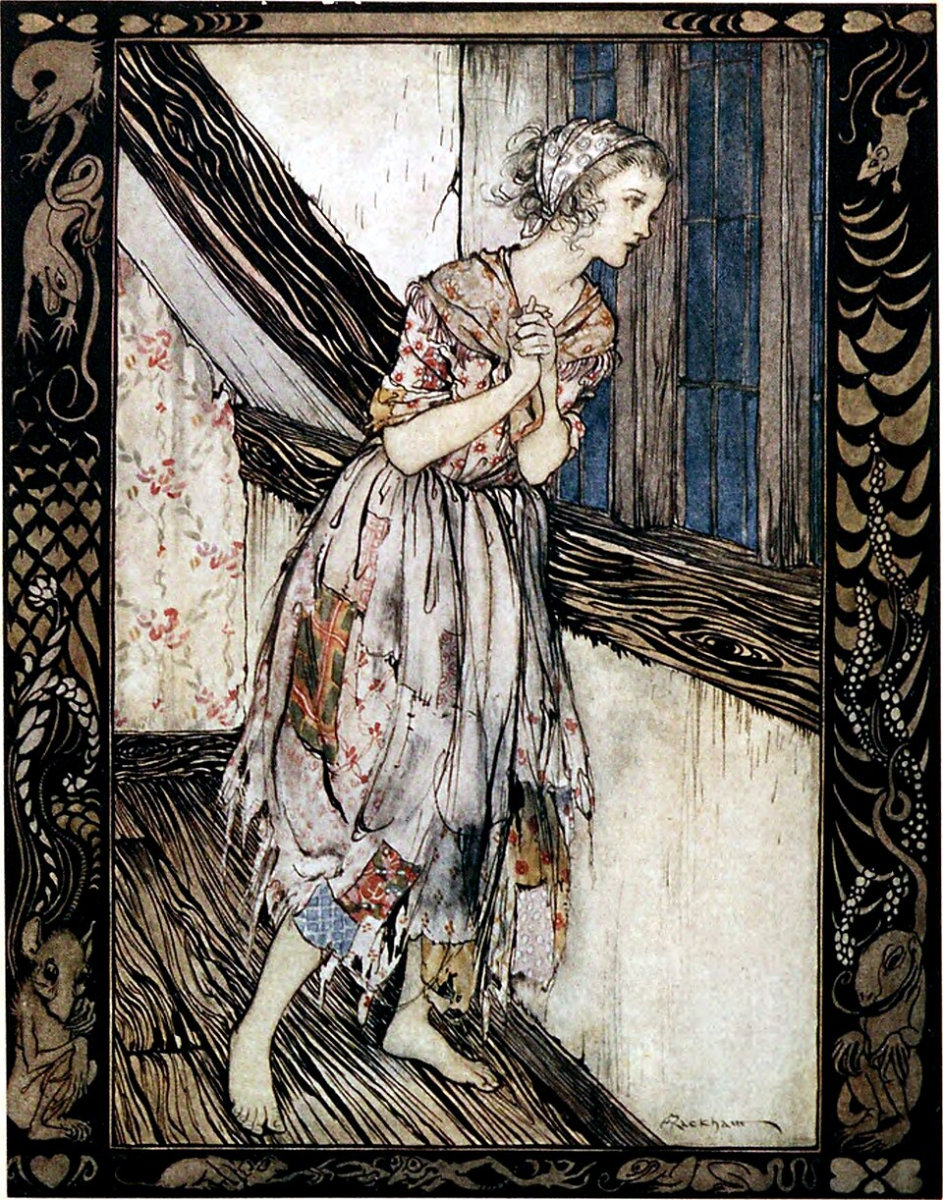
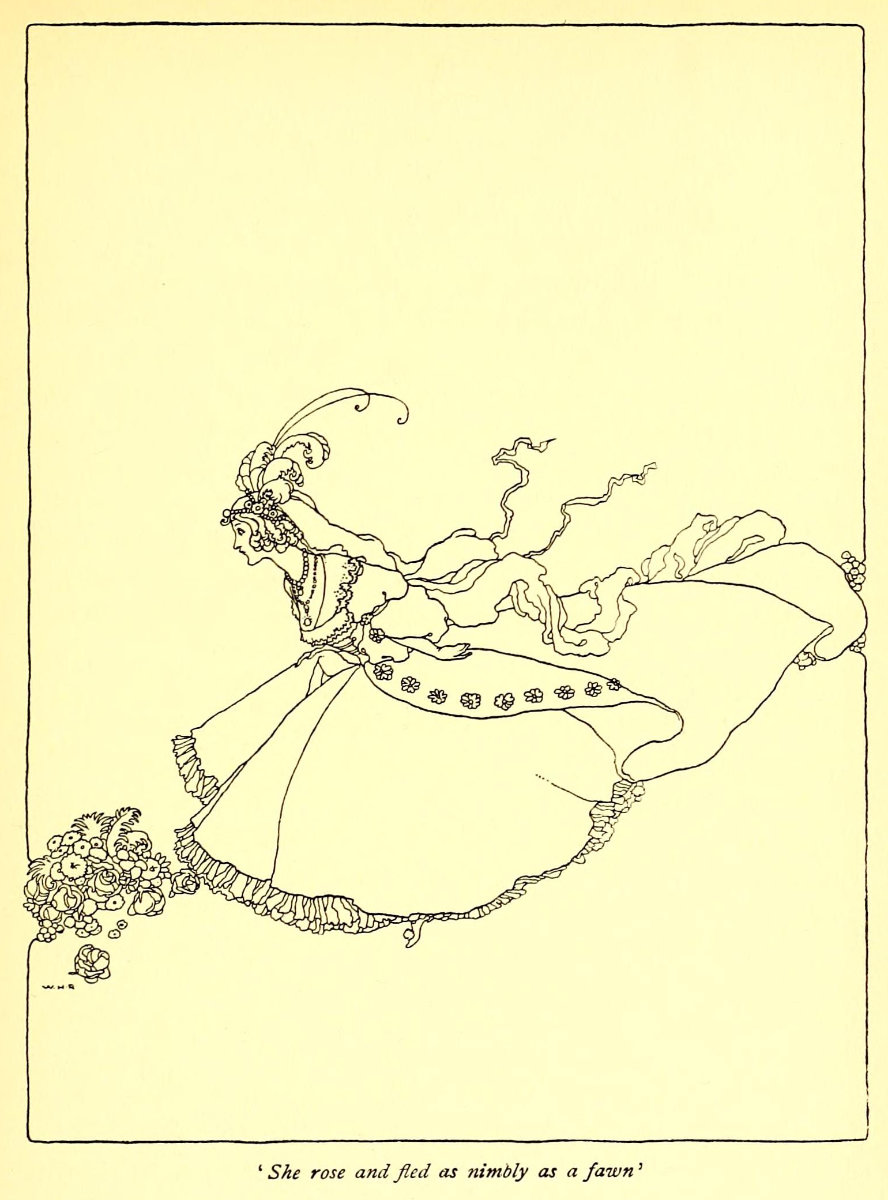
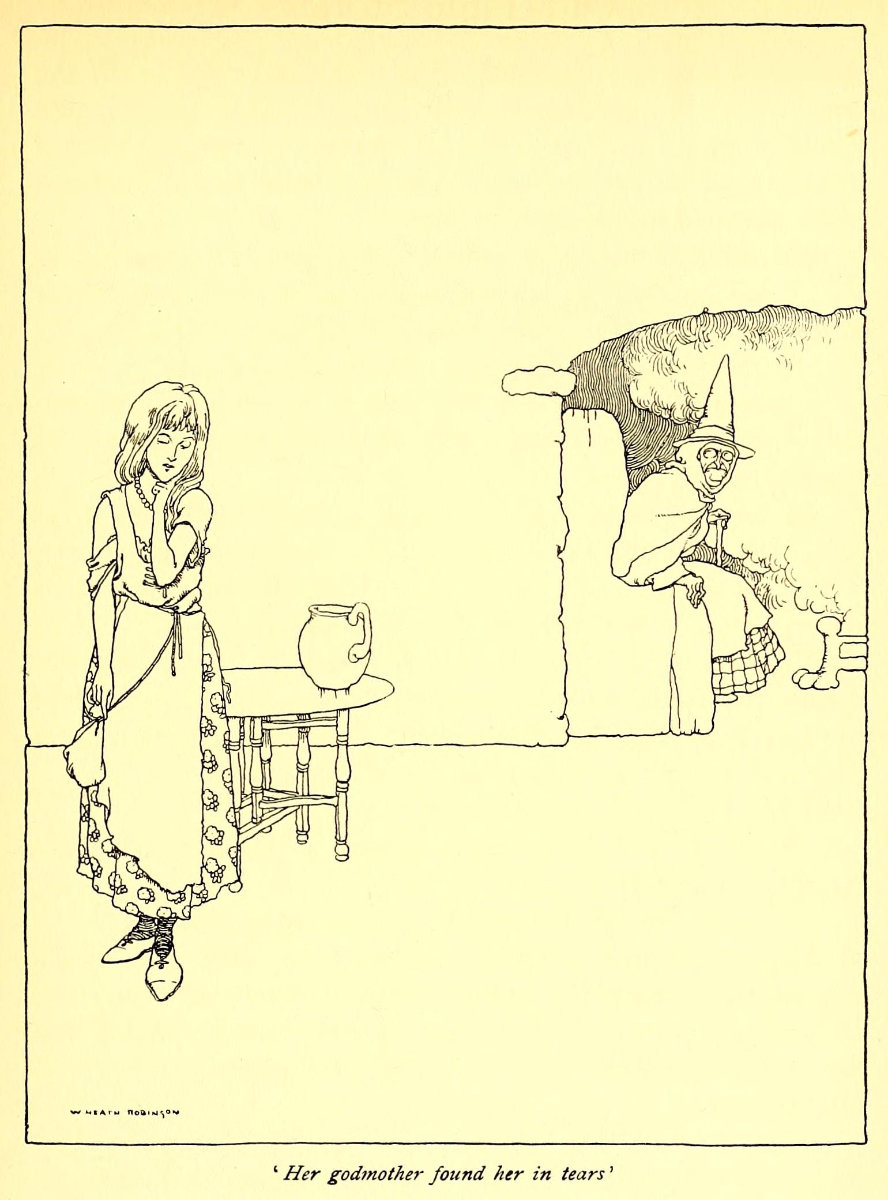
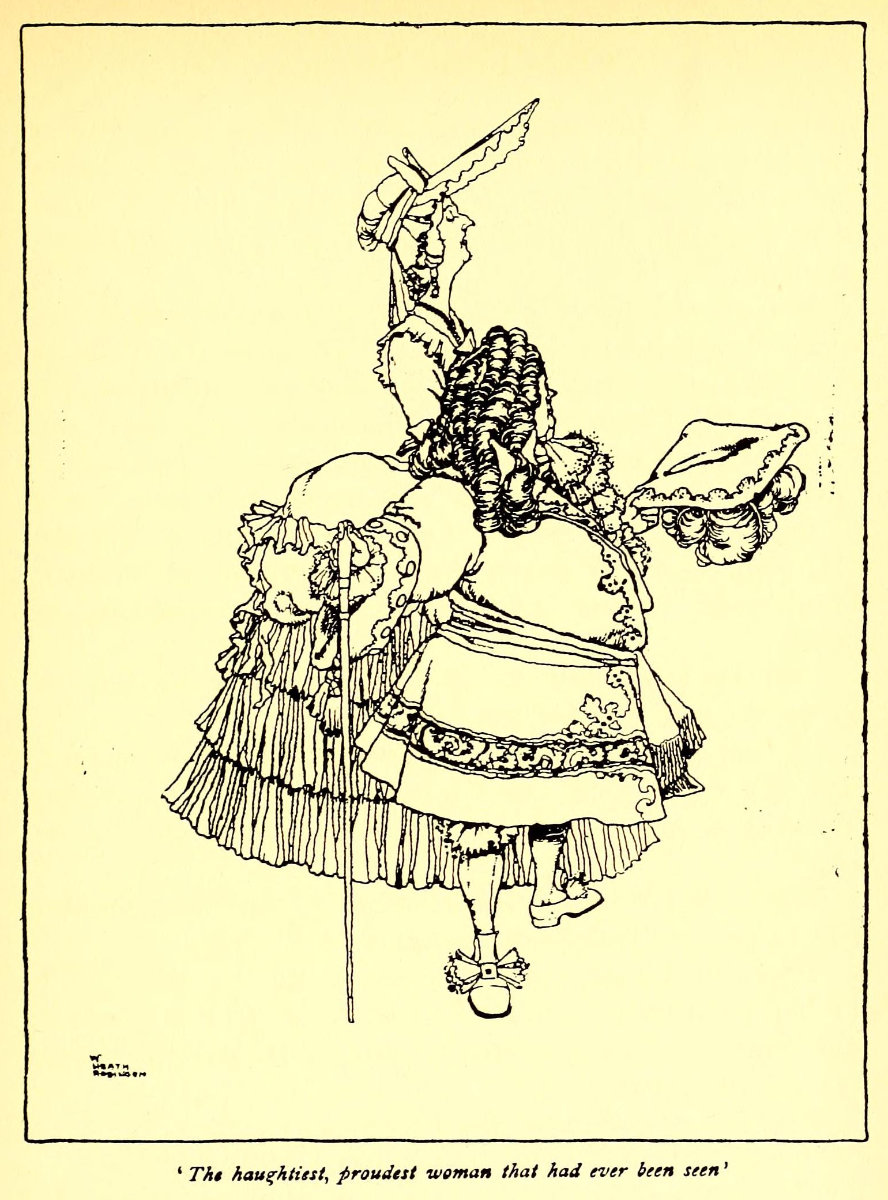
“Cinderella”, or “The Little Glass Slipper”, is a folk tale with thousands of variants that are told throughout the world. The protagonist is a young girl living in unfortunate circumstances who is suddenly blessed with remarkable fortune, ultimately ascending to the throne through marriage. The earliest known version of the Cinderella story is usually considered to be the Greek story of Rhodopis, as described by the scholar Strabo sometime between 7 BC and 23 AD, about a Greek slave girl who marries the king of Egypt. The first literary Western version of the story was the Italian tale La Gatta Cenerentola, published by Giambattista Basile in his Pentamerone in 1634… One of the most popular versions of Cinderella was written in French by Charles Perrault in 1697, under the name Cendrillon ou la petite pantoufle de verre. The popularity of his tale was due to his additions to the story, including the pumpkin, the fairy-godmother and the introduction of “glass” slippers… A wealthy widower marries a proud and haughty woman as his second wife. She has two daughters, who are equally vain and selfish. But the man also has a beautiful young daughter from his first wife, a girl of unparalleled kindness and sweet temper. The stepmother, jealous of the young girl because her good graces show up her own two daughters’ faults, forces her into servitude, where the girl is made to work day and night doing menial chores. After her chores are done for the day, she curls up near the fireplace in an effort to stay warm. She often arises covered in ashes, giving rise to the mocking nickname “Cendrillon” (Cinderella) by her stepsisters. Cinderella bears the abuse patiently and does not tell her father, who would have scolded her. One day, the prince invites all the people in the land to a royal ball…
First Appearance Rhodopis episode (1st century BCE) by Strabo in Geographica
First Publisher ○
Appearance List Rhodopis episode (1st century BCE) by Strabo in Geographica — earliest recorded “Cinderella-type” narrative (lost slipper motif); “Ye Xian” (9th century) by Anonymous; “La Gatta Cenerentola” in Lo cunto de li cunti (Pentamerone) (1634–1636) by Giambattista Basile; “Cendrillon, ou la petite pantoufle de verre” in Histoires ou contes du temps passé (1697) by Charles Perrault; “Aschenputtel” in Kinder- und Hausmärchen (1812) by Jacob Grimm & Wilhelm Grimm; Perrault Fairy Tales (1862 illustrated edition) — text by Charles Perrault, illustrations by Gustave Doré; Old-Time Stories Told by Master Charles Perrault (1921), trans. A. E. Johnson, ill. W. Heath Robinson [Internet Archive]. Film: Cinderella (1899) dir. Georges Méliès; Cinderella or the Glass Slipper (1913) dir. Georges Méliès; Cinderella (1914) dir. James Kirkwood; A Kiss for Cinderella (1925) dir. Herbert Brenon, from play by J. M. Barrie; Ella Cinders (1926) dir. Alfred E. Green, derived from newspaper comic strip; Cinderella (1937) dir. Pierre Caron; Cinderella (1950) by Walt Disney Productions; Cinderella (1955) dir. Fritz Genschow; Rodgers and Hammerstein’s Cinderella (1957) by Richard Rodgers & Oscar Hammerstein II.
Sample Read Old-Time Stories Told by Master Charles Perrault (1921) [Internet Archive]
Description “Cinderella”, or “The Little Glass Slipper”, is a folk tale with thousands of variants that are told throughout the world. The protagonist is a young girl living in unfortunate circumstances who is suddenly blessed with remarkable fortune, ultimately ascending to the throne through marriage. The earliest known version of the Cinderella story is usually considered to be the Greek story of Rhodopis, as described by the scholar Strabo sometime between 7 BC and 23 AD, about a Greek slave girl who marries the king of Egypt. The first literary Western version of the story was the Italian tale La Gatta Cenerentola, published by Giambattista Basile in his Pentamerone in 1634… One of the most popular versions of Cinderella was written in French by Charles Perrault in 1697, under the name Cendrillon ou la petite pantoufle de verre. The popularity of his tale was due to his additions to the story, including the pumpkin, the fairy-godmother and the introduction of “glass” slippers… A wealthy widower marries a proud and haughty woman as his second wife. She has two daughters, who are equally vain and selfish. But the man also has a beautiful young daughter from his first wife, a girl of unparalleled kindness and sweet temper. The stepmother, jealous of the young girl because her good graces show up her own two daughters’ faults, forces her into servitude, where the girl is made to work day and night doing menial chores. After her chores are done for the day, she curls up near the fireplace in an effort to stay warm. She often arises covered in ashes, giving rise to the mocking nickname “Cendrillon” (Cinderella) by her stepsisters. Cinderella bears the abuse patiently and does not tell her father, who would have scolded her. One day, the prince invites all the people in the land to a royal ball…

 ,
,  ,
,  ,
,