“Amaryllis” is a dialogue between Melibœus and Tityrus. Melibœus, returning from exile, encounters Tityrus, who appears aged, severe, and altered. Melibœus speaks of his own return and fears regarding his home and acquaintances, while recalling their shared past. Tityrus refuses to speak of the past at first. Melibœus recalls a time when Tityrus was joyful, singing and invoking the name of Amaryllis in the landscape. Tityrus says that this past happiness is gone and he is presently suffering. Amaryllis left him at the ides of May, and refers indirectly to soldiers and a centurion. Melibœus tries to console Tityrus, encouraging him to turn away from his grief and to seek other forms of happiness. Tityrus responds with bitterness, describing women as fragile and deceptive. Melibœus continues to urge him to leave the place and avoid dwelling on memories. Tityrus insists on remaining, stating that he intends to forget completely and believes that confronting the place of memory will allow him to erase it. Melibœus departs after receiving Tityrus’s promise not to pursue memories. After Melibœus leaves, Tityrus remains alone and invokes the nymph Écho, asking to hear the name Amaryllis repeated. The echoes respond with the name. When he tries to hear or recall Amaryllis, like the echo, what comes to him does not remain. Instead it immediately disappears, which creates repeated feelings of abandonment.
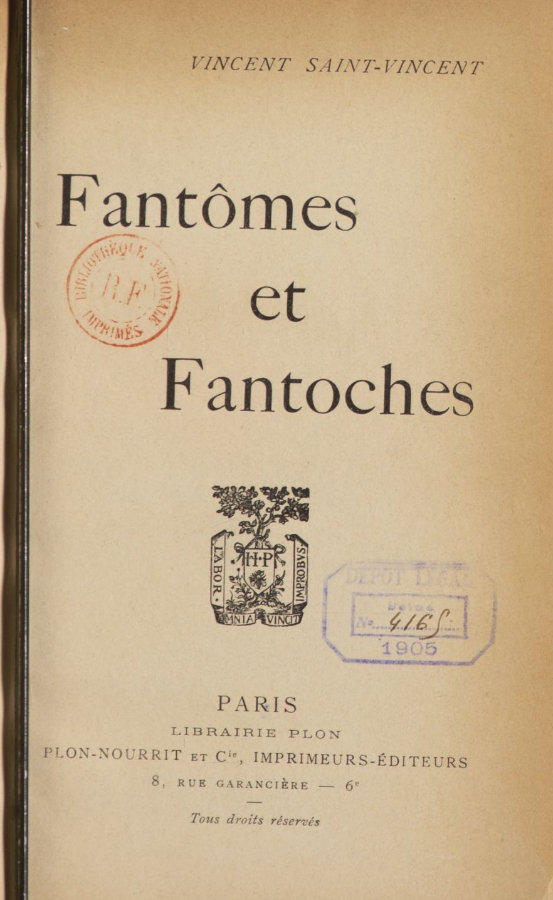
First Appearance “Amaryllis” included in Fantômes et fantoches (1905) by Vincent Saint-Vincent (pseud. of Maurice Renard)
First Publisher Plon-Nourrit
Appearance List “Amaryllis” included in Fantômes et fantoches (1905) by Vincent Saint-Vincent (pseud. of Maurice Renard), Paris: Plon-Nourrit [Gallica BnF]; “Amaryllis” included in Romans et contes fantastiques (1990) by Maurice Renard — collected reissue, Robert Laffont, collection “Bouquins”.
Description “Amaryllis” is a dialogue between Melibœus and Tityrus. Melibœus, returning from exile, encounters Tityrus, who appears aged, severe, and altered. Melibœus speaks of his own return and fears regarding his home and acquaintances, while recalling their shared past. Tityrus refuses to speak of the past at first. Melibœus recalls a time when Tityrus was joyful, singing and invoking the name of Amaryllis in the landscape. Tityrus says that this past happiness is gone and he is presently suffering. Amaryllis left him at the ides of May, and refers indirectly to soldiers and a centurion. Melibœus tries to console Tityrus, encouraging him to turn away from his grief and to seek other forms of happiness. Tityrus responds with bitterness, describing women as fragile and deceptive. Melibœus continues to urge him to leave the place and avoid dwelling on memories. Tityrus insists on remaining, stating that he intends to forget completely and believes that confronting the place of memory will allow him to erase it. Melibœus departs after receiving Tityrus’s promise not to pursue memories. After Melibœus leaves, Tityrus remains alone and invokes the nymph Écho, asking to hear the name Amaryllis repeated. The echoes respond with the name. When he tries to hear or recall Amaryllis, like the echo, what comes to him does not remain. Instead it immediately disappears, which creates repeated feelings of abandonment.
Source Eidolon Station
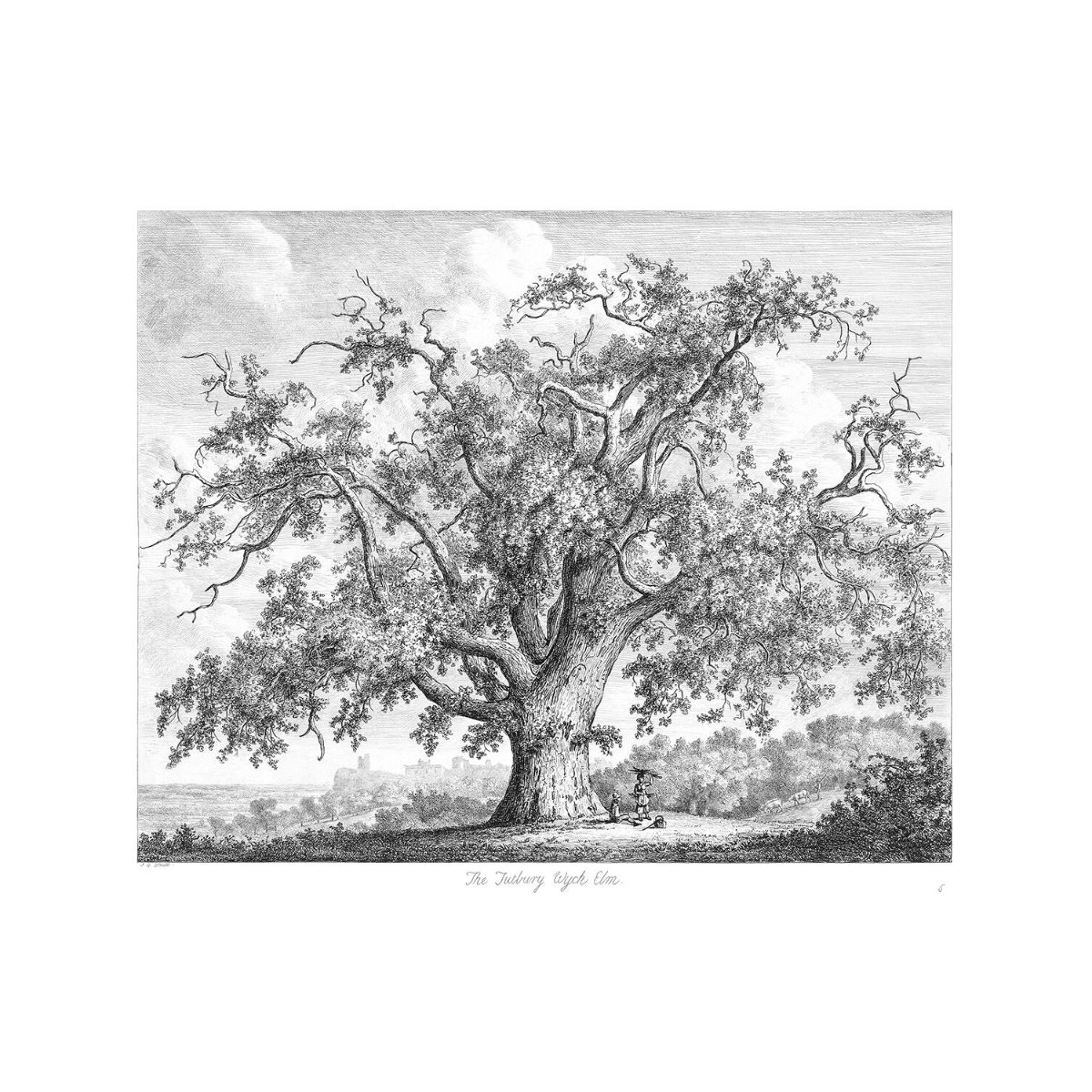
The Tutbury wych elm from Sylva Britannica (Henry G. Bohn, 1826) via oldbookillustrations.com | Jacob George Strutt