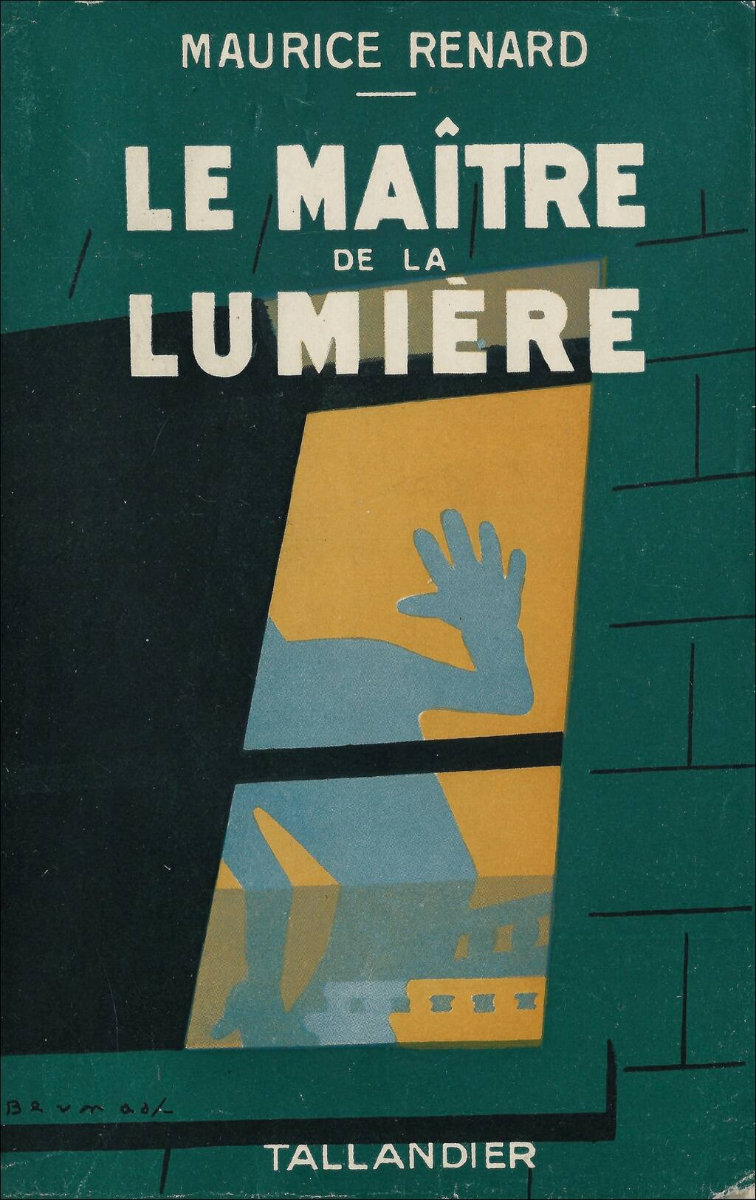
In Le Maître de la lumière (1933) by Maurice Renard, Charles Christiani meets Rita (Marguerite Ortofieri) during a journey to Oléron, and they form a mutual attachment that is immediately constrained by a long-standing vendetta between their families, linked to the 1835 murder of Charles’s ancestor, César Christiani. After withdrawing to the family estate at Silaz, Charles investigates reported disturbances and discovers a material, luminite, that produces visual images of past events, which he begins to study and use to reconstruct earlier scenes connected to the crime. He gathers documents, testimonies, and collaborators, organizing a systematic inquiry that combines historical research with direct observation of recorded past moments. As the investigation progresses, new figures, objects, and fragments of evidence emerge without immediately resolving the central question, while parallel developments intensify the situation as Rita faces pressure regarding her future and Charles works under increasing urgency. The narrative alternates between reconstruction of past events and present-day efforts to interpret them, maintaining uncertainty about the identity of the murderer and the true meaning of the evidence.
First Appearance Le Maître de la lumière (1933) by Maurice Renard
First Publisher Jules Tallandier
Appearance List Le Maître de la lumière by Maurice Renard (1933); Le Maître de la lumière (1948) — Published by Jules Tallandier in the series Les romans mystérieux, no. 35; The Master of Light (2010) — adapted/translated by Brian Stableford [Black Coat Press — read a chapter].
Description In Le Maître de la lumière (1933) by Maurice Renard, Charles Christiani meets Rita (Marguerite Ortofieri) during a journey to Oléron, and they form a mutual attachment that is immediately constrained by a long-standing vendetta between their families, linked to the 1835 murder of Charles’s ancestor, César Christiani. After withdrawing to the family estate at Silaz, Charles investigates reported disturbances and discovers a material, luminite, that produces visual images of past events, which he begins to study and use to reconstruct earlier scenes connected to the crime. He gathers documents, testimonies, and collaborators, organizing a systematic inquiry that combines historical research with direct observation of recorded past moments. As the investigation progresses, new figures, objects, and fragments of evidence emerge without immediately resolving the central question, while parallel developments intensify the situation as Rita faces pressure regarding her future and Charles works under increasing urgency. The narrative alternates between reconstruction of past events and present-day efforts to interpret them, maintaining uncertainty about the identity of the murderer and the true meaning of the evidence.
Source Eidolon Station
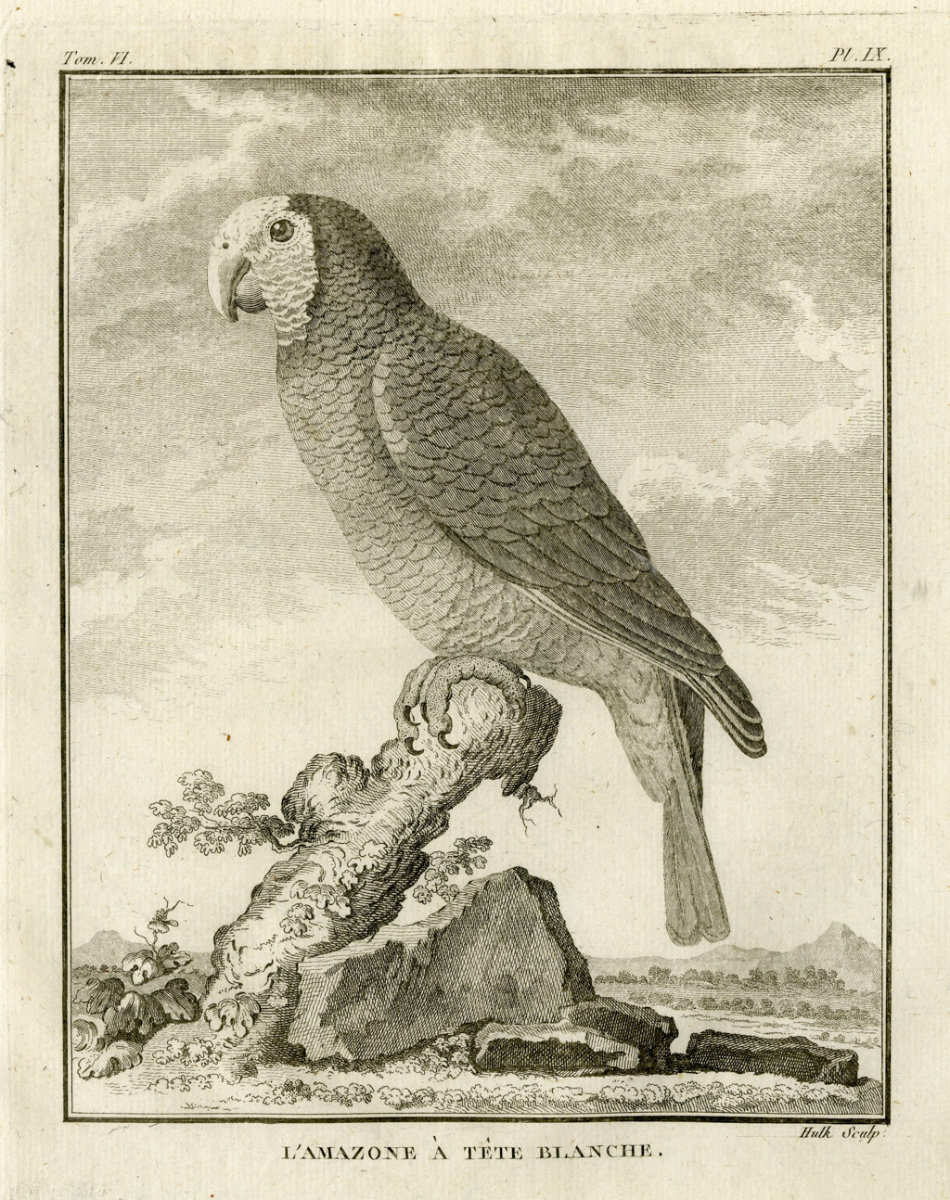
Histoire Naturelle series by Georges-Louis Leclerc, Comte de Buffon, Tom. VI: Volume 6, Pl. IX. pag. 212: Plate 9, page 212 | Drawn by De Seve; Engraved by Cath. Haussard

 ,
,