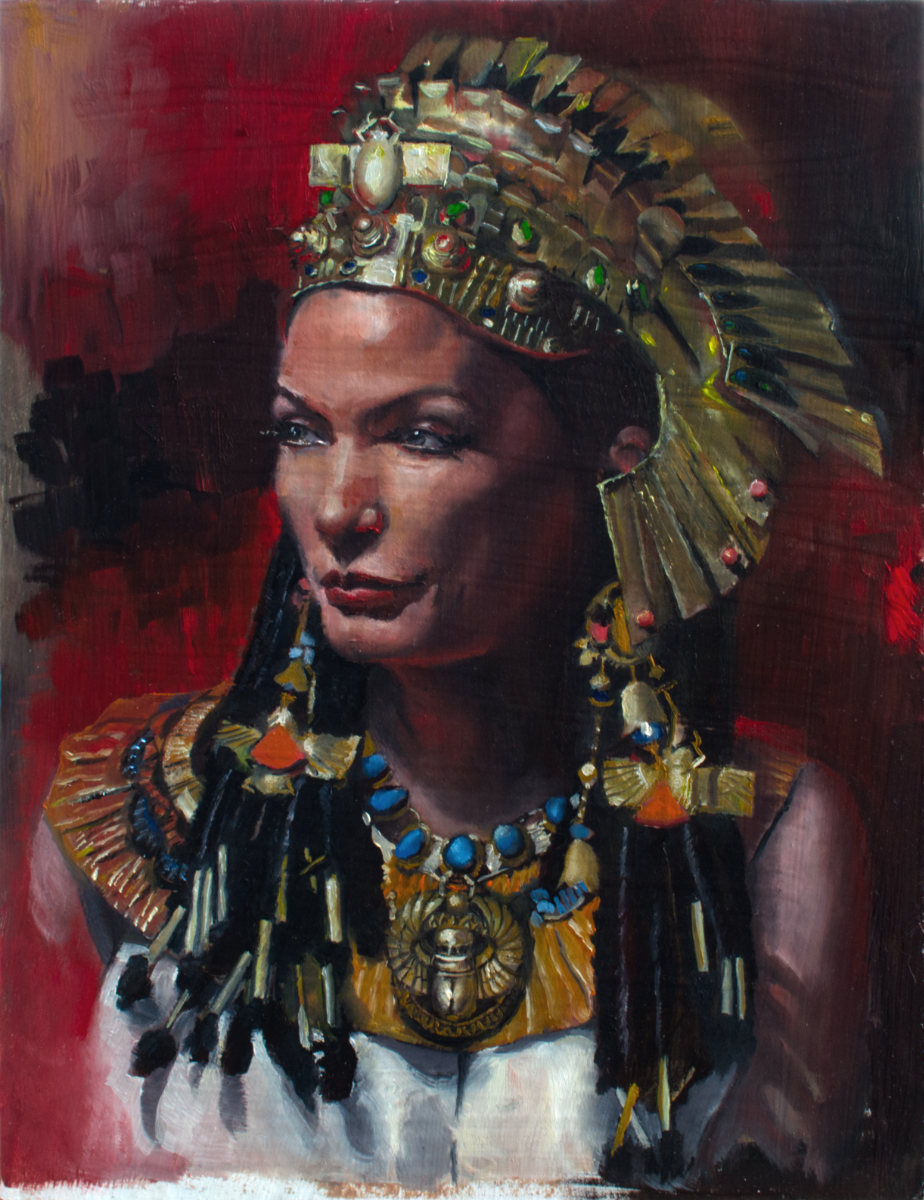
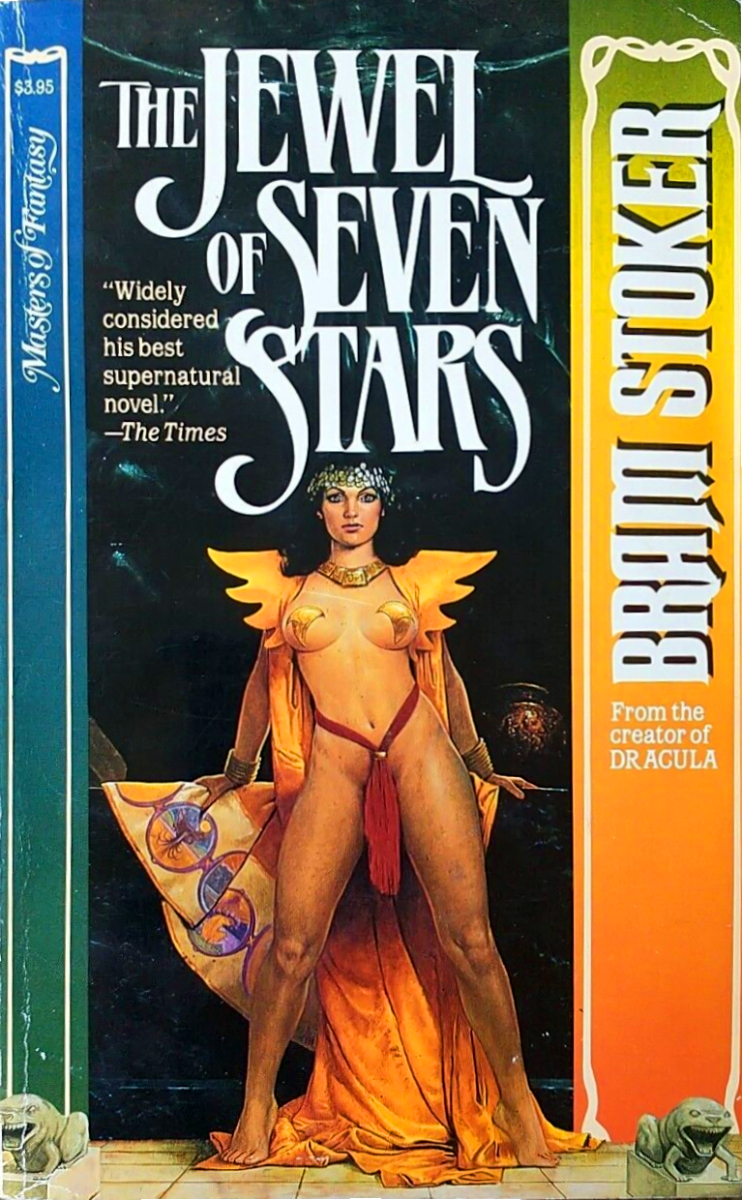
“This Stele was a great slab of lapis lazuli, cut all over with hieroglyphic figures of small size and of much beauty. The cutting was filled in with some cement of exceeding fineness, and of the color of pure vermilion. The inscription began: ‘Tera, Queen of the Egypts, daughter of Antef. Monarch of the North and the South.’ ‘Daughter of the Sun,’ ‘Queen of the Diadems.’ It then set out, in full record, the history of her life and reign. The signs of sovereignty were given with a truly feminine profusion of adornment. The united Crowns of Upper and Lower Egypt were, in especial, cut with exquisite precision. It was new to us both to find the Hejet and the Dasher — the White and the Red crowns of Upper and Lower Egypt — on the Stele of a queen; for it was a rule, without exception in the records, that in ancient Egypt either crown was worn only by a king; though they are to be found on goddesses.”
Alias Queen Tera
Real Names/Alt Names Queen Tera, Margaret Trelawney
Appearance List Later editions: 1912 (revised), 1920s–30s reprints, 1960s–70s paperback editions. Loose film adaptation: Blood from the Mummy’s Tomb (1971, Hammer Films).
Description “This Stele was a great slab of lapis lazuli, cut all over with hieroglyphic figures of small size and of much beauty. The cutting was filled in with some cement of exceeding fineness, and of the color of pure vermilion. The inscription began: ‘Tera, Queen of the Egypts, daughter of Antef. Monarch of the North and the South.’ ‘Daughter of the Sun,’ ‘Queen of the Diadems.’ It then set out, in full record, the history of her life and reign. The signs of sovereignty were given with a truly feminine profusion of adornment. The united Crowns of Upper and Lower Egypt were, in especial, cut with exquisite precision. It was new to us both to find the Hejet and the Dasher — the White and the Red crowns of Upper and Lower Egypt — on the Stele of a queen; for it was a rule, without exception in the records, that in ancient Egypt either crown was worn only by a king; though they are to be found on goddesses.”